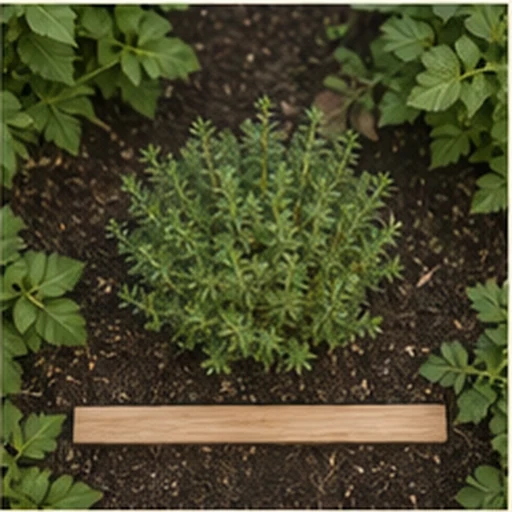
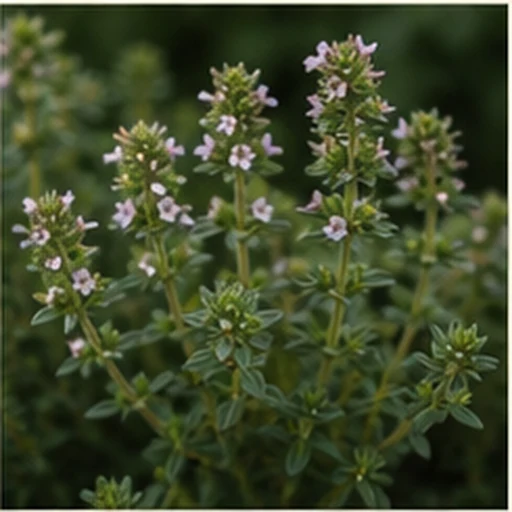
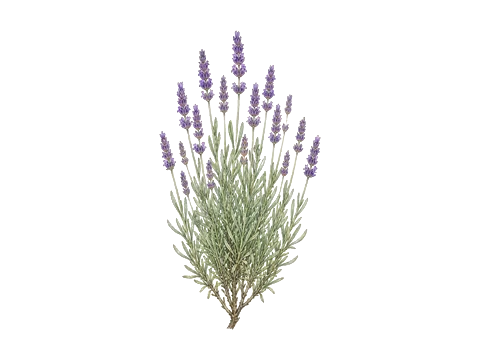
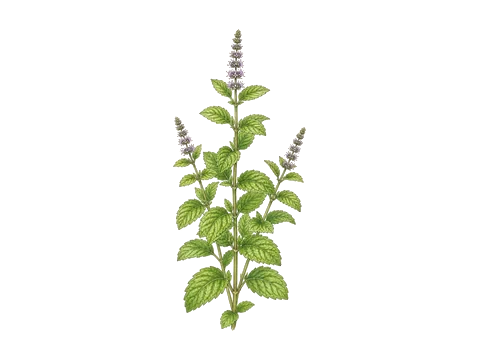
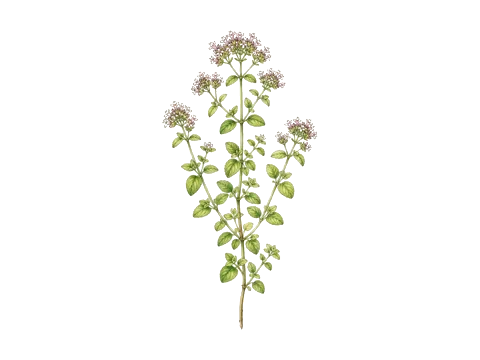
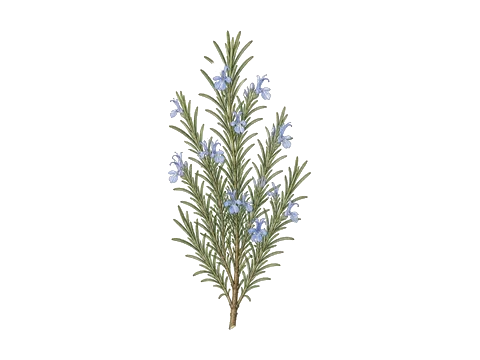
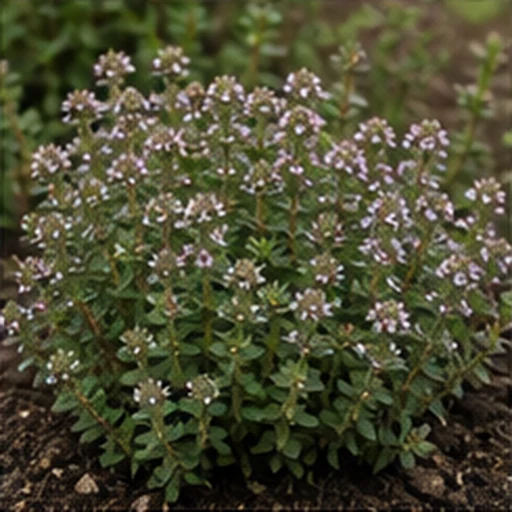
Entire healthy mature thyme plant in a real garden bed, showing growth habit and scale.Primary identification image. 15–30 cm tall, 30–45 cm wide at maturity.
1. Plant or cuttingStart from plants; seed is slow.
2. EstablishmentWater moderately the first season.
3. MatureLow mound 15–30 cm.
4. FloweringPink-purple flowers in early summer.
5. HarvestCut sprigs; trim after flowering.
Growth stages are ordered chronologically; timing varies with cultivar, temperature, light and care.
Planting calendar for Portland, Oregon
Start indoors 6–8 weeks before last frost; transplant from last frost to 3 weeks after; 70–90 days to maturity from planting. Windows are derived from the region's average frost dates (last Apr 5, first Nov 5) and are estimates until you confirm your own dates in the calendar.
Plant
JanFebMarAprMayJunJulAugSepOctNovDec
ThymeThymus vulgaris
Text version of the planting timeline
Plant
Start indoors
Direct sow
Autumn sow
Transplant
Tend
Harvest
Thyme
Feb 8–Feb 22 (estimate)
—
—
Apr 5–Apr 26 (estimate)
Apr 26–Jun 14 (estimate)
Jun 14–Feb 20 (estimate)
Start indoorsDirect sowTransplantTendHarvestStriped bars are regional estimates; solid bars are dates you confirmed.
Start seeds indoors: Feb 8 – Feb 22
Transplant outdoors: Apr 5 – Apr 26
Tend and monitor: Apr 26 – Jun 14
Harvest: Jun 14 – Feb 20
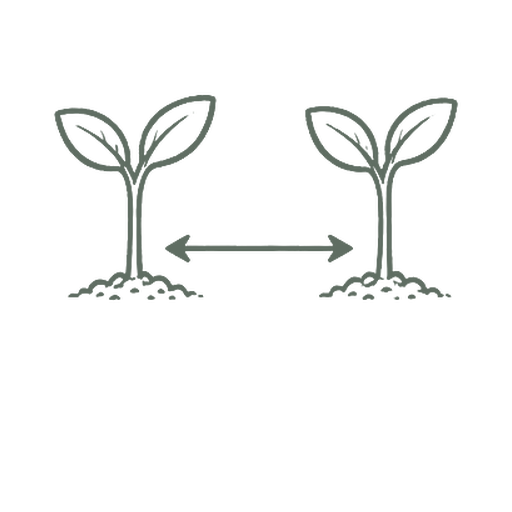
Spacing & support
In-row 25–30 cm; rows 30–30 cm. Planner footprint: 1 cell of 30 cm.
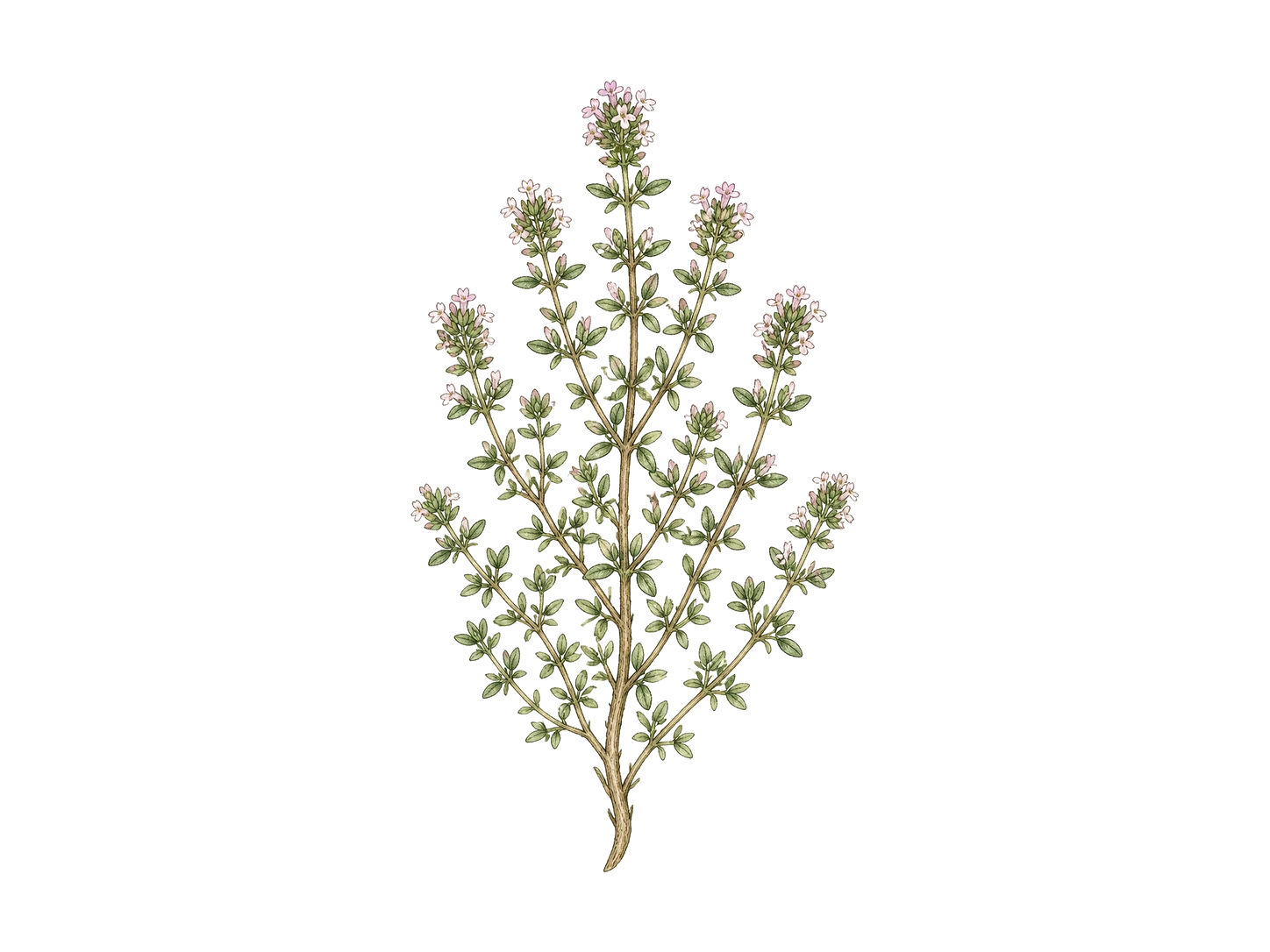
Side-profile diagram of mature thyme: canopy 15–30 cm tall, 30–45 cm wide, shallow root zone, support and harvest-access envelope.
Soil & water
Soil
Poor, gritty, sharply drained soil
pH
6–8
Fertility
low
Water
Drought-tolerant; water only when establishing.
Frost
hardy; tolerates frost
Support & training
No support structure needed.
Thyme mid-season before harvest, showing branching, vining, rosette or upright habit and space occupied.
Harvest signs
Sprigs any time
Best flavour just before flowering
Thyme at harvest readiness, showing the visual cues: sprigs any time; best flavour just before flowering.
Common problems
Pests: None common
Diseases: root rot in wet soil
Appearance alone is not a diagnosis; confirm with a regional extension guide.
Side-by-side: healthy thyme leaf or fruit and an example of root rot in wet soil.
Container growing
Minimum 3 L (15 cm deep)
Use quality potting mix and water more frequently
Mature thyme in a correctly sized container (3 L or more) with drainage visible.
Thyme is a small Mediterranean shrub that needs sun and drainage and very little else. Start from plants or cuttings; seed is slow. Trim after flowering to keep it compact, and replace plants every 4–5 years when they become woody.
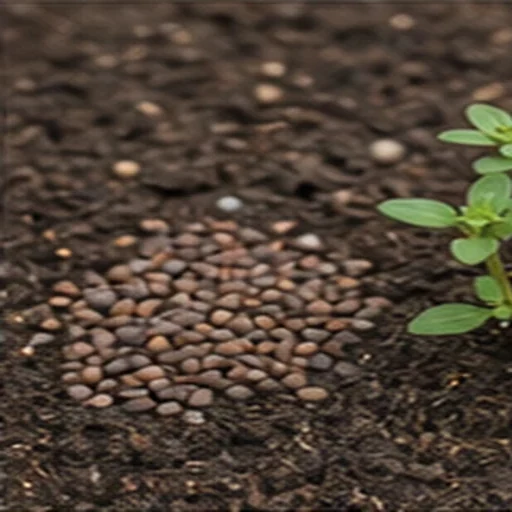
Thyme planting material (crown, set, clove, slip or tuber) beside a ruler or coin for scale.
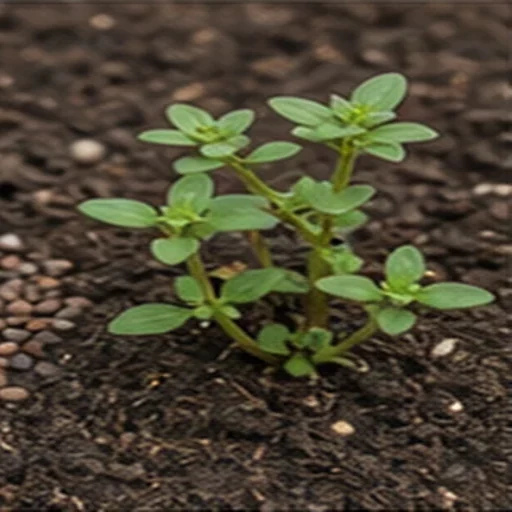
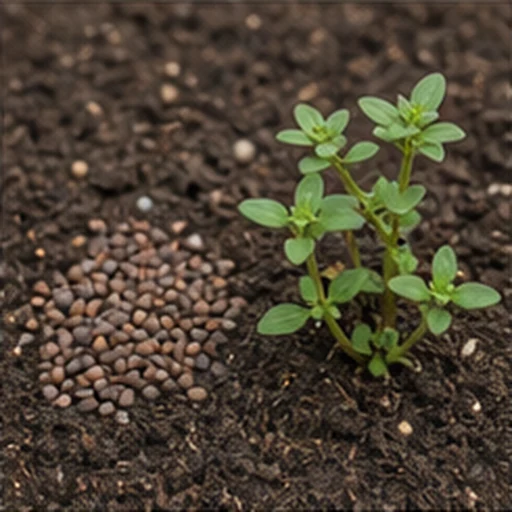
Thyme seedling at cotyledon and first-true-leaf stage, in soil, distinguishable from common weeds.
Thyme at transplant-ready stage with root ball visible beside the cell or pot.
Thyme suits the dry edge of a bed or a container with rosemary, sage and oregano; it will rot among heavily watered vegetables. Its flowers are strongly attractive to bees.
Two or more mature thyme plants with a tape measure showing in-row spacing (25–30 cm).
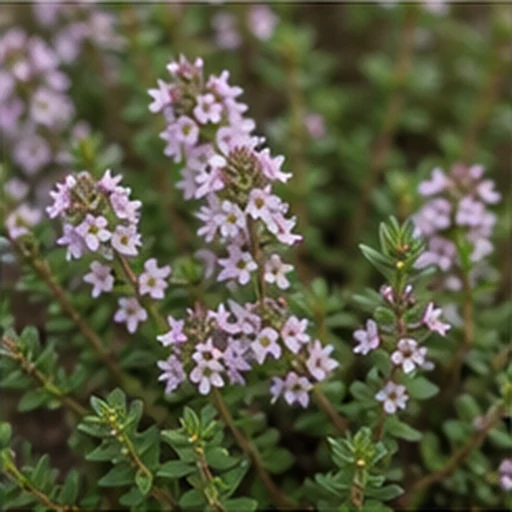
Thyme flower detail or bolting stage.
Immature leaves of thyme developing on the plant.
Edible parts and safety
Edible: leaves, flowers.
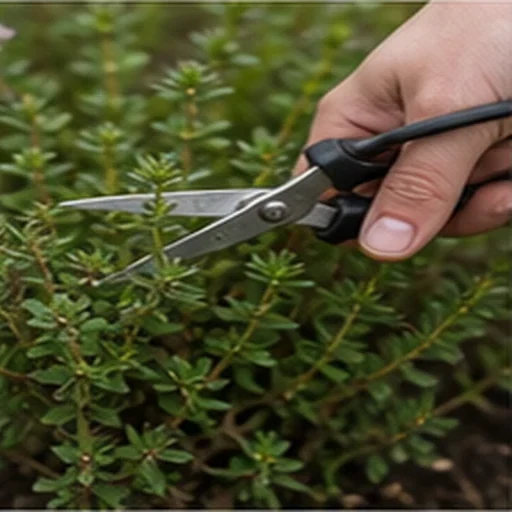
Hands or tool harvesting thyme correctly (cut, pull, twist or pick) without damaging the plant.
Pests and diseases
Common pests: none of note. Common diseases: root rot in wet soil. These vary by region; a photograph is an example, not a diagnosis. See the pest and disease guides and your local extension service.
Timeline
Season timeline for thyme: sowing, transplanting, flowering, harvest and bed occupancy aligned to frost dates.Text alternative: Start seeds indoors Feb 8–Feb 22; Transplant outdoors Apr 5–Apr 26; Tend and monitor Apr 26–Jun 14; Harvest Jun 14–Feb 20.
We synthesize peer-reviewed research, university extension publications, and trusted horticulture resources. Our evidence levels help you understand how strong the science is behind the guidance.
Evidence tiers
Supported evidenceConsistent results from multiple robust studies
Traditional claimHistorical use reported, limited scientific support
Context dependentMixed or variable results across conditions
No verified relationshipNo reliable evidence identified
 Spacing & support
 Soil & water
 Support & training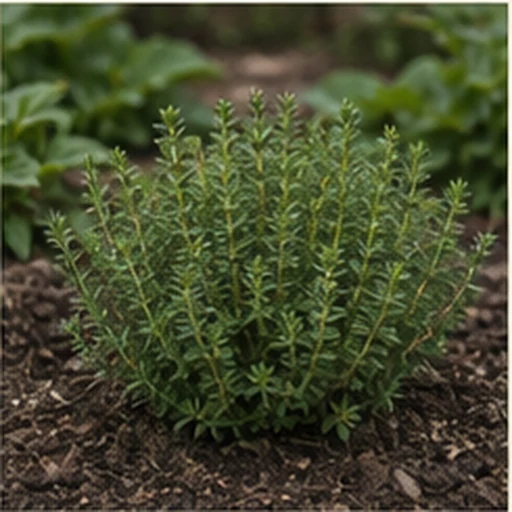
 Harvest signs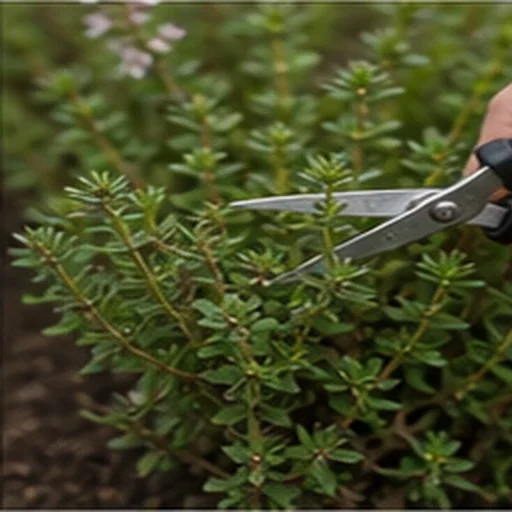
 Common problems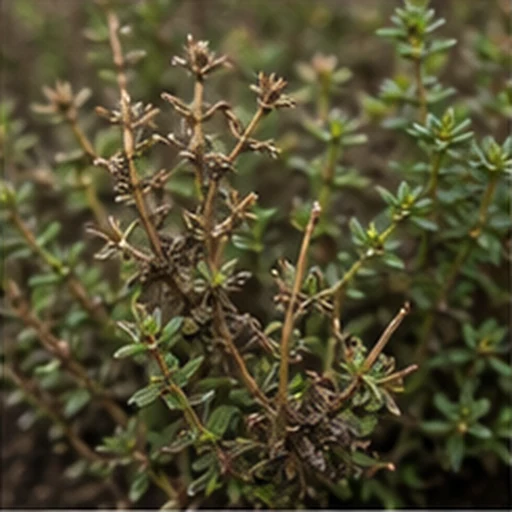
 Container growing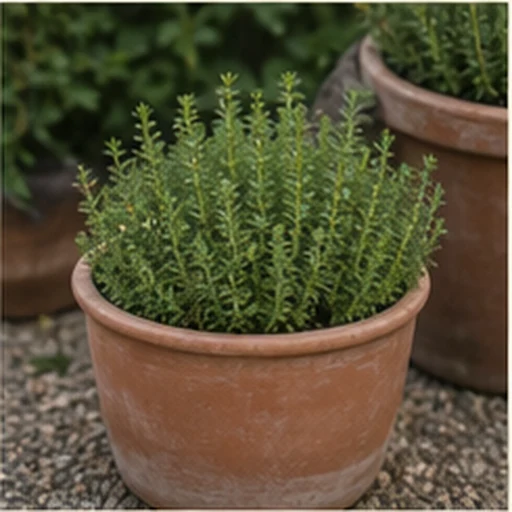
 Companion overview
 Crop rotation
 Sources, reviewer & update