

Know What to Plant, Where, and When
Search evidence-based guidance for plants, companions, and timing in your area.
Plan smarter beds and grow with confidence.
Browse Plants A–Z
View all plants
Featured Companion Comparison
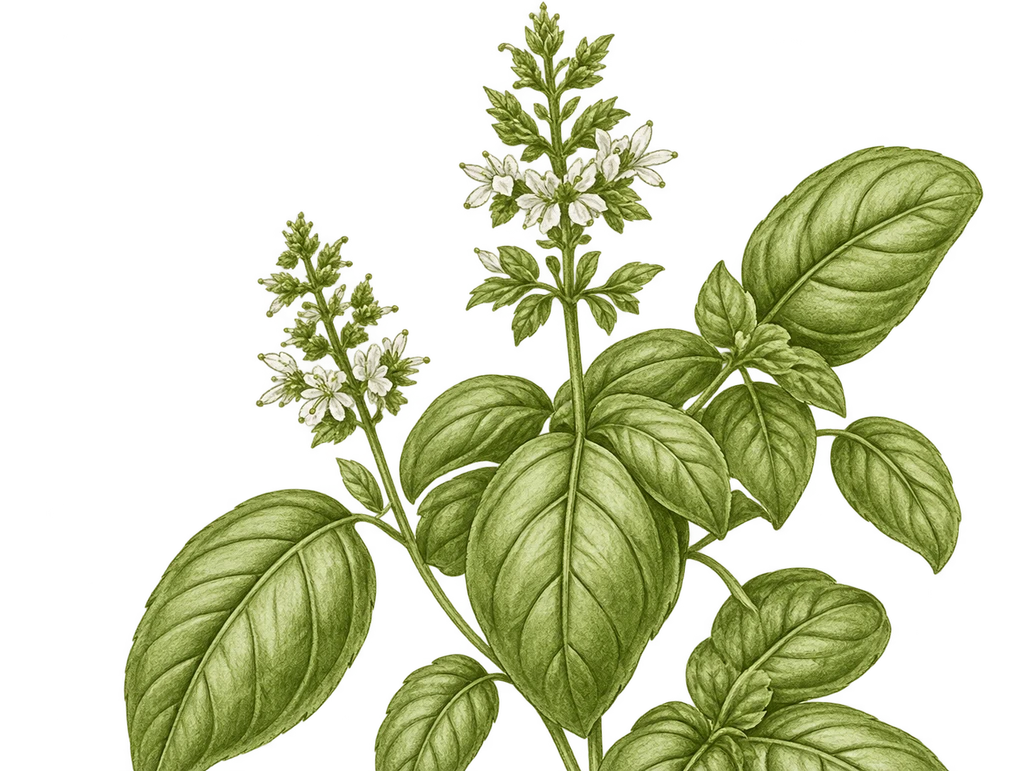
Tomatoes × Basil
Supported evidence
May improve flavor perception in some conditions.
Studies: 3
Context dependent
Pest deterrence reported anecdotally; results vary.
Studies: 5
Traditional claim
Enhances growth and yield. Not consistently supported.
Studies: 1
No verified relationship
No reliable evidence found for disease prevention.
Studies: 0
Planting calendar preview
Portland, Oregon (regional estimate)
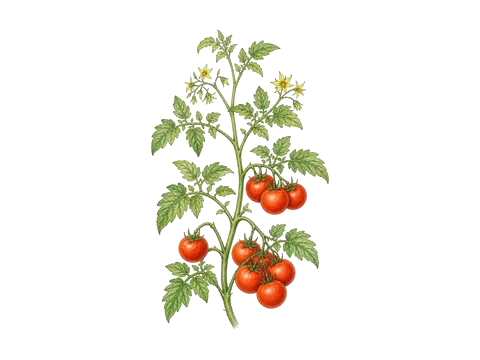 TomatoSolanum lycopersicum
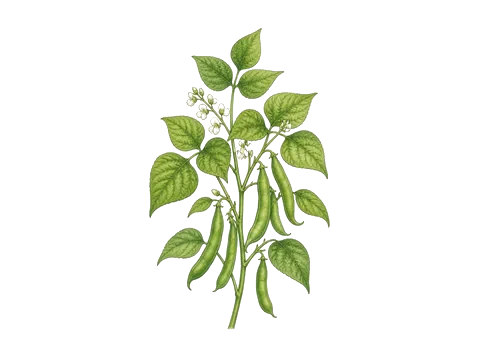 Bush beansPhaseolus vulgaris
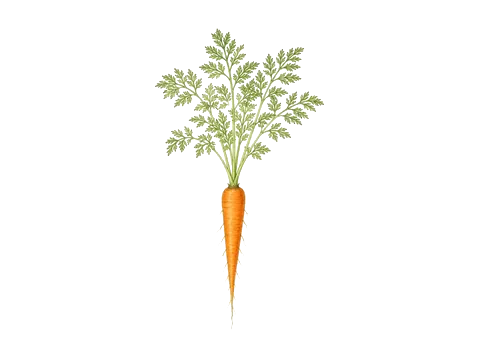 CarrotDaucus carota subsp. sativus
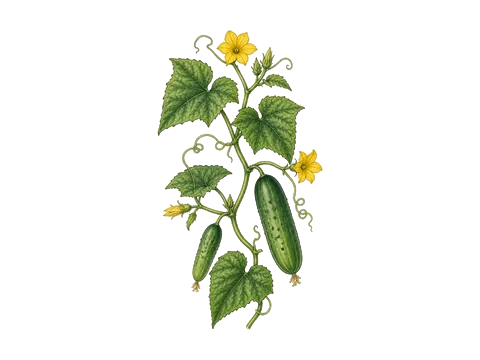 CucumberCucumis sativus
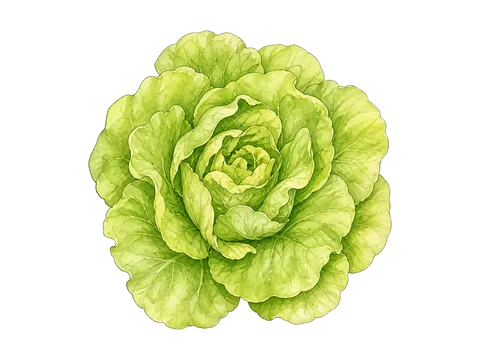 LettuceLactuca sativa
| Plant | Start indoors | Direct sow | Autumn sow | Transplant | Tend | Harvest |
|---|---|---|---|---|---|---|
| Tomato | Feb 8–Feb 22 (estimate) | — | — | Apr 12–Apr 26 (estimate) | Apr 26–Jun 11 (estimate) | Jun 11–Nov 5 (estimate) |
| Bush beans | — | Apr 12–May 31 (estimate); May 31–Sep 2 (estimate) | — | — | — | Jun 1–Nov 5 (estimate) |
| Carrot | — | Mar 15–May 17 (estimate); May 17–Aug 23 (estimate) | Aug 13–Aug 27 (estimate) | — | — | May 14–Dec 23 (estimate) |
| Cucumber | Mar 8–Mar 15 (estimate) | Apr 12–May 3 (estimate) | — | Apr 12–Apr 26 (estimate) | May 3–Jun 1 (estimate) | Jun 1–Aug 23 (estimate) |
| Lettuce | Feb 22–Mar 8 (estimate) | Mar 8–May 3 (estimate); May 3–Sep 22 (estimate) | Aug 27–Sep 24 (estimate) | Mar 22–Apr 19 (estimate) | — | Apr 7–Dec 12 (estimate) |
Your bed plan preview
A 4 ft × 4 ft worked example
Why is basil beside the tomatoes? Basil occupies the lower canopy at moderate density; a field trial found the mixture used land more efficiently than either crop alone. Evidence is conditional (Tier B) and says nothing about flavour or pests.
Edit this planRecently reviewed evidence
- Companion planting with French marigolds protects tomato plants from glasshouse whiteflies through the emission of airborne limonenePLOS ONE, 2019 · greenhouse
 Cabbage intercropping synthesisAgriculture, Ecosystems & Environment, 2023 · synthesis
 Using marigold (Tagetes spp.) as a cover crop to protect crops from plant-parasitic nematodesApplied Soil Ecology, 2010 · synthesis
Two ways in
Plan a garden. Describe a bed or container, pick crops, and get three feasible layouts with a reason for every placement and every warning.
Research a pairing. Look up any supported plant and see supported, conditional, traditional, avoid and unknown relationships, each with its source, context and limits.
What "evidence-aware" means
- Every relationship has a direction: one plant may affect another without the reverse being established.
- Every claim carries a status and an evidence tier, a named mechanism, its context, its source and its limits.
- "No verified relationship" is shown as an unknown, never as safe or neutral.
- Crop rotation is calculated between seasons, separately from live companions.
- Spacing, light, water and timing always outrank a weak companion claim.
Trust, inspectable
33 sources, 119 reviewed relationship records covering 63 plants. Reviewer status: editorial team, pending independent horticultural review. Last substantive update August 24, 2026.