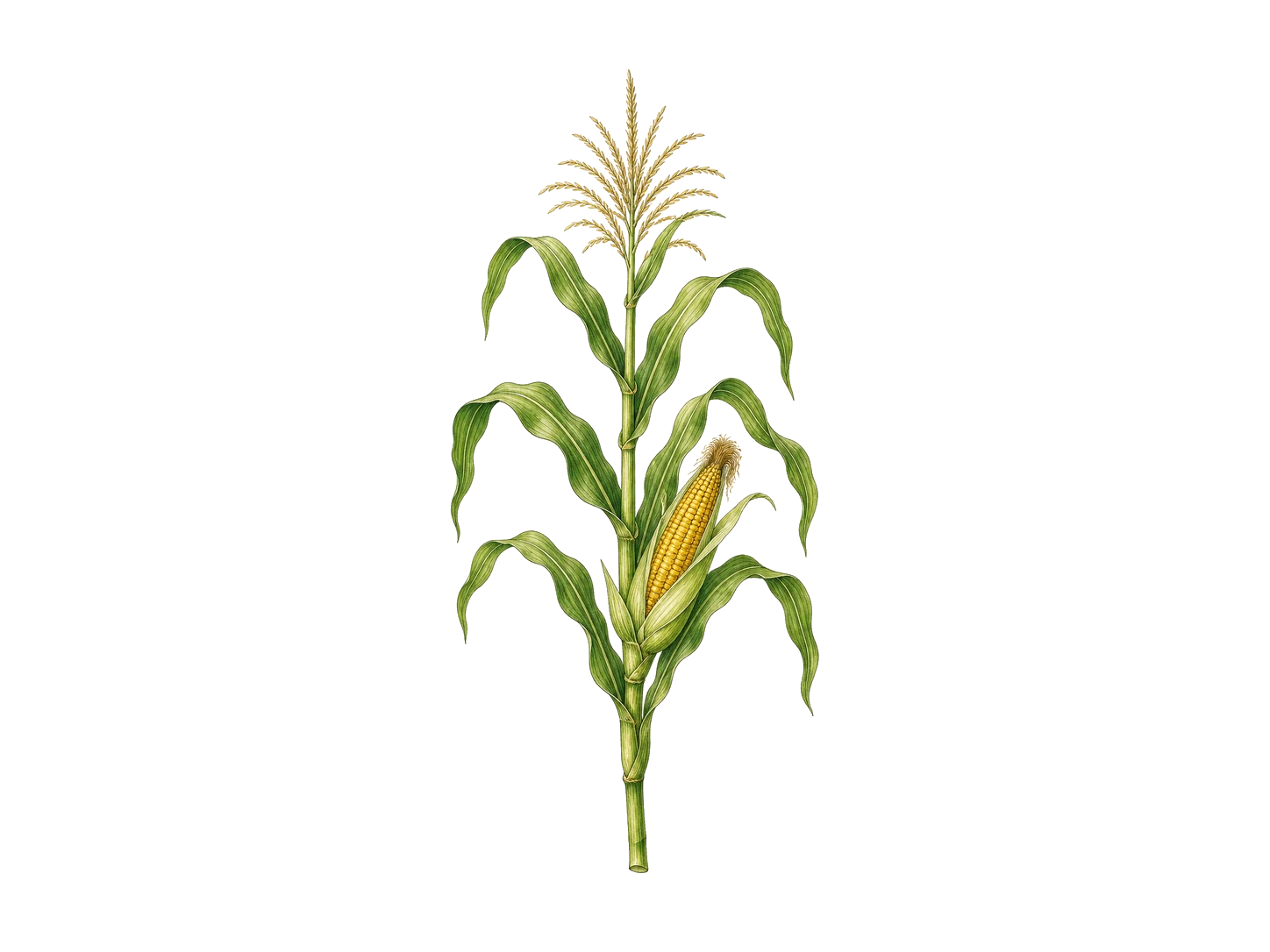
Corn plant

Corn growing profile.

Corn Companion Plants

What may help, what can compete, and where the evidence is still uncertain.

Corn Zea mays

Warm-season vegetable in the grass family. View plant profile →

Quick answer

Evidence supports or conditionally supports growing corn with Pole beans, Winter squash, Lettuce. Keep it apart from Tomato because of shares a pest. 2 popular pairings have no verified relationship, which is not the same as safe or harmful.

Every status below has a direction, mechanism, context and source. "No verified relationship" means we looked and found nothing usable; the planner then evaluates spacing, light, water and timing normally. How we classify evidence →

7 records

Supported benefit (2)

Positive score when the plan matches the documented conditions.
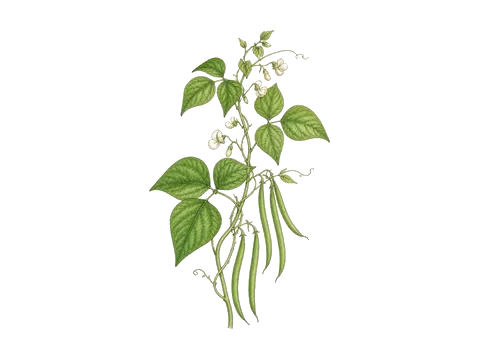
Pole beansPhaseolus vulgaris / P. coccineusSupportedPhysical support Corn may affect Pole beansSummer · mixed · Beans sown at the base of corn plants,…Tier B Review: August 15, 2026
Why?

Claim. Corn stalks provide physical support for climbing beans; in measured Three Sisters plots the polyculture produced more food energy and protein per area than the same crops grown separately.

Mechanism. Beans climb the corn stalk, replacing a trellis; the crops differ in height and rooting and share space efficiently.

Studied in. Field plots in New York State comparing the Three Sisters with monocultures. (field)

Conditions. Sow beans 2–3 weeks after corn, when corn is about 30 cm tall. Beans sown at the base of corn plants, 2–3 beans per stalk, in blocks. Corn must be established before beans climb it.

Management. Use a sturdy, tall corn cultivar; Limit beans per stalk so they do not pull corn down; Plant corn in blocks for pollination.

Applies when. Works in a home bed large enough for a corn block (at least 1.2 × 1.2 m).

Limitations. Individual crop yields were lower than monocultures; the gain is per area, not per plant. Sweet corn is weaker-stalked than the flour corns used historically.

Evidence. Tier B: One or more relevant controlled field studies or an authoritative synthesis tied to the crop, effect and arrangement. (field trial).

Sources. Mt. Pleasant 2016; University of Minnesota Extension 2023

Reviewed August 15, 2026 by Garden Planner editorial team (pending independent horticultural review). Record corn--pole-beans--physical_support v1. Request a correction.
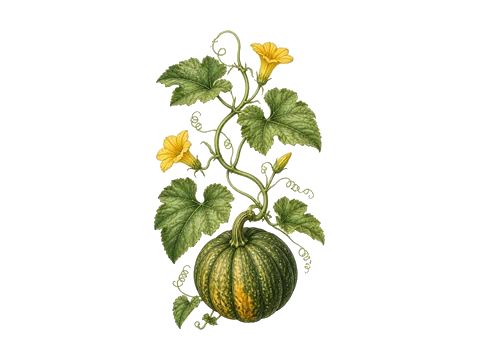
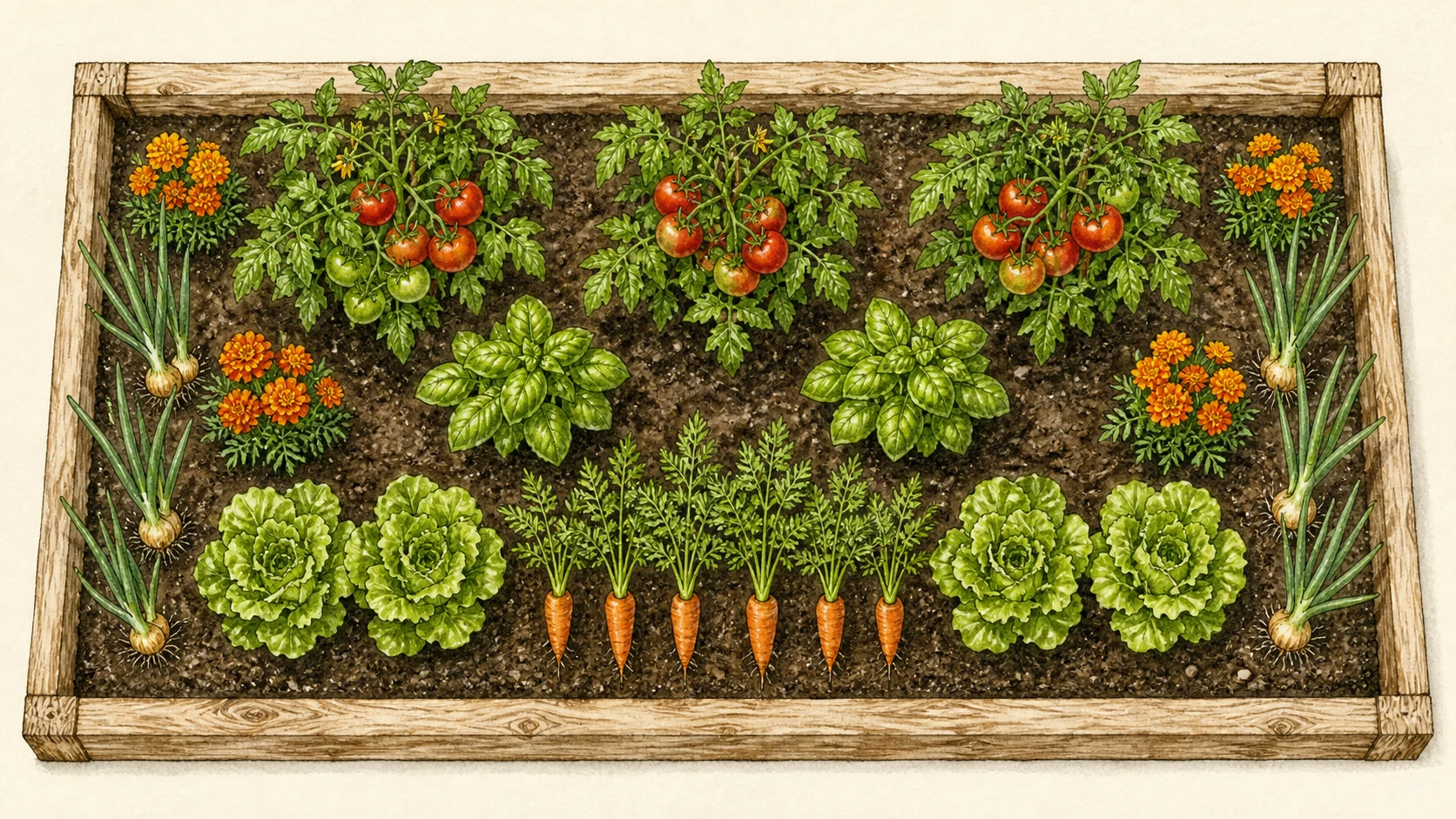
Winter squashCucurbita maxima / C. moschata / C. pepoSupportedSpace and shade complement Corn and Winter squash affect each other (mutual)Summer · mixed · Squash hills between corn blocks, 1–1.…Tier B Review: August 15, 2026
Why?

Claim. Squash vines spread beneath corn and beans, shading the soil and suppressing weeds, while corn grows above; the measured Three Sisters polyculture out-yielded the separate crops per area.

Mechanism. Complementary canopies: tall corn, ground-level squash; squash leaves reduce weed growth and soil evaporation.

Studied in. Field plots, New York State. (field)

Conditions. Sow squash 1–2 weeks after corn. Squash hills between corn blocks, 1–1.5 m apart. Both plants must be present at the same time.

Management. Give squash room at the edge of the corn block; Expect harvest access to be awkward.

Applies when. Suits gardens with a corn block and space for vines to run.

Limitations. Harvesting corn among squash vines is awkward; squash yields per plant are lower than in the open.

Evidence. Tier B: One or more relevant controlled field studies or an authoritative synthesis tied to the crop, effect and arrangement. (field trial).

Sources. Mt. Pleasant 2016

Reviewed August 15, 2026 by Garden Planner editorial team (pending independent horticultural review). Record winter-squash--corn--spatial_complement v1. Request a correction.

Top-down measured arrangement of corn with pole beans as documented (mixed; Beans sown at the base of corn plants, 2–3 beans per stalk, in blocks.).
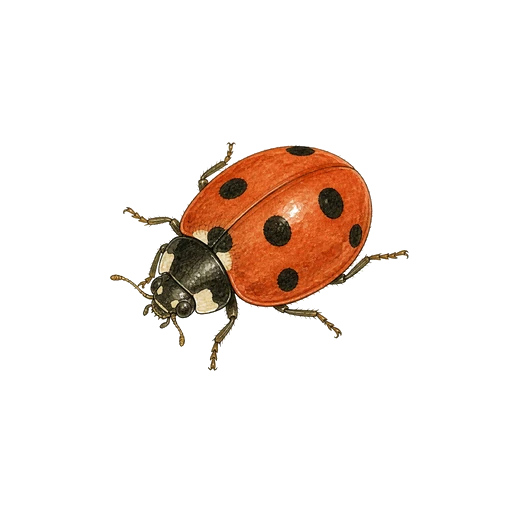
The named beneficial insect, pest or physical mechanism behind the most relevant claim for corn.

Conditional benefit (2)

Positive only when the stated conditions match; otherwise informational.
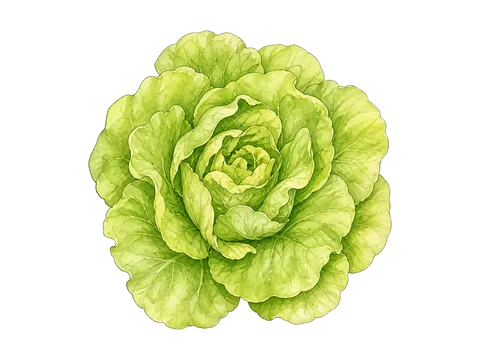
LettuceLactuca sativaConditionalShade or shelter Corn may affect LettuceSpring–Fall · adjacent · Lettuce along the shaded side of the c…Tier C Review: August 15, 2026
Why?

Claim. Corn casts deep shade to its north (in the northern hemisphere), which can keep summer lettuce cooler; in cool climates the same shade is a disadvantage.

Mechanism. Shade reduces heat stress and bolting.

Conditions. Plant lettuce once corn is knee-high. Lettuce along the shaded side of the corn block. Summer heat period.

Management. Extra water; corn is a heavy drinker.

Applies when. Hot summers.

Limitations. Not a benefit in cool or cloudy climates.

Evidence. Tier C: Indirect evidence: greenhouse or pot work, a related crop or species, or credible extension guidance with important uncertainty. (extension synthesis).

Sources. Cornell University 2024; Brooker 2015

Reviewed August 15, 2026 by Garden Planner editorial team (pending independent horticultural review). Record corn--lettuce--shade_or_shelter v1. Request a correction.

Pole beansPhaseolus vulgaris / P. coccineusConditionalNutrient effect Pole beans may affect CornSummer · mixedTier B Review: August 15, 2026
Why?

Claim. Beans fix nitrogen, but reviews show only a small, variable share reaches neighbouring corn during the season; most benefit comes after bean residues decompose, that is, to the following crop.

Mechanism. Rhizobial nitrogen fixation; transfer to neighbours through root exudates and decomposition.

Studied in. Review of legume nitrogen-transfer studies; Three Sisters plots. (field)

Conditions. Benefit accrues mainly to the crop planted after the beans. In-season benefit is small; do not rely on it.

Management. Leave bean roots and residues in the bed.

Applies when. Plan corn fertility as if the beans were not there; treat extra nitrogen as a bonus for next season.

Limitations. Transfer during the season is typically under 10–15% of fixed nitrogen.

Evidence. Tier B: One or more relevant controlled field studies or an authoritative synthesis tied to the crop, effect and arrangement. (meta analysis).

Sources. Thilakarathna 2016; Mt. Pleasant 2016

Reviewed August 15, 2026 by Garden Planner editorial team (pending independent horticultural review). Record pole-beans--corn--nutrient_transfer v1. Request a correction.

Avoid or separate (1)

Hard constraint only for serious, applicable conflicts; otherwise a weighted warning.

Avoid records need credible negative evidence or a clear cultural incompatibility. Hard constraints are marked in the Why? panel; the rest are weighted warnings with a remedy.

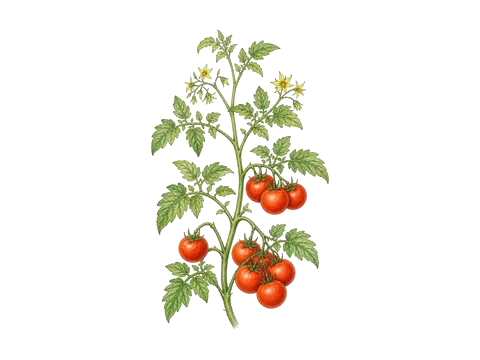
TomatoSolanum lycopersicumAvoidShares a pest · corn earworm / tomato fruitworm (Helicoverpa zea) Corn and Tomato affect each other (mutual)Summer · adjacent · Different beds or opposite ends of the…Tier B Review: August 15, 2026
Why?

Claim. Corn earworm and tomato fruitworm are the same moth. Moths emerging from corn move readily to adjacent tomatoes, so extension guidance advises separating the two crops.

Mechanism. Shared pest moving between hosts; corn silks and tomato fruit are both egg-laying sites.

Studied in. Pest biology from IPM programmes. (home garden)

Conditions. Planted together Different beds or opposite ends of the garden. Risk from corn silking until tomato harvest ends.

Management. Monitor tomatoes for entry holes when corn is silking.

Applies when. A weighted warning, not a block: the moth flies well, so separation reduces but does not remove the risk.

Limitations. Where earworm is rare (cool maritime climates) the concern is minor.

Evidence. Tier B: One or more relevant controlled field studies or an authoritative synthesis tied to the crop, effect and arrangement. (extension synthesis).

Sources. University of California Statewide Integrated Pest Management Program 2025; University of Minnesota Extension 2023

Reviewed August 15, 2026 by Garden Planner editorial team (pending independent horticultural review). Record corn--tomato--shared_pest v1. Request a correction.

No verified relationship (2)

Zero score and an honest unknown state. Spacing, light, water and timing are evaluated normally.

No verified relationship: we did not find a source that establishes a benefit or harm for these pairs. This is not the same as "compatible".

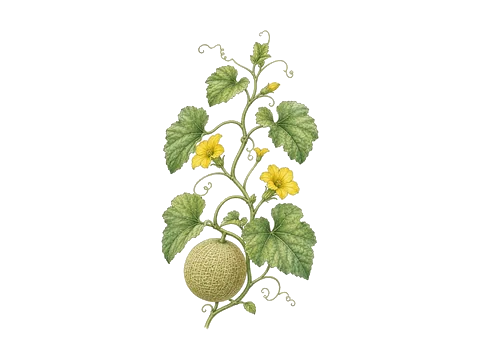
MelonCucumis meloNo verified relationshipOther Corn and Melon affect each other (mutual)Summer · arrangement unspecifiedUnknown Review: August 15, 2026
Why?

Claim. We did not find a source that establishes a benefit or harm between melon and corn.

Mechanism. None documented.

Conditions. Planted together Both plants must be present at the same time.

Applies when. The planner evaluates spacing, light, water and timing normally.

Limitations. Sometimes grown together for shade; no evidence found.

Evidence. Unknown: No source meeting the inclusion rules. (none).

Sources. University of Minnesota Extension 2023

Reviewed August 15, 2026 by Garden Planner editorial team (pending independent horticultural review). Record melon--corn--other v1. Request a correction.

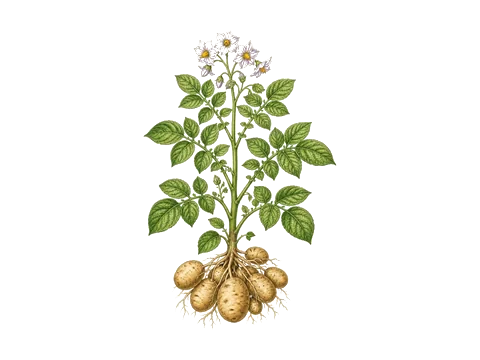
PotatoSolanum tuberosumNo verified relationshipOther Corn and Potato affect each other (mutual)Spring–Fall · arrangement unspecifiedUnknown Review: August 15, 2026
Why?

Claim. We did not find a source that establishes a benefit or harm between potato and corn.

Mechanism. None documented.

Conditions. Planted together Both plants must be present at the same time.

Applies when. The planner evaluates spacing, light, water and timing normally.

Limitations. No relationship documented; both are heavy feeders.

Evidence. Unknown: No source meeting the inclusion rules. (none).

Sources. University of Minnesota Extension 2023

Reviewed August 15, 2026 by Garden Planner editorial team (pending independent horticultural review). Record potato--corn--other v1. Request a correction.

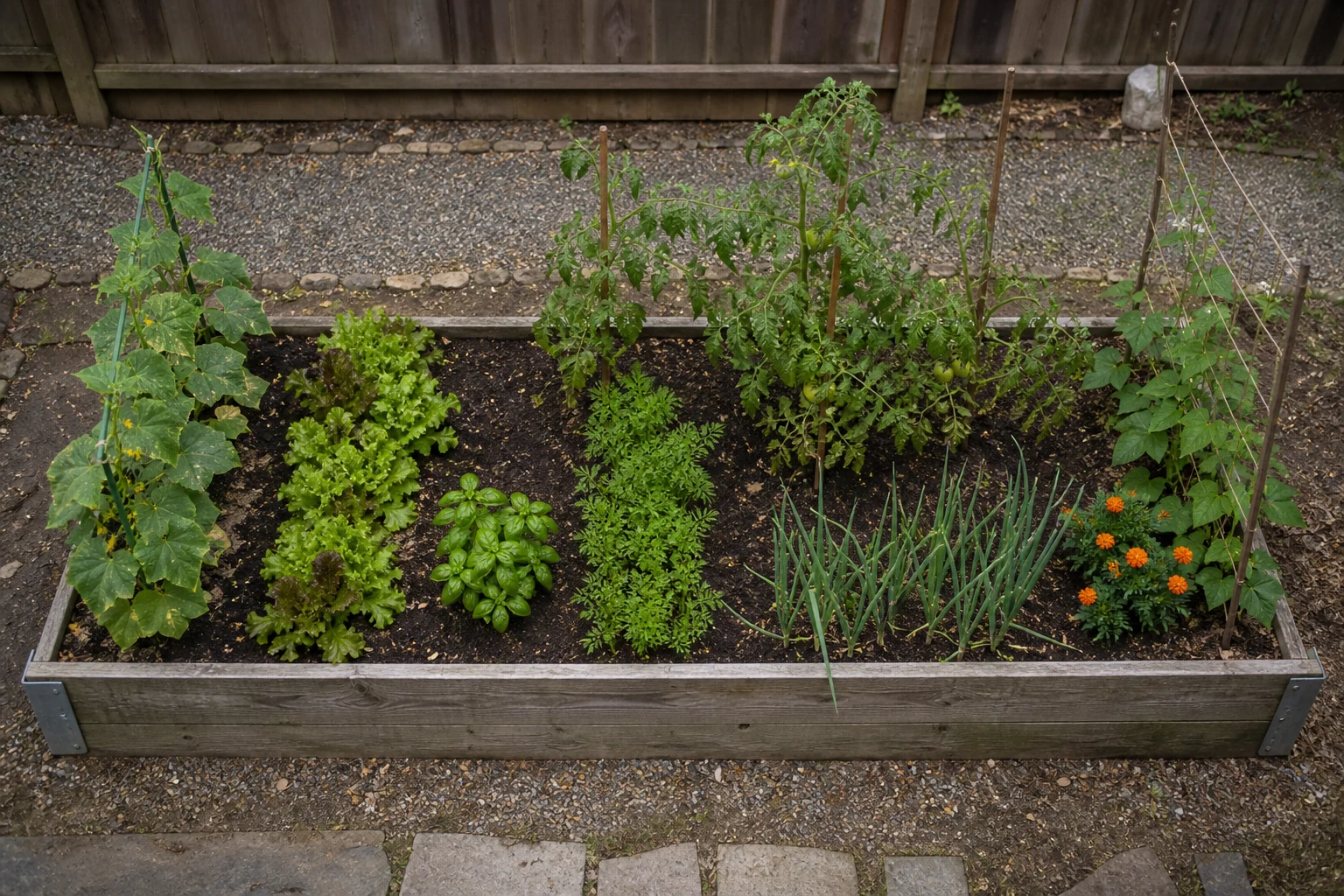
Example layout for corn

Documented arrangement with Pole beans: mixed. Beans sown at the base of corn plants, 2–3 beans per stalk, in blocks. Sow beans 2–3 weeks after corn, when corn is about 30 cm tall.

Corn (large) · Pole beans (small) · mixed

Worked example based on the record, not a photograph of a trial.

Side view of corn (150–250 cm) beside typical companions, showing canopy, support, shade and access.

When these companions overlap

Bed occupancy in Portland, Oregon (estimates). A relationship only matters while both plants are present.

Corn
Pole beans19 wk overlap
Winter squash19 wk overlap
Lettuce19 wk overlap
Tomato19 wk overlap
Melon18 wk overlap
Potato19 wk overlap
Overlap in weeks
Pole beans19 weeks
Winter squash19 weeks
Lettuce19 weeks
Tomato19 weeks
Melon18 weeks
Potato19 weeks

Crop rotation guidance

Rotation is about what occupied the bed in previous seasons and is calculated separately from the live companion relationships above.

Rotate corn on a 2-year cycle with other grass family crops (). Shared risks: corn earworm (also tomato fruitworm), corn smut, raccoons and birds.

Crop rotation hub · Poaceae family page

Physical and resource fit

  • Melon: Corn would shade Melon.

Fit checks come from plant attributes and apply even when a pairing has a positive claim.

Community observations (anecdotal)

These reports come from gardeners and are not reviewed evidence. Results vary with soil, climate and practice. Community data never changes an evidence tier or a planner score.

Reports for corn: 0 (community submissions open in a later phase; drafts are stored only on your device).

Community-submitted photo area (moderated) with context fields: region, season, layout, varieties, outcome.
Record an observation

Evidence summary and sources

Reviewer: Garden Planner editorial team (pending independent horticultural review). Status counts on the Companions A–Z page are derived from these records. Corrections.

Related

Visual evidence on this page

Documentary and illustrated views distinguish identification, measured layout, seasonal overlap, mechanisms, coexistence examples, and community observations. Captions state what each visual can and cannot establish.

Our Methodology & Sources

We synthesize peer-reviewed research, university extension publications, and trusted horticulture resources. Our evidence levels help you understand how strong the science is behind the guidance.

Evidence tiers

Supported evidenceConsistent results from multiple robust studies
Traditional claimHistorical use reported, limited scientific support
Context dependentMixed or variable results across conditions
No verified relationshipNo reliable evidence identified

Primary source types

  • Peer-reviewed journal articles
  • University extension publications
  • Government & research institute reports
  • Systematic reviews & meta-analyses

Last updated

August 24, 2026

Learn more about our approach