Trap Crops Explained
6 min read · Reviewed August 15, 2026 · Garden Planner editorial team (pending independent horticultural review)
Definition
A trap crop is a plant the pest prefers, positioned and timed so that the pest concentrates on it instead of the crop you want to protect, and then managed so the pest does not simply multiply there.
The five requirements
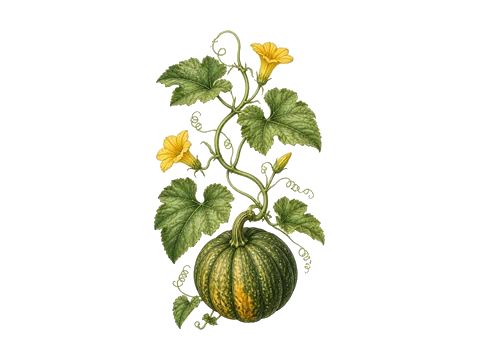
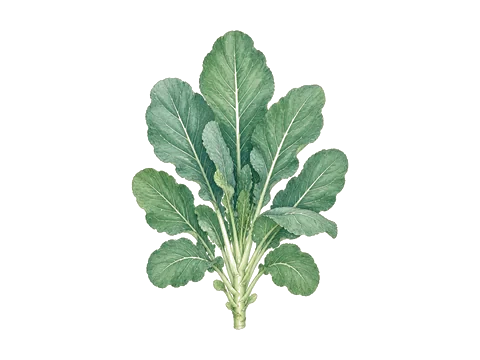
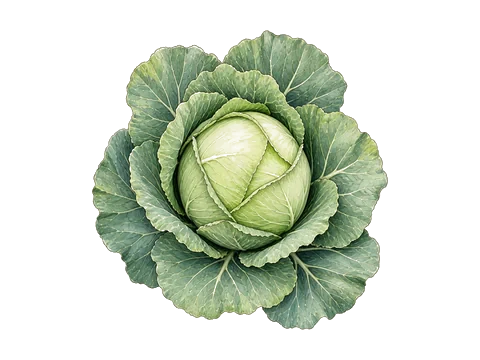
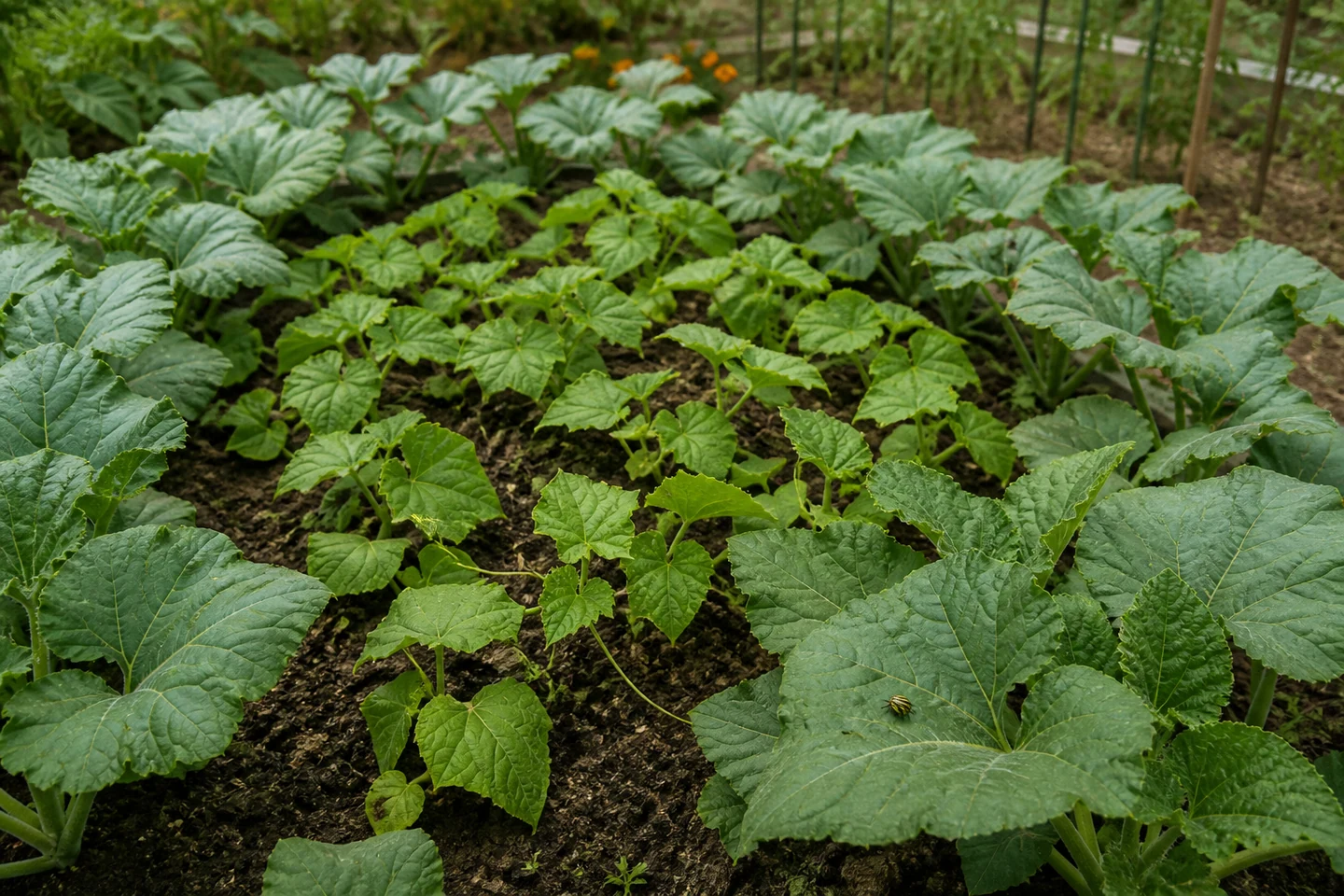
- Preference. The pest must choose the trap over the crop. Striped cucumber beetles strongly prefer Blue Hubbard squash; diamondback moths lay more eggs on collards than on cabbage.
- Timing. The trap must be larger and more attractive when the pest arrives, so plant it one to two weeks earlier.
- Position. Pests arrive from an edge; a perimeter or the upwind edge intercepts them. A trap plant in the middle of the bed is just another host.
- Monitoring. Check the trap plants weekly; that is the point of concentrating the pest.
- Destruction. Remove, crush, vacuum, cover or treat the pests on the trap crop. In the butternut trials, insecticide use fell because only the perimeter was sprayed.
Documented cases
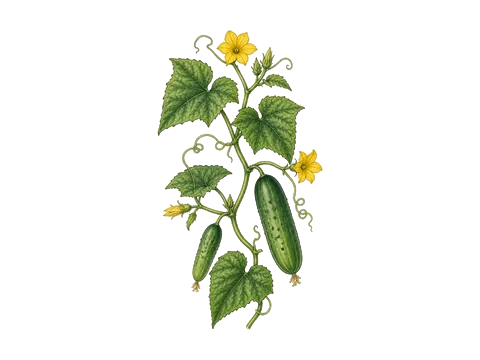
- Blue Hubbard perimeter for cucumber beetles around butternut squash (Massachusetts and Connecticut on-farm trials). Plausibly transferable to cucumbers and summer squash, which is why those records are conditional, Tier C.
- Collards around cabbage for diamondback moth (Florida field trials).
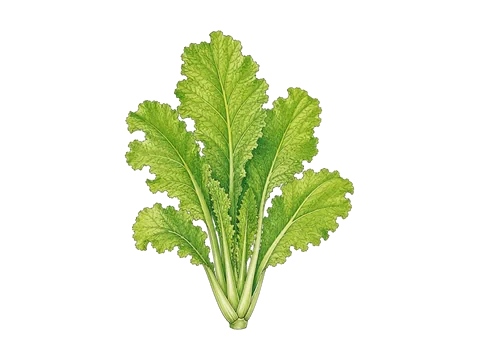
- Mustard for brassica pests on farms, from practitioner guidance.
Popular claims without a trial
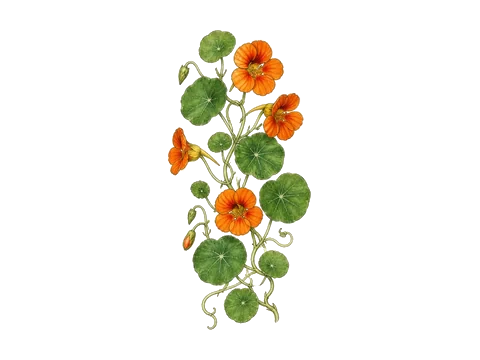
Nasturtiums attract black bean aphid and cabbage white caterpillars reliably. Nobody has shown that the neighbouring beans or cabbage benefit, and an untended nasturtium covered in aphids is a breeding colony. The catalog lists these as traditional claims. If you try one, treat it like the documented systems: plant early, at the edge, check it weekly, and remove what you find.
In the planner
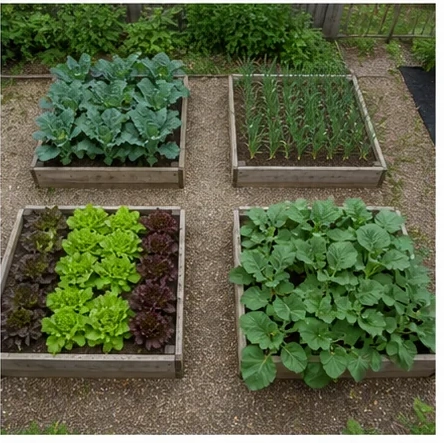
Trap-crop records are conditional. They score only if the plan puts the trap plant at the perimeter, earlier than the crop, and you tick the management requirement. Otherwise the ledger shows the record as “conditions not met” and explains what would satisfy it.
Sources
- Shelton, A. M., Badenes-Perez, F. R. (2006). Concepts and applications of trap cropping in pest management. Annual Review of Entomology. Successful trap cropping depends on the pest's preference, the trap crop's attractiveness over time, arrangement (usually perimeter), and on destroying pests in the trap crop; most failures come from ignoring one of these.
- Cavanagh, A., Hazzard, R., Adler, L. S., Boucher, J. (2009). Using trap crops for control of Acalymma vittatum (Coleoptera: Chrysomelidae) reduces insecticide use in butternut squash. Journal of Economic Entomology. A perimeter of Blue Hubbard squash intercepted striped cucumber beetles arriving at butternut squash fields, reducing insecticide use when the trap crop itself was treated. The system requires the trap crop to be established before the main crop and managed.
- Mitchell, E. R., Hu, G., Johanowicz, D. (2000). Management of diamondback moth (Lepidoptera: Plutellidae) in cabbage using collard as a trap crop. HortScience. Collards planted around cabbage attracted diamondback moth egg-laying and reduced the need to spray the cabbage; the trap rows had to be maintained and treated.
- Sustainable Agriculture Research and Education (SARE) (2009). Using trap crops to reduce pests. SARE / USDA. A trap crop works only when the pest clearly prefers it, it is planted earlier or at the perimeter where pests arrive, it is monitored, and the pests it collects are destroyed before they move to the main crop.
- Hokkanen, H. M. T. (1991). Trap cropping in pest management. Annual Review of Entomology. Defines trap cropping and reviews its successes and failures; emphasises that trap crops must be more attractive than the main crop at the right time and must be managed to prevent the pest returning to the main crop.
Reviewer: Garden Planner editorial team (pending independent horticultural review). Last substantive review August 15, 2026. Request a correction · Methodology