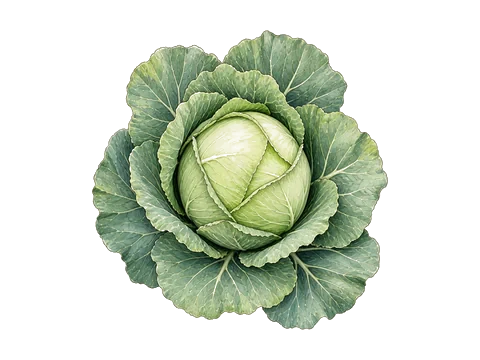
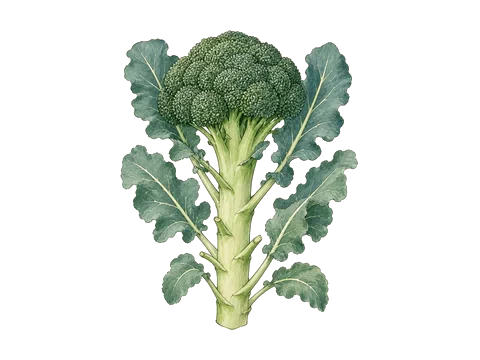
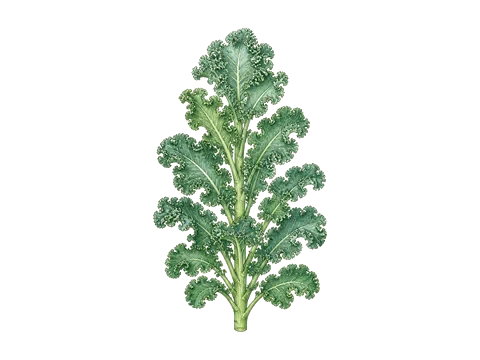
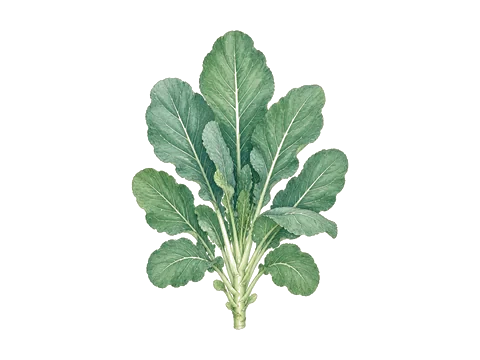
Cabbage White Caterpillars and Other Brassica Pests
7 min read · Reviewed August 15, 2026 · Garden Planner editorial team (pending independent horticultural review)
Know the culprits
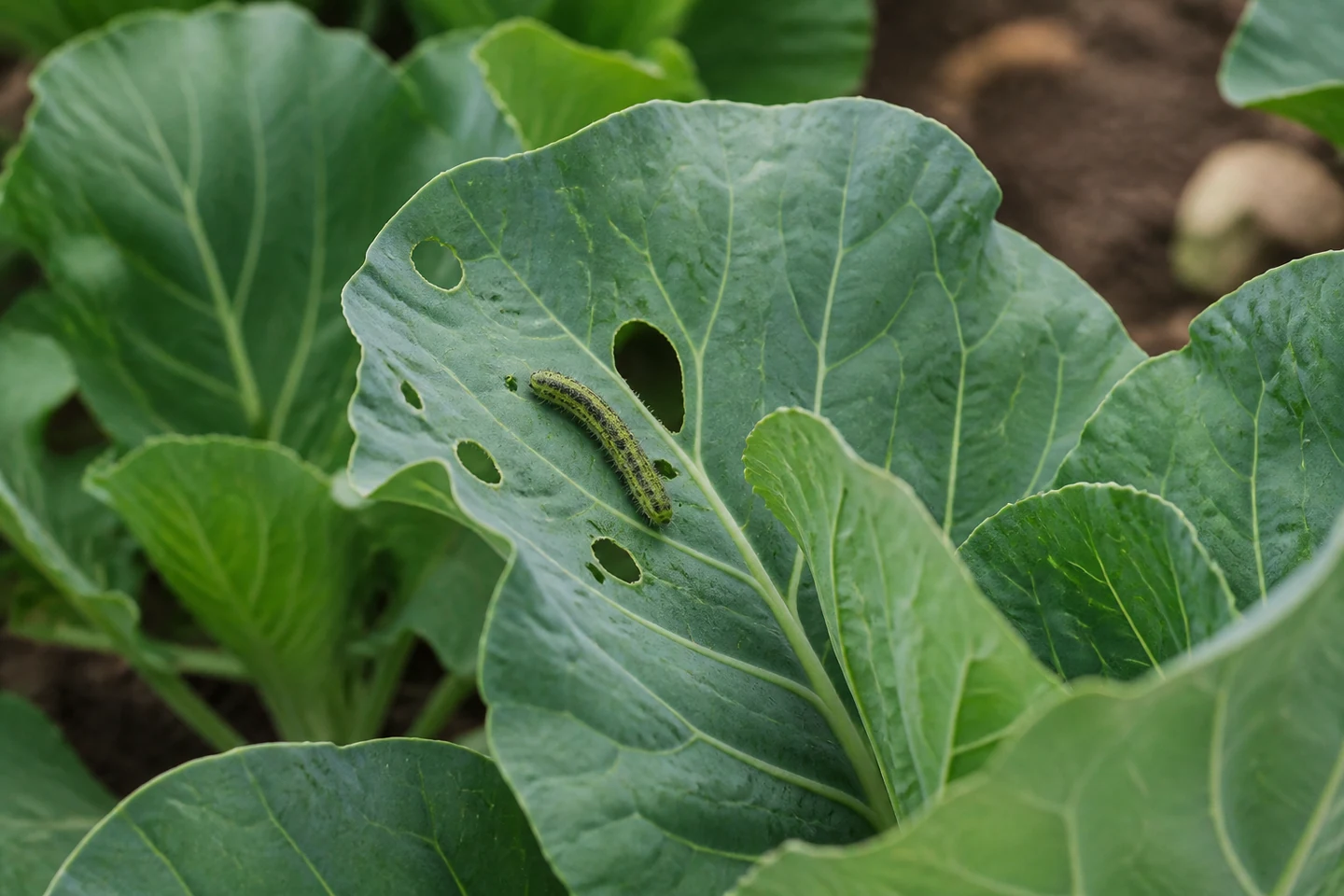
- Cabbage white butterflies (large and small): yellow eggs in clusters or singly under leaves; green or spotted caterpillars; ragged holes and frass.
- Diamondback moth: tiny green caterpillars that wriggle when touched; windowpane damage.
- Cabbage root fly: white maggots at the roots; plants wilt in sun and pull up easily.
- Flea beetles: shot-holes in seedling leaves; tiny jumping beetles.
- Cabbage aphid: grey, waxy colonies in leaf folds.
One protection for all
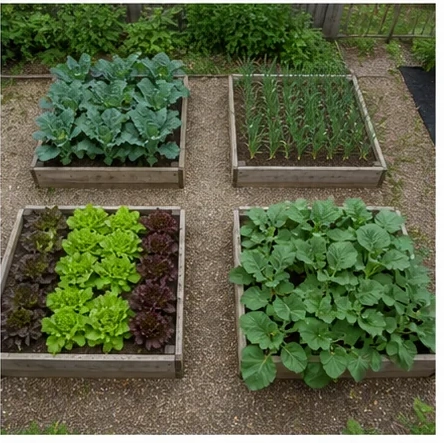
Fine insect mesh (not bird netting) draped over hoops from the day of transplanting, sealed at the edges, excludes every flying adult above. It is the single most effective measure and costs nothing in yield. Lift it to weed and check.
Supplements with evidence
- Hand-picking eggs and caterpillars twice a week works in a small bed.
- Bt (Bacillus thuringiensis) sprays kill caterpillars specifically and spare other insects.
- Collard trap rows around cabbage drew diamondback moth egg-laying in field trials when the rows were maintained and treated.
- Clover living mulch under cabbage reduced root fly egg-laying and other pests in replicated trials, with a yield cost unless mown.
- Brassica collars (cardboard discs around stems) stop root fly egg-laying at the stem base.
Claims without evidence
Sage, thyme, mint, rosemary, lavender, tomatoes, nasturtium and rhubarb beside brassicas are all said to deter cabbage whites. No controlled trial was found for any. The catalog lists them as traditional.
Rotation
These pests are mostly above ground; rotation matters for clubroot and root fly pupae in soil. Keep the three-year brassica gap and remember that radish, arugula and alyssum count.
Sources
- University of California Statewide Integrated Pest Management Program (2025). Home, garden, turf and landscape pests. UC Agriculture and Natural Resources. Pest biology and host ranges, including that corn earworm and tomato fruitworm are the same insect (Helicoverpa zea) and that late blight affects both potato and tomato.
- Mitchell, E. R., Hu, G., Johanowicz, D. (2000). Management of diamondback moth (Lepidoptera: Plutellidae) in cabbage using collard as a trap crop. HortScience. Collards planted around cabbage attracted diamondback moth egg-laying and reduced the need to spray the cabbage; the trap rows had to be maintained and treated.
- Finch, S., Collier, R. H. (2000). Host-plant selection by insects – a theory based on 'appropriate/inappropriate landings' by pest insects of cruciferous plants. Entomologia Experimentalis et Applicata. Non-host plants surrounding brassicas disrupted pest host-finding (inappropriate landings), reducing egg-laying by cabbage root fly and others. The effect depends on ground cover, not the identity of a 'repellent' companion.
- Theunissen, J., Booij, C. J. H., Lotz, L. A. P. (1995). Effects of intercropping white cabbage with clovers on pest infestation and yield. Entomologia Experimentalis et Applicata. Undersowing cabbage with clover reduced several pests, but the clover competed with cabbage and reduced head size unless managed (for example by mowing or delayed sowing).
- Sustainable Agriculture Research and Education (SARE) (2009). Using trap crops to reduce pests. SARE / USDA. A trap crop works only when the pest clearly prefers it, it is planted earlier or at the perimeter where pests arrive, it is monitored, and the pests it collects are destroyed before they move to the main crop.
Reviewer: Garden Planner editorial team (pending independent horticultural review). Last substantive review August 15, 2026. Request a correction · Methodology