Clubroot in Brassicas
5 min read · Reviewed August 15, 2026 · Garden Planner editorial team (pending independent horticultural review)
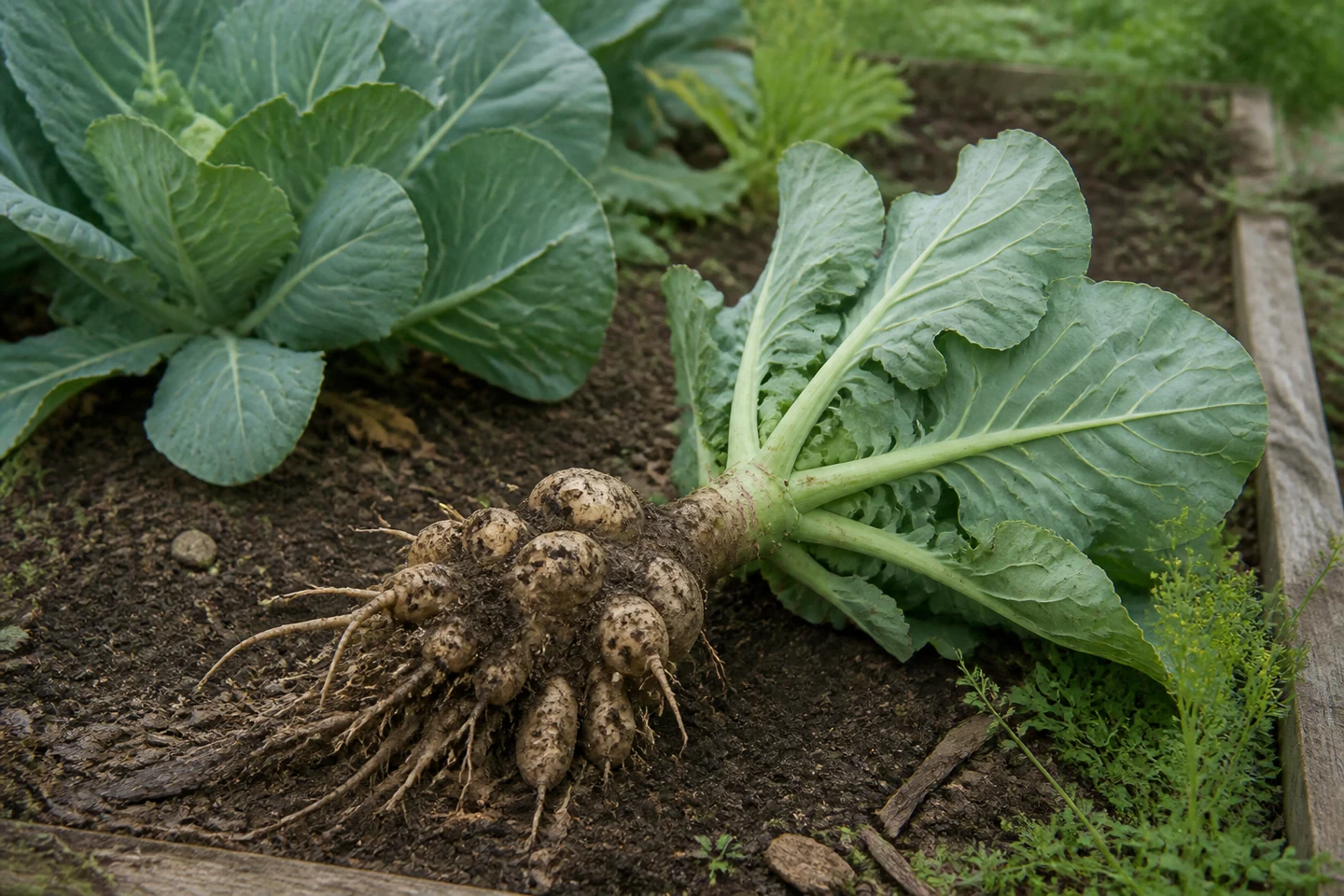
Identify
Plants wilt on warm days and recover at night, grow slowly and look yellow. Pull one: roots are swollen, distorted, club- or finger-shaped, and later rot. Cabbage root fly maggots also cause wilting but the roots are tunnelled, not swollen.
The organism
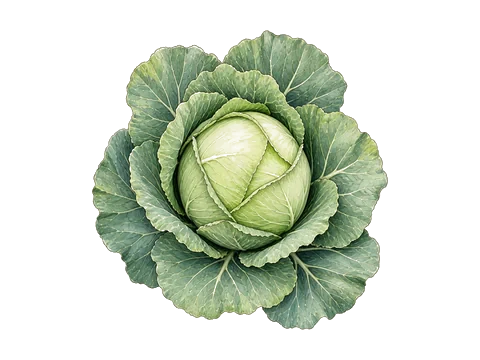
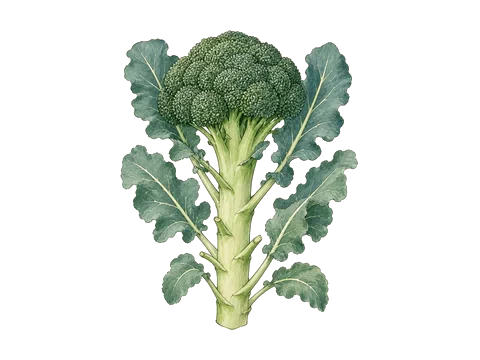
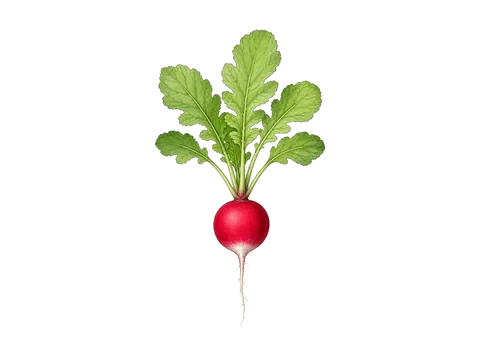
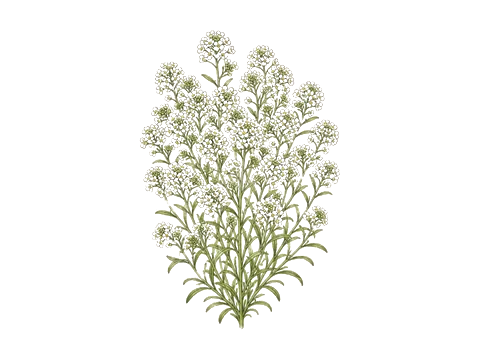
A soil-dwelling protist whose resting spores survive 10–20 years. It infects all brassicas: cabbage, broccoli, kale, radish, turnip, arugula, mustard, and also sweet alyssum, wallflowers and brassica weeds such as shepherd’s purse. It spreads in soil on boots, tools, plants, manure and water.
Prevention
- Do not import soil or transplants of unknown origin; raise your own from seed in clean mix.
- Lime to pH 7.2 or above before planting brassicas; the disease is worst in acid soil.
- Improve drainage; spores need water to infect.
- Rotate brassicas with a three-year gap, remembering radish, arugula and alyssum. Rotation slows build-up; it does not clean infested soil.
- Control brassica weeds.
- Resistant cultivars of cabbage, cauliflower, broccoli and kale exist; they are the practical answer in infested gardens.
If you have it
Remove and bin (not compost) affected plants with as much root as possible. Grow brassicas in that bed only as resistant cultivars or in containers of fresh mix, raise transplants in large pots so they have a head start, lime, and be patient for many years. Clean tools and boots before working in clean beds.
In the planner
Clubroot is a rotation-layer warning: a brassica placed where brassicas grew within three years triggers it, with this page as the remedy. It is never reported as a companion conflict.
Sources
- University of Minnesota Extension (2023). Managing plant diseases in the home garden. University of Minnesota Extension. Explains sanitation, rotation, spacing for airflow, resistant cultivars and watering practice as the core of home-garden disease management.
- Royal Horticultural Society (2025). Grow Your Own vegetables, herbs and fruit. Royal Horticultural Society. Cultivation guidance for cool-temperate maritime climates, including sowing months, spacing, support and container suitability.
- University of Minnesota Extension (2023). Living soil, healthy garden: crop rotation and soil health. University of Minnesota Extension. Recommends rotating plant families between seasons to interrupt soil-borne disease and pest cycles, and explains how rotation differs from planting companions together.
Reviewer: Garden Planner editorial team (pending independent horticultural review). Last substantive review August 15, 2026. Request a correction · Methodology