Crop Rotation by Plant Family
7 min read · Reviewed August 15, 2026 · Garden Planner editorial team (pending independent horticultural review)
What rotation is for
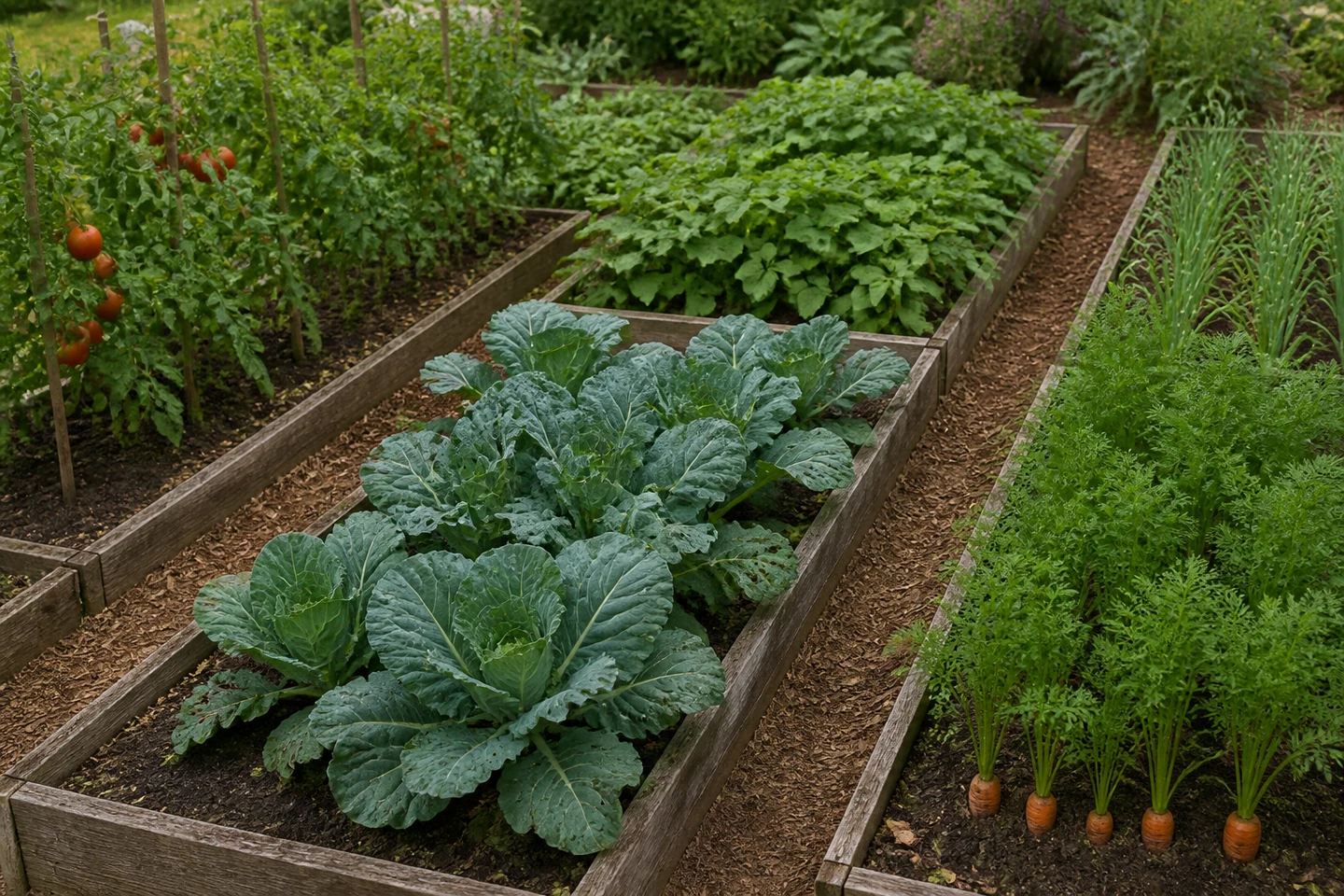
Late blight and wilts in nightshades, clubroot in brassicas, white rot in alliums and root rots in legumes survive in soil, debris and volunteers. Growing the same family in the same bed every year lets them build. Moving the family for two to four years breaks the cycle. Rotation also spreads nutrient demand and root depth, but in a compost-fed home garden the disease case is the one that matters.
Families and intervals
| Family | Members in the catalog | Named carry-over risks | Gap |
|---|---|---|---|
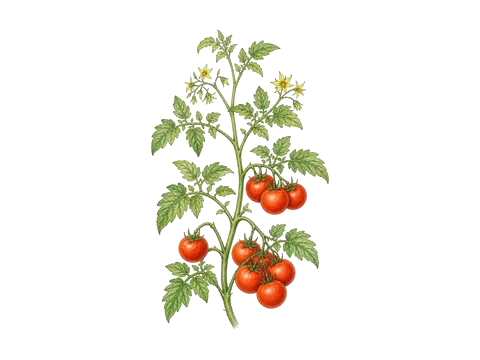
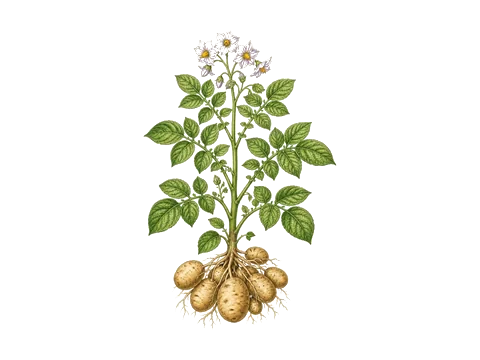
| Nightshades | tomato, pepper, eggplant, potato | late blight, early blight, Verticillium, Colorado potato beetle | 3 years |
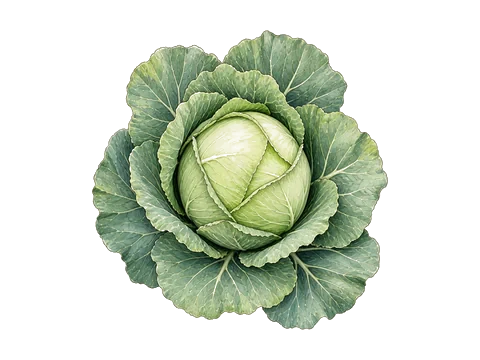
| Brassicas | cabbage, broccoli, kale, radish, arugula, alyssum… | clubroot (10+ years in soil), cabbage root fly, club | 3 years |
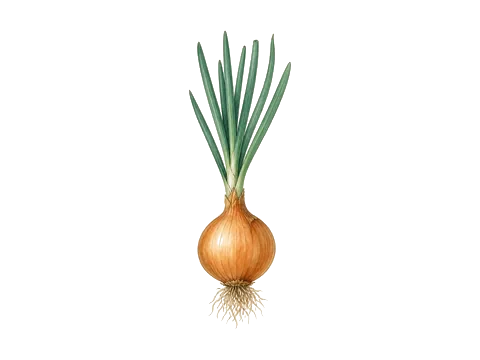
| Alliums | onion, garlic, leek, chives | white rot (10+ years), onion fly | 3 years |
| Legumes | beans, peas, clover | root rots, bean seed fly | 2 years |
| Cucurbits | cucumber, squash, melon | bacterial wilt via beetles, powdery mildew | 2 years |
| Carrot family | carrot, parsnip, celery, parsley, dill | carrot fly, Alternaria | 2 years |
| Beet family | beet, chard, spinach | leaf miner, Cercospora | 2 years |
Short crops count. A row of radishes is still brassica occupancy.
A four-bed plan
Bed 1: nightshades → legumes → brassicas → roots and alliums → back to nightshades. Each bed runs the same sequence one year behind the previous bed. Cucurbits slot in with the legumes or the roots in a five-bed version.
One or two beds
Split each bed into halves and alternate; grow the most disease-prone families in containers of fresh mix in the “off” years; remove every scrap of crop debris; choose resistant cultivars; never replant alliums where white rot appeared; and keep a bed history so the planner can show you the risk rather than hide it.
What rotation is not
It is not companion planting. Tomato and potato are poor neighbours in the same season because of shared late blight (a live adjacency issue) and also need rotation (a between-seasons issue). Those are two separate checks in the planner and two separate layers in the result.
Sources
- University of Minnesota Extension (2023). Living soil, healthy garden: crop rotation and soil health. University of Minnesota Extension. Recommends rotating plant families between seasons to interrupt soil-borne disease and pest cycles, and explains how rotation differs from planting companions together.
- University of Minnesota Extension (2023). Managing plant diseases in the home garden. University of Minnesota Extension. Explains sanitation, rotation, spacing for airflow, resistant cultivars and watering practice as the core of home-garden disease management.
- Finch, S., Collier, R. H. (2000). Host-plant selection by insects – a theory based on 'appropriate/inappropriate landings' by pest insects of cruciferous plants. Entomologia Experimentalis et Applicata. Non-host plants surrounding brassicas disrupted pest host-finding (inappropriate landings), reducing egg-laying by cabbage root fly and others. The effect depends on ground cover, not the identity of a 'repellent' companion.
Reviewer: Garden Planner editorial team (pending independent horticultural review). Last substantive review August 15, 2026. Request a correction · Methodology