Why?
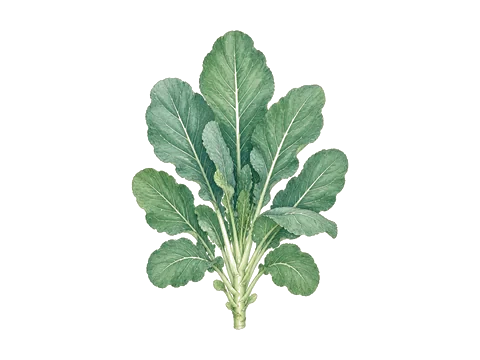
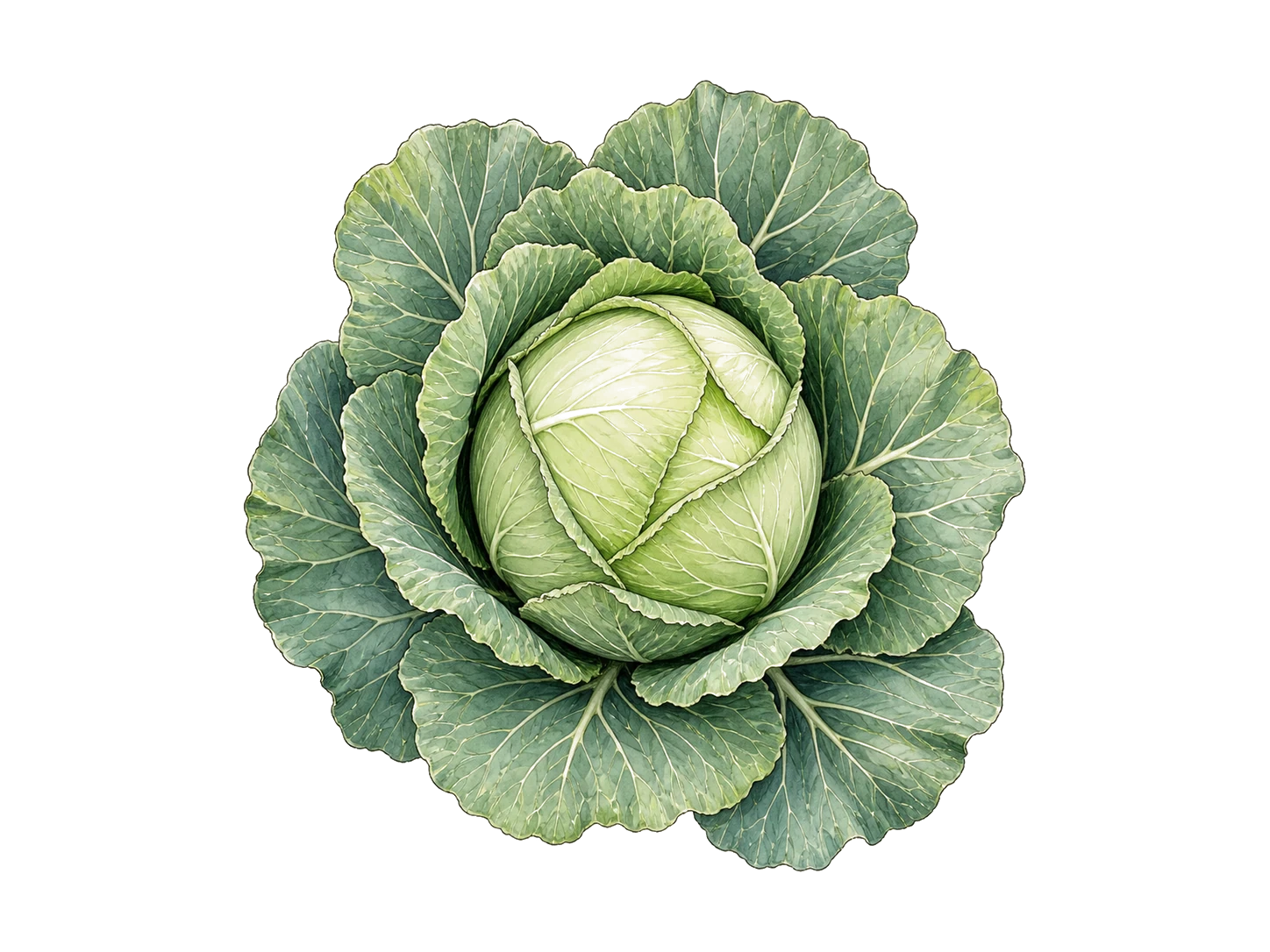
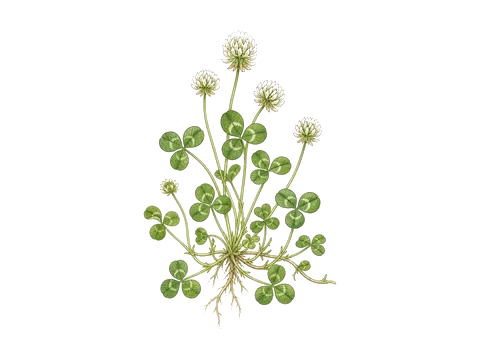
Claim. Undersowing cabbage with white clover reduced egg-laying and infestation by several cabbage pests in replicated field trials, and a 2023 meta-analysis of cabbage intercropping found substantially lower pest injury on average.
Mechanism. Ground cover of non-host plants disrupts pest host-finding ("inappropriate landings"): insects that land on clover leave the area more often than they find cabbage.
Studied in. Field trials in the UK and Netherlands; white cabbage undersown with clover; meta-analysis of cabbage intercropping trials. (field)
Conditions. Sow clover 2–4 weeks after transplanting cabbage, or mow established clover before transplanting. Continuous clover cover under and between cabbage plants. Clover must cover the ground while cabbage is vulnerable (transplant to heading).
Management. Mow or trim clover to 5 cm when it reaches 15 cm; Sow clover later than cabbage or keep it in strips to limit competition.
Applies when. Applies to home beds where the ground between cabbages can be fully covered; a few clover plants at one end will not reproduce the effect.
Limitations. The same trials and the meta-analysis found a modest reduction in cabbage head size or yield from competition. The benefit is lower pest injury, not higher yield.
Evidence. Tier A: Systematic review or meta-analysis, or multiple relevant replicated field studies with consistent results. (meta analysis).
Sources. Finch 2000; Theunissen 1995; Carrillo-Reche 2023
Reviewed August 15, 2026 by Garden Planner editorial team (pending independent horticultural review). Record white-clover--cabbage--living_mulch v1. Request a correction.