Why?
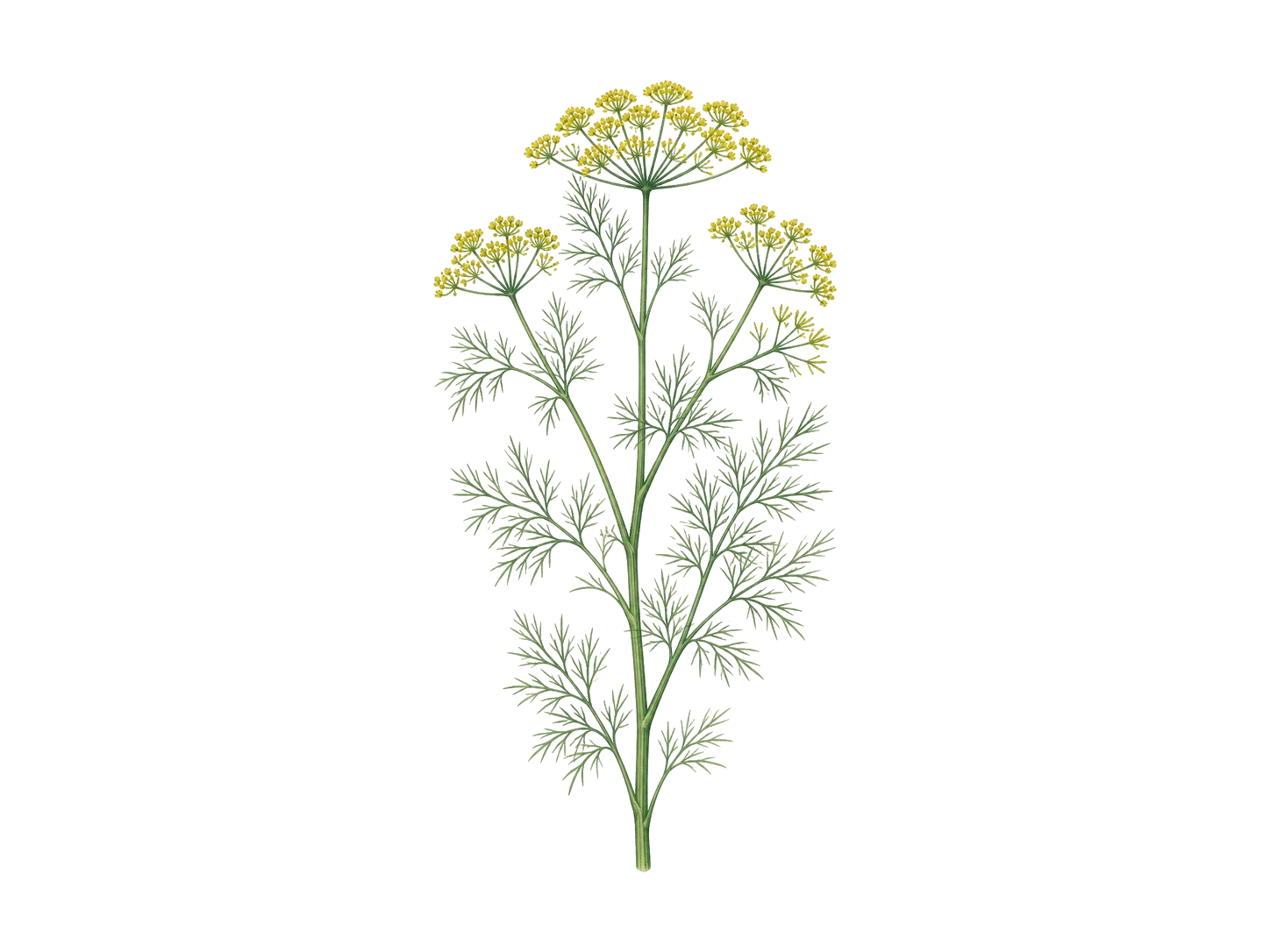
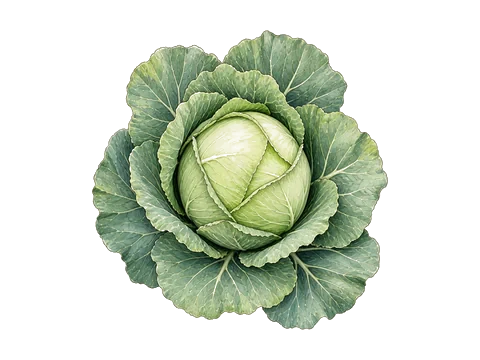
Claim. Flowering dill is attractive to hoverflies, lacewings and parasitic wasps that attack cabbage pests; an effect on pest numbers in cabbage is plausible but not directly measured.
Mechanism. Small, open umbel flowers supply nectar and pollen to natural enemies.
Studied in. Field observation of insect visits to insectary plants (California); diversity meta-analysis. (field)
Conditions. Sow dill 2–3 weeks before cabbage so it flowers during the pest season. Within a few metres of the cabbage. Dill must be flowering while cabbage pests are present; leafy dill does nothing for beneficials.
Management. Let dill flower; Stagger sowings for continuous bloom.
Applies when. Low-cost experiment with a documented mechanism.
Limitations. No cabbage-specific outcome trial found; dill is tall and self-seeds.
Evidence. Tier C: Indirect evidence: greenhouse or pot work, a related crop or species, or credible extension guidance with important uncertainty. (field trial).
Sources. Hogg 2011; Letourneau 2011
Reviewed August 15, 2026 by Garden Planner editorial team (pending independent horticultural review). Record dill--cabbage--insectary_support v1. Request a correction.