Intercropping Fundamentals
7 min read · Reviewed August 15, 2026 · Garden Planner editorial team (pending independent horticultural review)
Definition
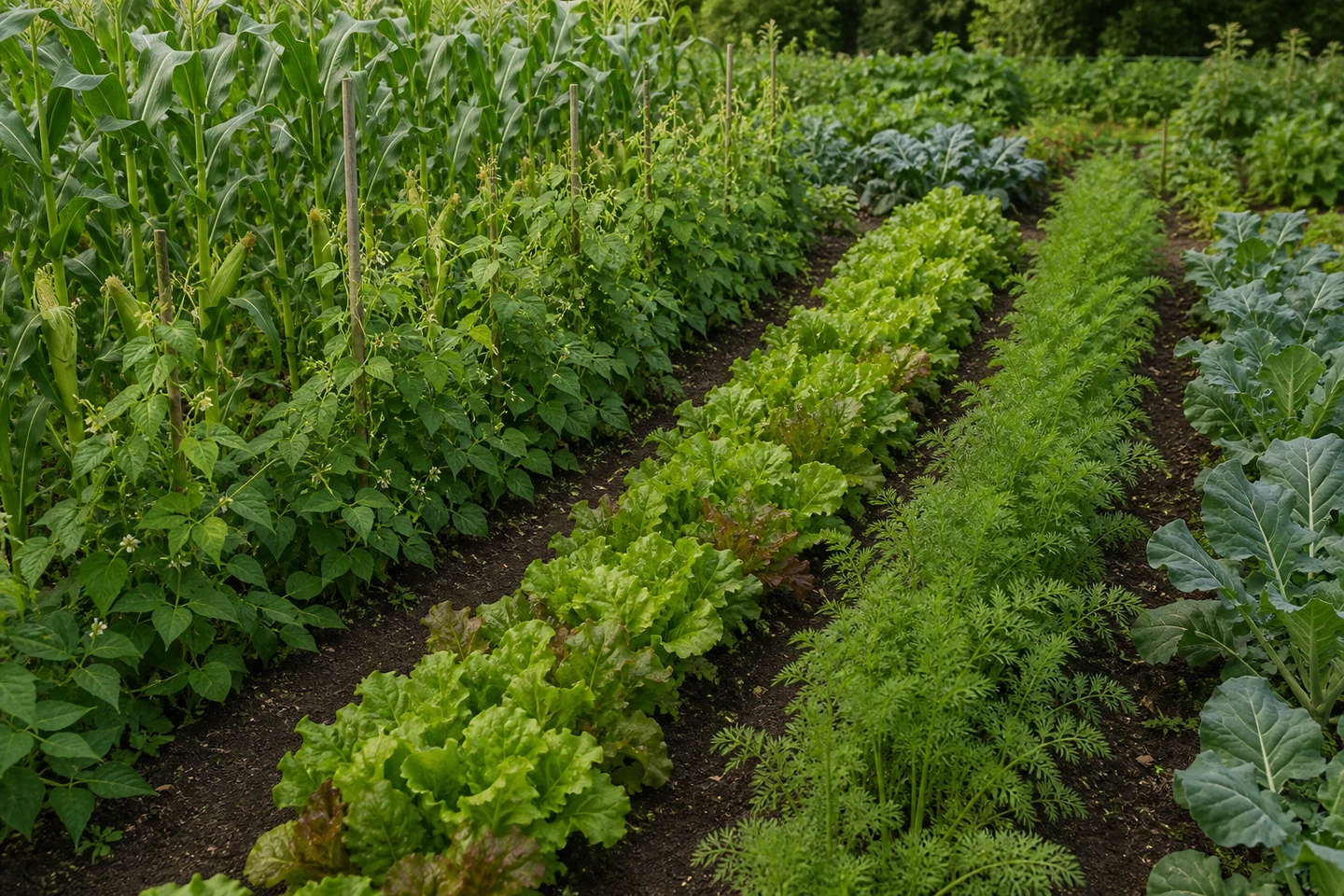
Intercropping is growing two or more crops in the same space during the same season. Companion planting is the home-garden word for it, usually with extra claims attached. The agronomy is simpler and better measured.
Why it can out-yield sole crops
A tall crop and a short one, a deep-rooted crop and a shallow one, or an early and a late crop, take resources from different places or at different times. The standard measure is the land-equivalent ratio (LER): the area of sole crops needed to produce what one area of intercrop produced. An LER of 1.3 means you would need 30% more land growing the crops separately. Syntheses put typical LERs for well-chosen pairs between 1.1 and 1.4.
When it applies
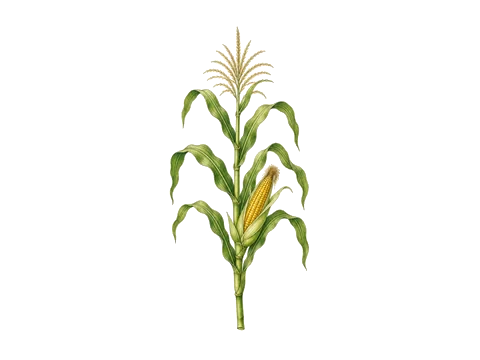
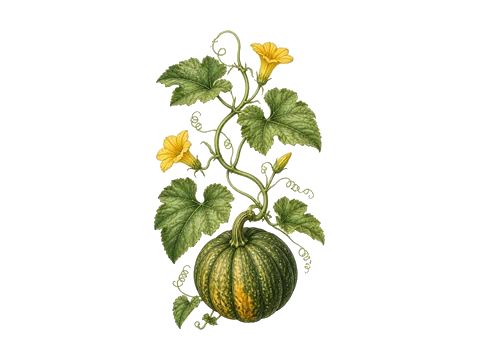
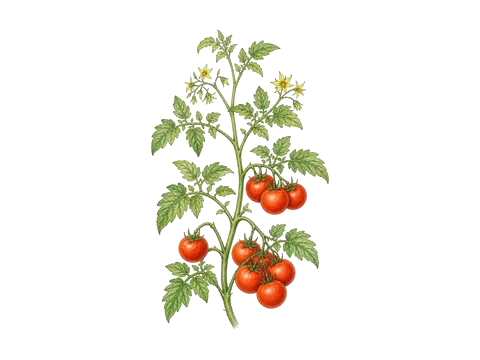
- Height difference: corn over squash, tomatoes over basil, peas over lettuce.
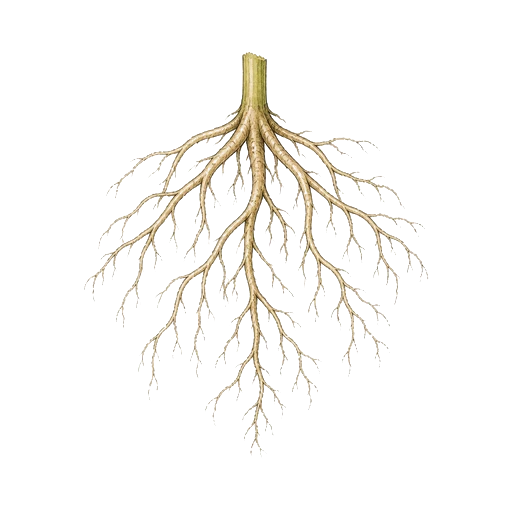
- Root difference: carrots (deep taproot) with lettuce (shallow).
- Timing difference: radishes pulled before carrots need the row; garlic lifted before squash vines spread.
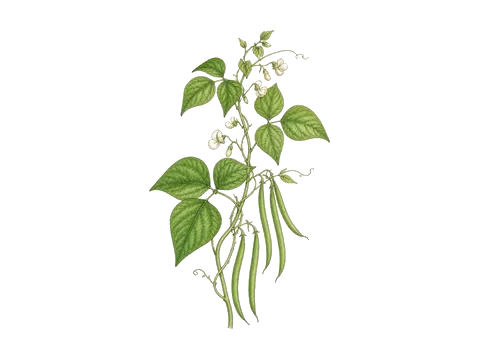
- Support: beans on corn, which replaces a trellis.
When it fails
- Total density too high: basil shaded out under a dense tomato canopy in the field trial.
- Same needs, same layer: two tall, thirsty, deep-rooted plants at close spacing.
- Harvest access: squash vines through corn are hard to walk through.
- Management: mixed beds need hand work; rows and strips are easier to weed and water.
Worked example: the Three Sisters
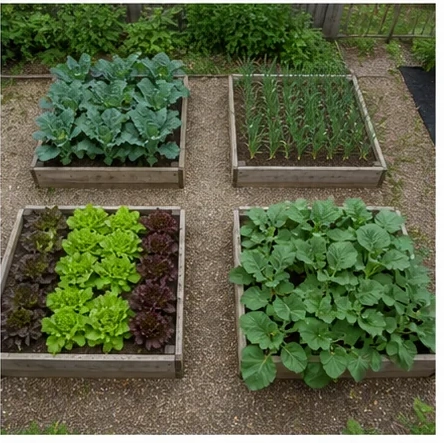
Field plots in New York compared corn, pole beans and winter squash grown together with each crop grown alone. Per plant, each crop yielded less in the mixture. Per area, the mixture produced more food energy and protein. The mechanisms were physical support, complementary canopies and ground cover, not a biochemical friendship. To reproduce it: sow corn first in a block at least 1.2 m square; sow beans when corn is 30 cm tall, two or three per stalk; sow squash at the block edge a week later.
How the planner uses this
Spatial complementarity is scored as a positive edge only when both plants overlap in time and the arrangement matches the record. It never overrides spacing: the planner still reserves each plant’s footprint.
Sources
- Brooker, R. W., et al. (2015). Improving intercropping: a synthesis of research in agronomy, plant physiology and ecology. New Phytologist. Intercrop productivity gains come from complementary use of light, water and nutrients in space and time, and from facilitation; gains are highest when the component crops differ in height, rooting depth or timing.
- Mt. Pleasant, J. (2016). Food yields and nutrient analyses of the Three Sisters: a Haudenosaunee cropping system. Ethnobiology Letters. The corn–bean–squash polyculture produced more food energy and protein per area than the sole crops, through physical support, complementary canopies and ground cover; individual crop yields were lower than monocultures.
- Bomford, M. K. (2009). Do tomatoes love basil but hate Brussels sprouts? Competition and land-use efficiency of popularly recommended and discouraged crop mixtures in biointensive agriculture systems. Journal of Sustainable Agriculture. Tomato–basil mixtures achieved land-use efficiency above sole crops at some densities, while the popularly discouraged tomato–Brussels sprout mixture did not behave as a harmful pairing. Neither result depended on a special 'friendship'; density and competition explained the outcomes.
- Huss, C. P., Holmes, K. D., Blubaugh, C. K. (2022). Benefits and risks of intercropping for crop resilience and pest management. Journal of Economic Entomology. Intercropping can reduce pest pressure and increase resilience, but outcomes depend on the specific combination; costs include competition, labour and management complexity.
Reviewer: Garden Planner editorial team (pending independent horticultural review). Last substantive review August 15, 2026. Request a correction · Methodology