Relay and Succession Cropping
6 min read · Reviewed August 15, 2026 · Garden Planner editorial team (pending independent horticultural review)
Two different ideas
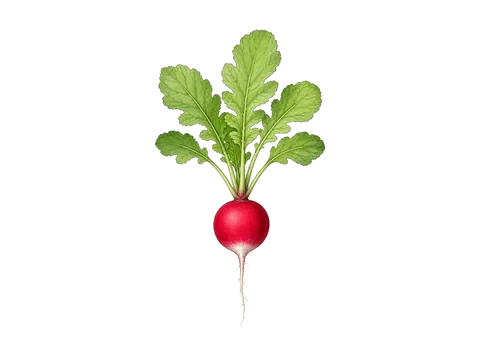
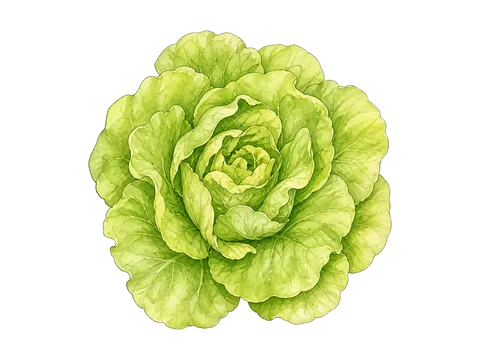
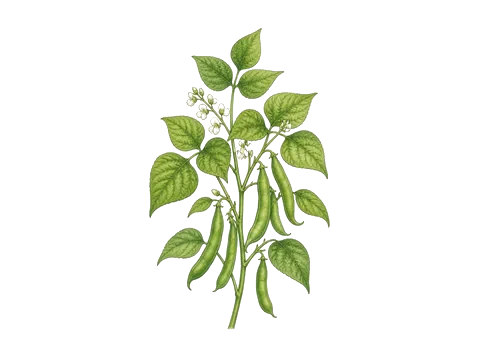
Succession sowing is repeating the same crop at intervals so the harvest is continuous instead of a glut: lettuce every two weeks, bush beans every two to three weeks, radishes every ten days. It stops when a sowing can no longer mature before the season ends.
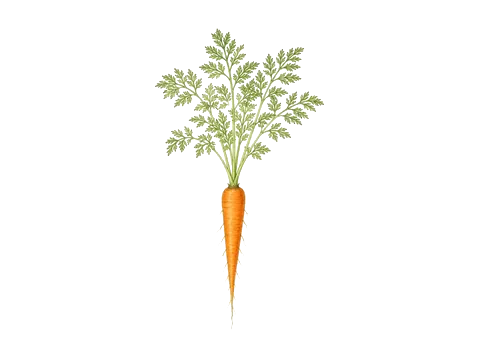
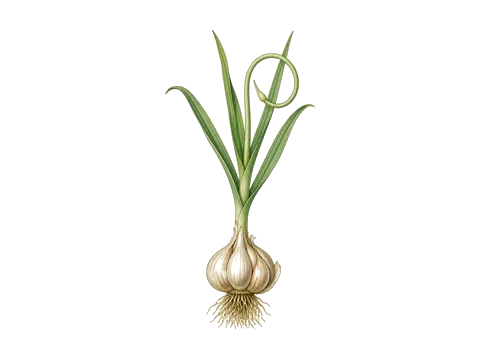
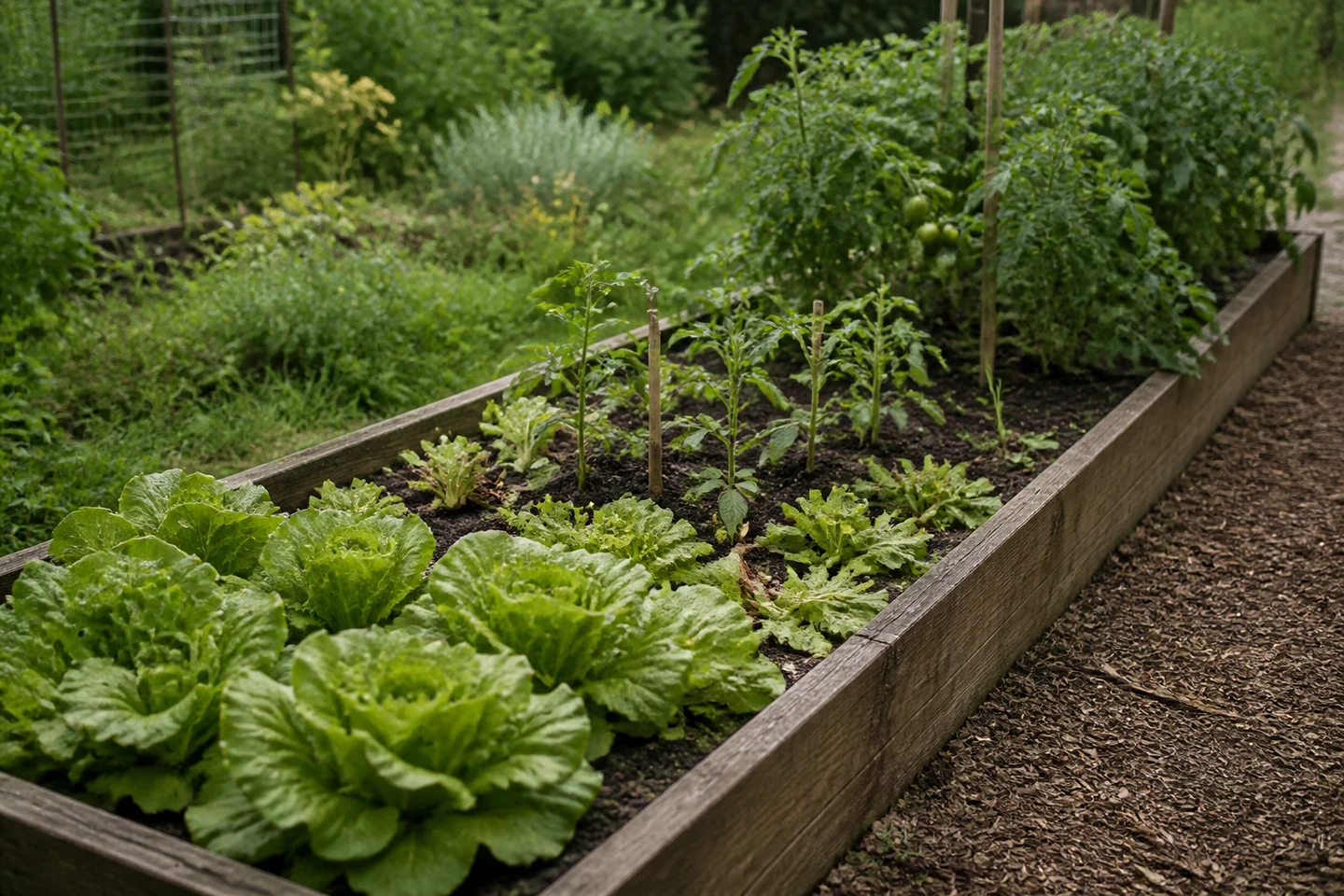
Relay cropping is sowing or transplanting the next crop into a bed while the current crop is still there, so the two overlap briefly: lettuce between young tomatoes, squash transplanted beside garlic that will be lifted in weeks, radish in the carrot row.
The arithmetic
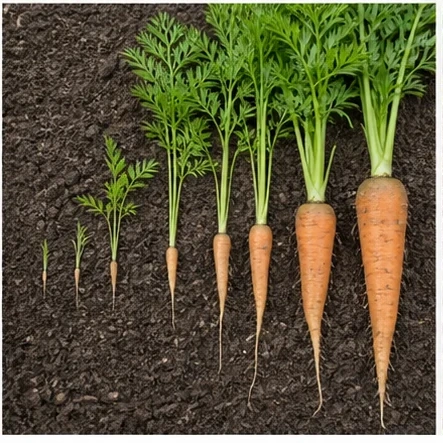
Every crop has days to maturity and a harvest length. Work backwards from the first frost (or the heat that ends cool crops): last useful sowing date = season end minus days to maturity minus a safety margin of about two weeks. The calendar’s “succession sow” bars are exactly this calculation, and the task list turns them into dated reminders.
Relay rules of thumb
- The outgoing crop must leave before the incoming one needs the space: radishes out in four weeks, before carrot seedlings need the row; garlic lifted in early summer as squash vines start to run.
- The incoming crop must tolerate some shade and root competition for a few weeks.
- Disturb the soil as little as possible when clearing the outgoing crop.
Common relays
| Outgoing | Incoming | Overlap |
|---|---|---|
| Peas (spring) | Bush beans or cucumbers | 2–3 weeks |
| Garlic (autumn-planted) | Winter squash, beans | 2–4 weeks |
| Spring lettuce | Tomatoes, peppers | 3–4 weeks |
| Radish | Carrots, parsnips (same row) | 3–4 weeks |
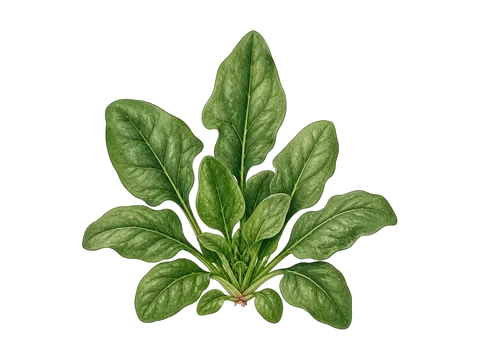
| Summer beans | Autumn spinach, kale | 1–2 weeks |
In the planner
Each placement has occupancy dates. Two crops can share cells only if their occupancies do not overlap beyond the relay allowance, and the ledger explains any timing conflict with a remedy.
Sources
- Cornell University, Cornell Cooperative Extension (2024). Vegetable Growing Guides. Cornell University. Crop-by-crop guidance on sowing, transplanting, spacing, days to maturity, water and common problems used for catalog culture fields.
- Royal Horticultural Society (2025). Grow Your Own vegetables, herbs and fruit. Royal Horticultural Society. Cultivation guidance for cool-temperate maritime climates, including sowing months, spacing, support and container suitability.
- Brooker, R. W., et al. (2015). Improving intercropping: a synthesis of research in agronomy, plant physiology and ecology. New Phytologist. Intercrop productivity gains come from complementary use of light, water and nutrients in space and time, and from facilitation; gains are highest when the component crops differ in height, rooting depth or timing.
Reviewer: Garden Planner editorial team (pending independent horticultural review). Last substantive review August 15, 2026. Request a correction · Methodology