 Spacing & support
 Soil & water
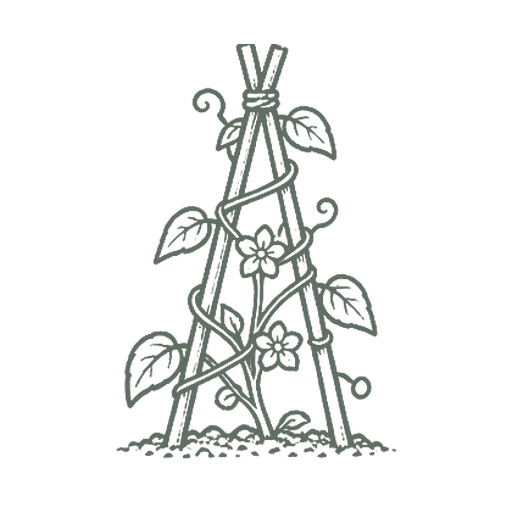 Support & training
 Harvest signs
 Common problems
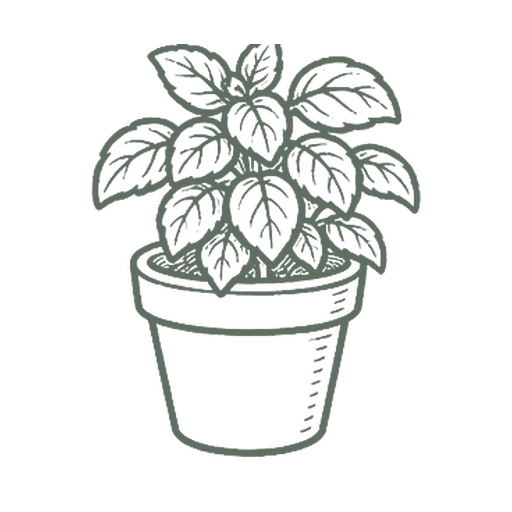 Container growing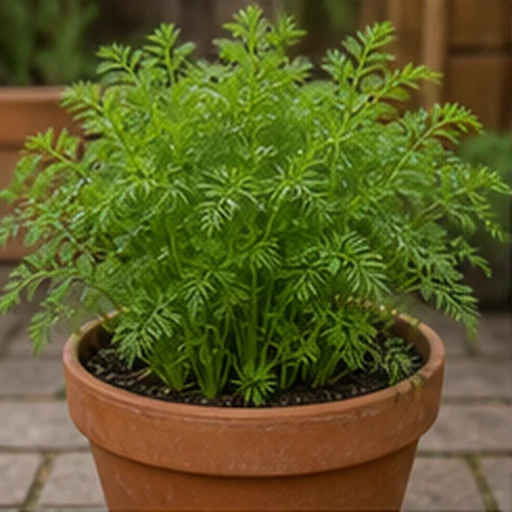
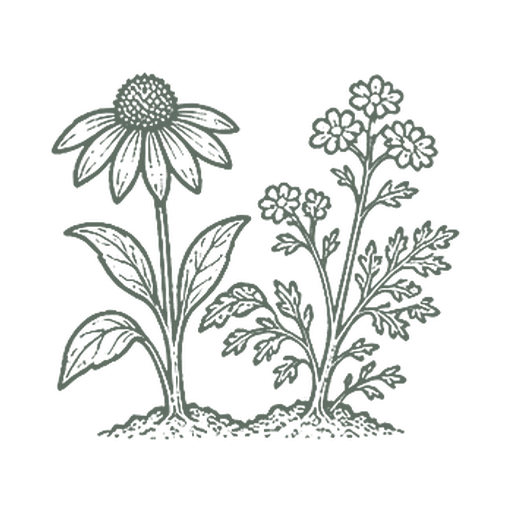 Companion overview
 Crop rotation
 Sources, reviewer & update
Growing carrot
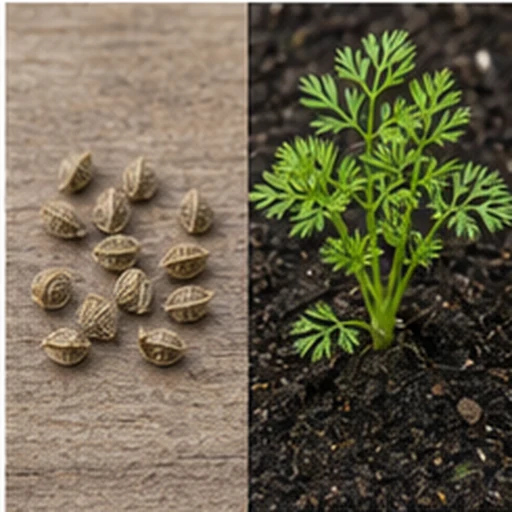
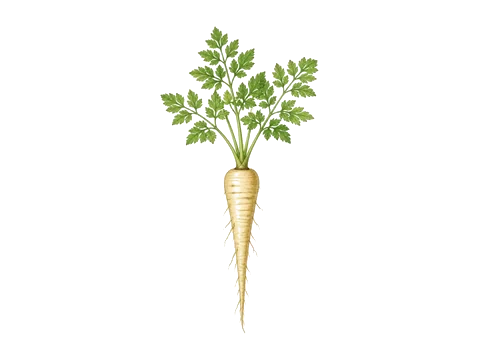
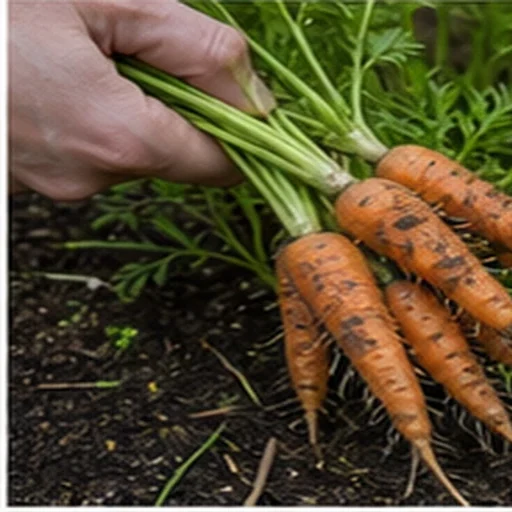
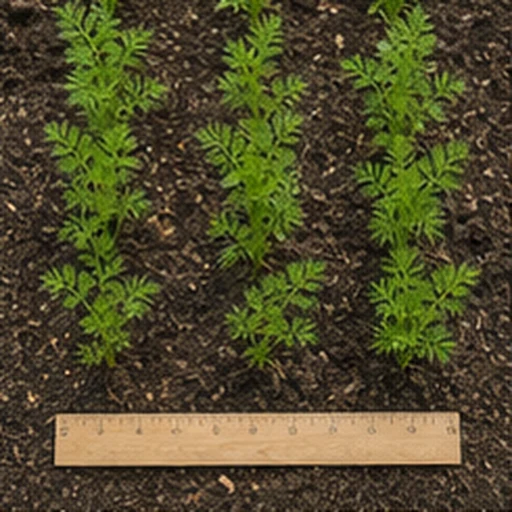
Carrots are sown where they will grow; their taproot does not transplant. Seed is slow (1–3 weeks) and needs the surface kept moist, which is why a board or fleece over the row until emergence is a common trick. Sow from a few weeks before the last frost through midsummer for autumn roots.
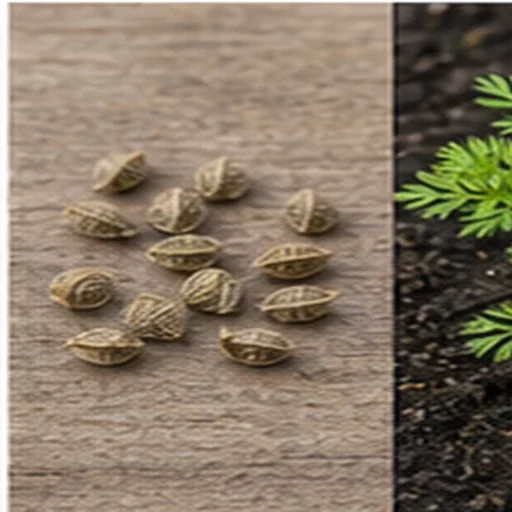
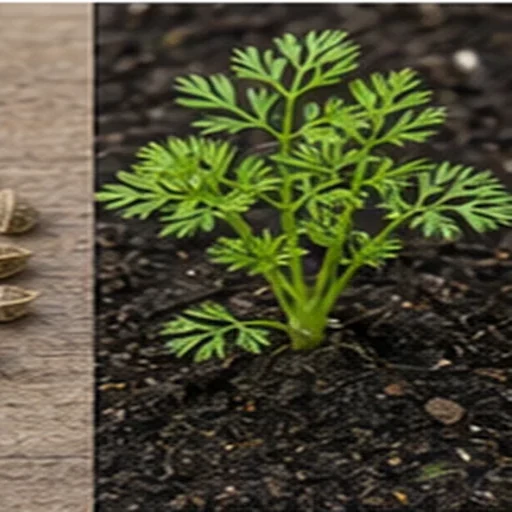
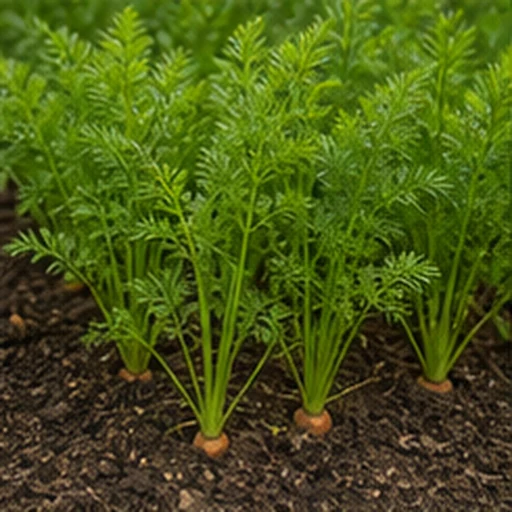
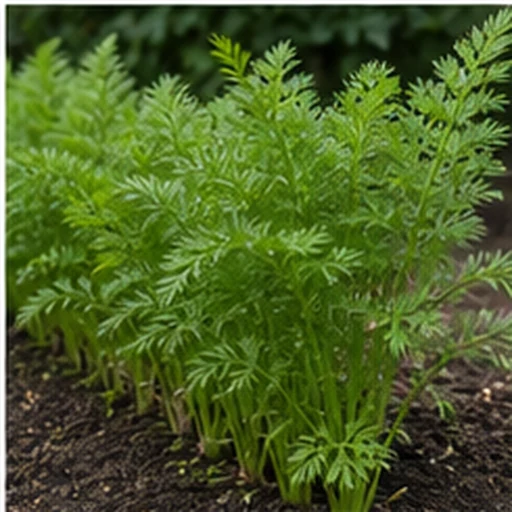
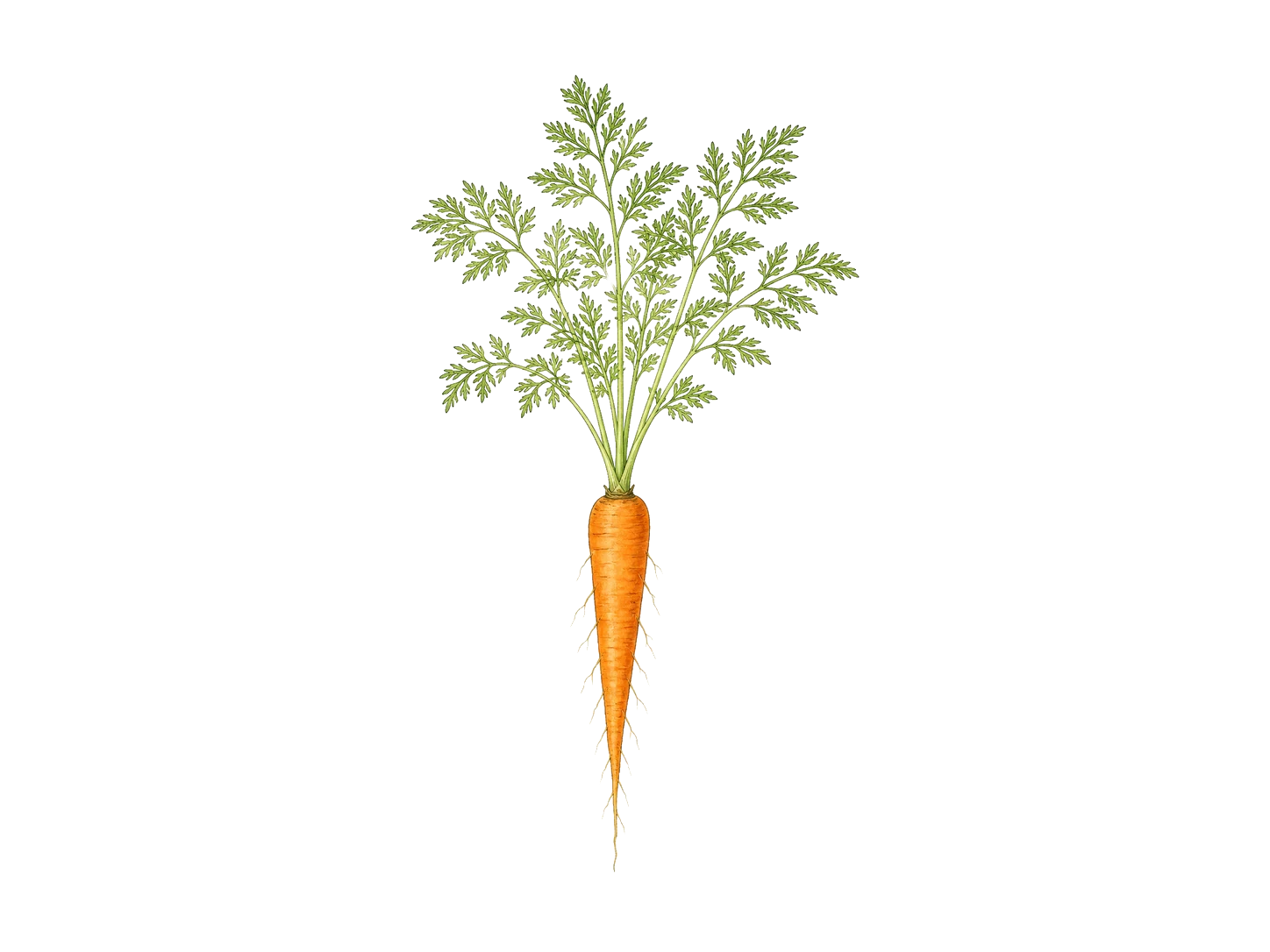
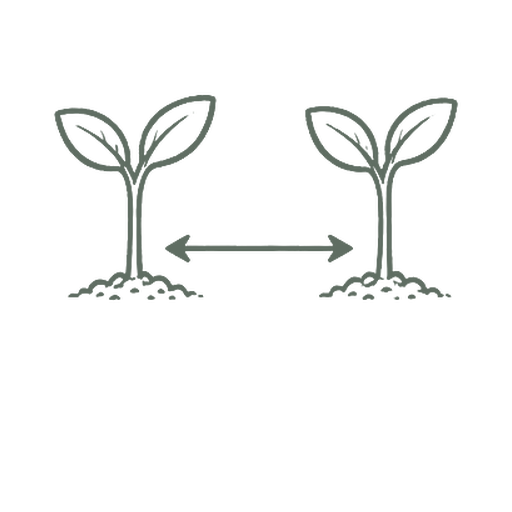
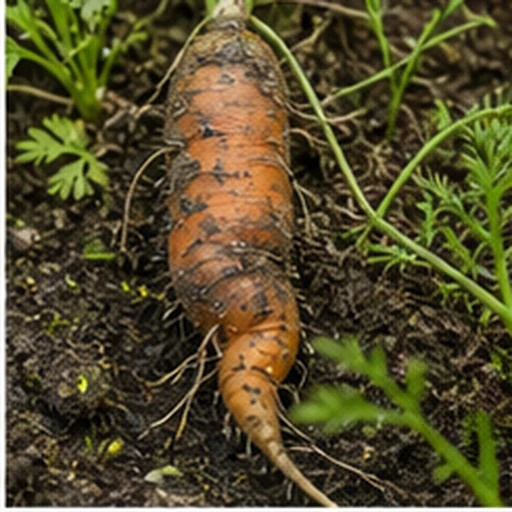
Forked or stunted roots come from stony, compacted or freshly manured soil, not from companions. Thin to 5–8 cm between plants; crowded carrots stay thin. The feathery tops are only 25–40 cm tall, so carrots fit between taller crops without shading them.
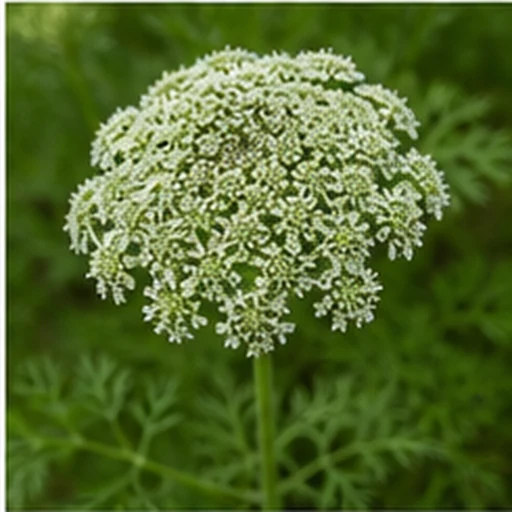
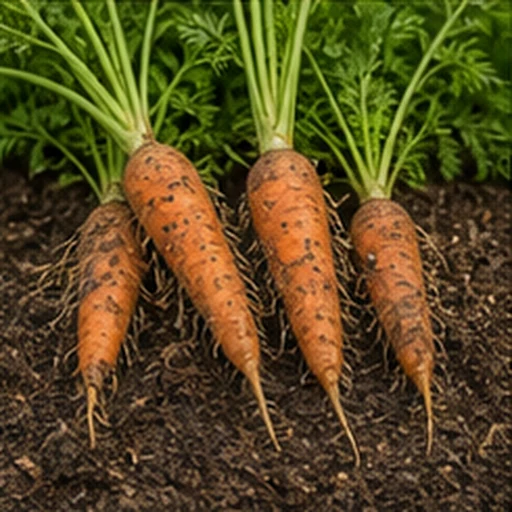
Carrot rust fly is the main pest in many regions; the documented protection is a fine mesh barrier or timing sowings to miss egg-laying peaks. The traditional onion pairing has only conditional field support at very high onion ratios.
Edible parts and safety
Edible: root, leaves (sparingly).
Pests and diseases
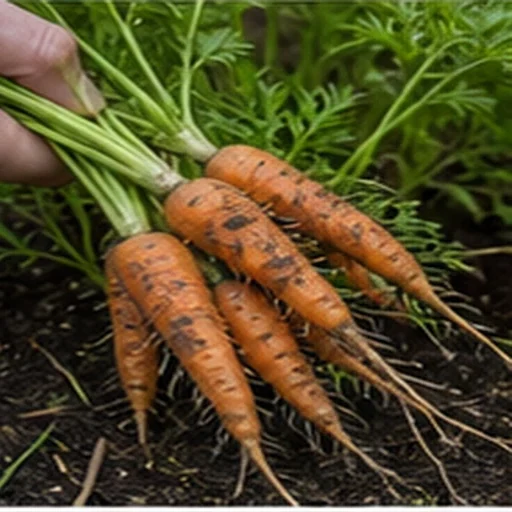
Common pests: carrot rust fly, aphids, wireworm. Common diseases: Alternaria leaf blight, cavity spot. These vary by region; a photograph is an example, not a diagnosis. See the pest and disease guides and your local extension service.
Timeline