Aphids: Identify, Prevent and Manage
6 min read · Reviewed August 15, 2026 · Garden Planner editorial team (pending independent horticultural review)
Identify
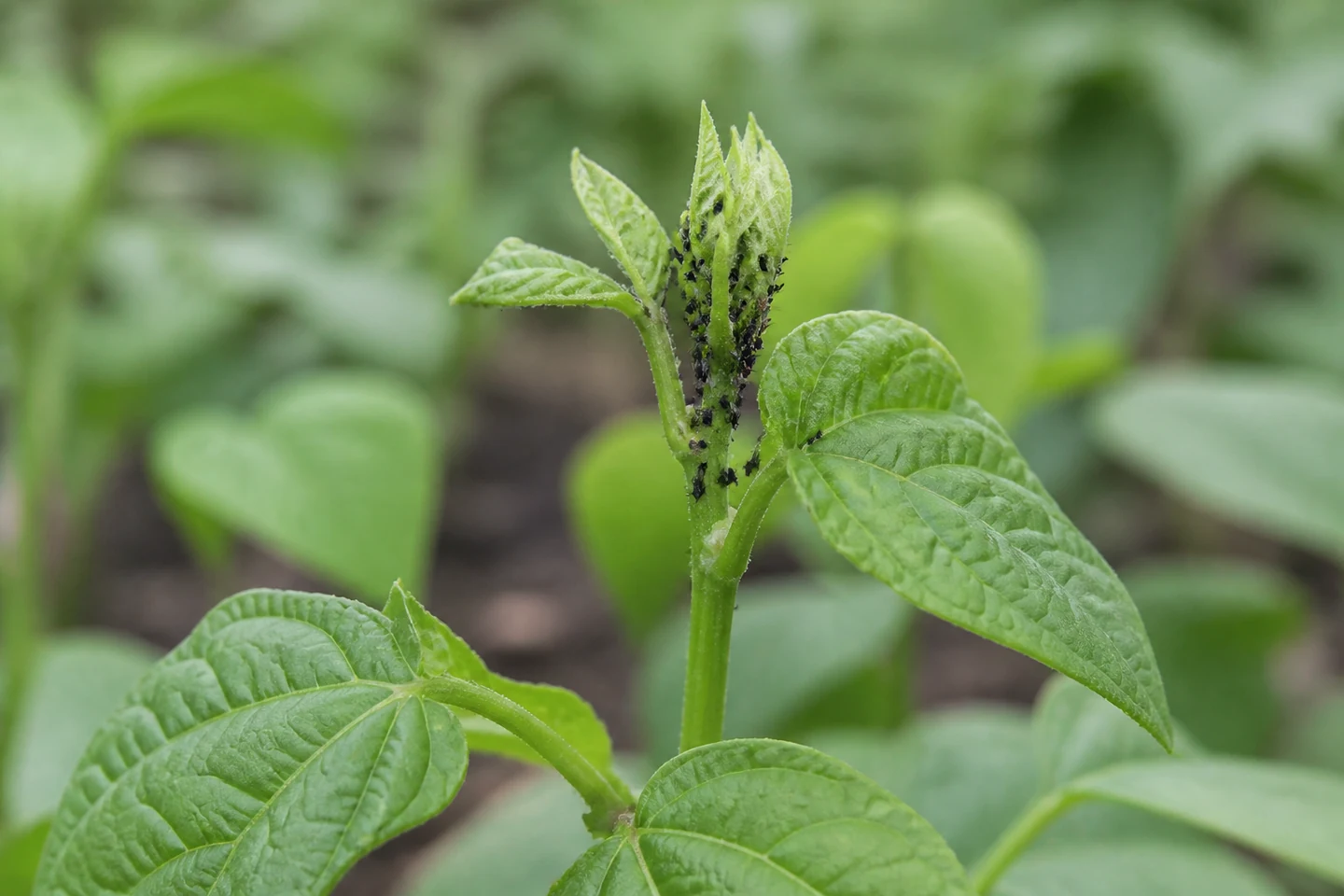
Soft, pear-shaped insects 1–3 mm long, green, black, grey or pink, in colonies on growing tips, buds and leaf undersides. Signs: curled or puckered new leaves, sticky honeydew, sooty mould on the honeydew, ants farming them, and shed white skins. Aphid mummies (brown, swollen, papery aphids) mean parasitic wasps are already at work.
Prevention
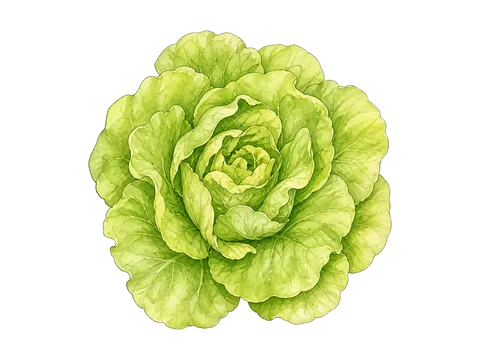
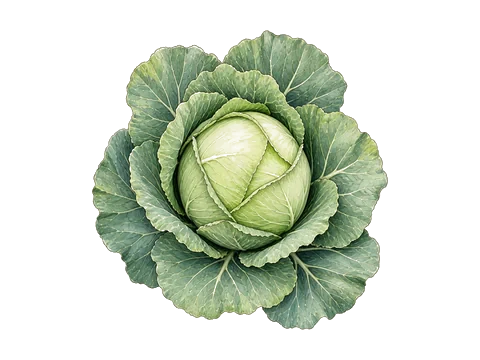
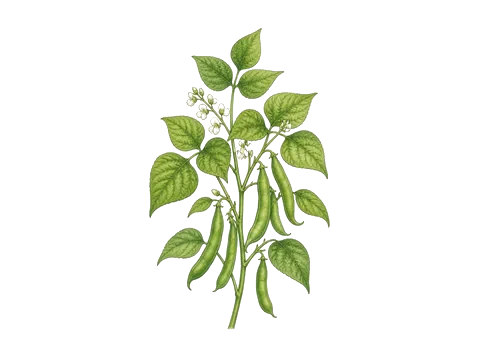
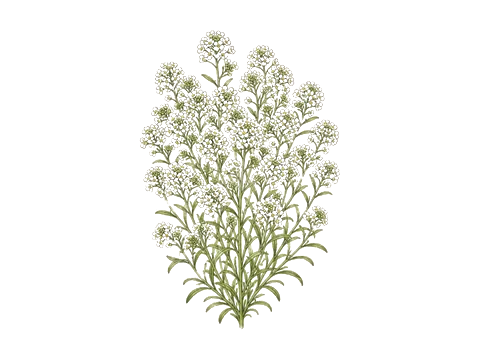
Avoid excess nitrogen (soft growth is aphid food); keep plants watered; delay or cover early sowings of beans and brassicas with fine mesh; and grow small open flowers (sweet alyssum, coriander, dill, buckwheat) within a few metres so hoverflies and parasitic wasps stay. That last point is the companion evidence that holds: field trials in lettuce and broccoli.
What does not help
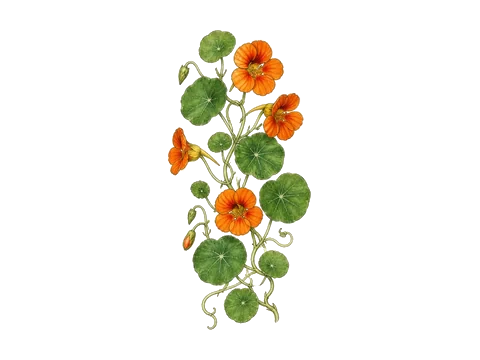
Repellent herbs (basil, mint, chives, garlic beside the crop) have no controlled trial. Nasturtiums draw black aphids but no study shows the neighbouring crop benefits; an untended nasturtium colony spreads.
Manage
- Squash small colonies by hand or knock them off with a strong jet of water; they rarely climb back.
- Pinch out badly infested tips (beans, roses).
- Wait a week before doing anything else: ladybird and hoverfly larvae usually arrive.
- Insecticidal soap or horticultural oil for persistent colonies, applied to the undersides in the evening; they also kill the enemies you want, so use sparingly.
- Remove ants’ access if they are protecting the colony.
When it matters
Seedlings and shoot tips can be stunted; virus transmission (potato, cucumber mosaic) is the serious harm. Mature plants tolerate a lot.
Sources
- University of California Statewide Integrated Pest Management Program (2025). Home, garden, turf and landscape pests. UC Agriculture and Natural Resources. Pest biology and host ranges, including that corn earworm and tomato fruitworm are the same insect (Helicoverpa zea) and that late blight affects both potato and tomato.
- Brennan, E. B. (2016). Agronomy of strip intercropping broccoli with alyssum for biological control of aphids. Biological Control. Sweet alyssum strips supported hoverflies (syrphids) whose larvae eat aphids; the trade-off is land and competition, which can be minimised by planting alyssum in a small share of the bed.
- Hogg, B. N., Bugg, R. L., Daane, K. M. (2011). Attractiveness of common insectary and harvestable floral resources to beneficial insects. Biological Control. Sweet alyssum, coriander, buckwheat and some other small-flowered plants attracted hoverflies, parasitic wasps and other beneficials; attractiveness differed by plant and insect group, so 'flowers help beneficials' must be specific.
- University of Minnesota Extension (2023). Companion planting in home gardens. University of Minnesota Extension. Separates companion practices with research support (for example trap crops, insectary plants and physical support) from traditional pairings whose origins are hard to identify, and cautions that many popular charts are not evidence-based.
Reviewer: Garden Planner editorial team (pending independent horticultural review). Last substantive review August 15, 2026. Request a correction · Methodology