 Spacing & support
 Soil & water
 Support & training
 Harvest signs
 Common problems
 Container growing
 Companion overview
 Crop rotation
 Sources, reviewer & update
Growing nasturtium
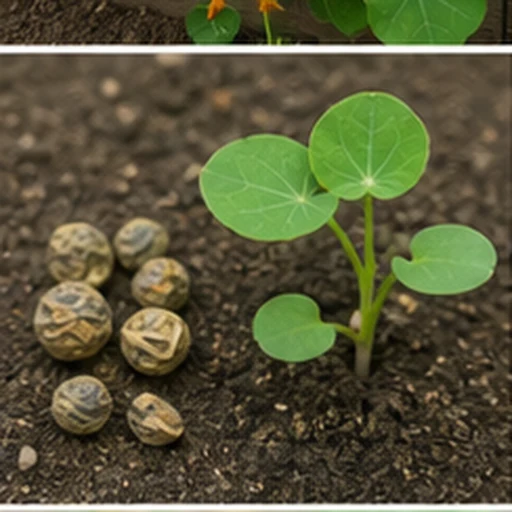
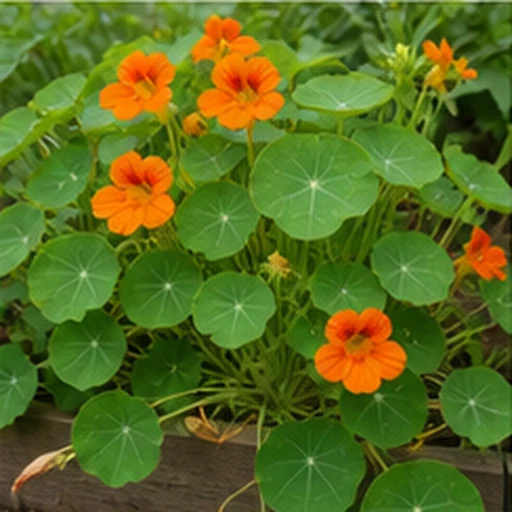
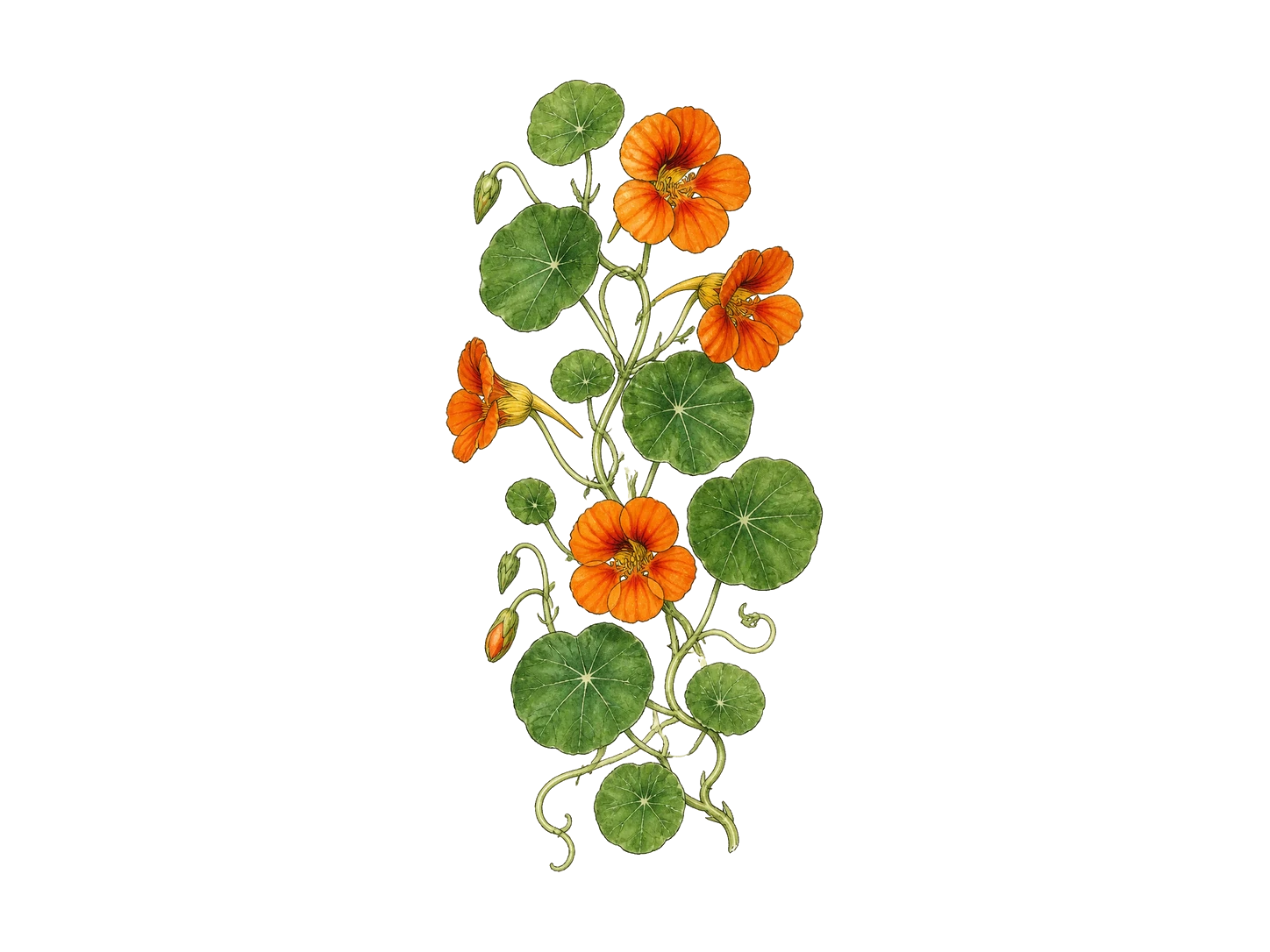
Nasturtiums are sown directly after the last frost, flower within six weeks and keep going until frost. Bush types stay at 30 cm; trailing types run 1.5 m or more. Poor soil gives more flowers; rich soil gives leaves.
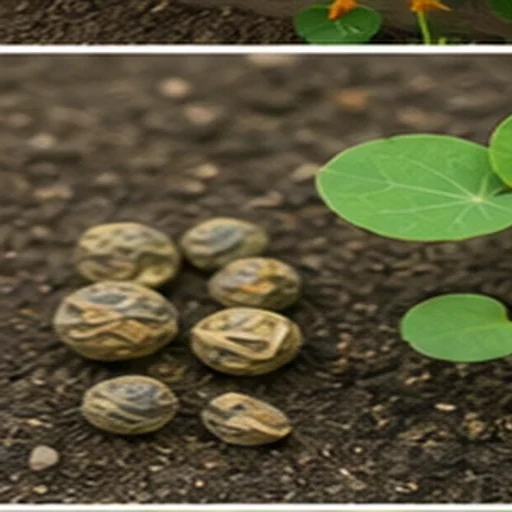
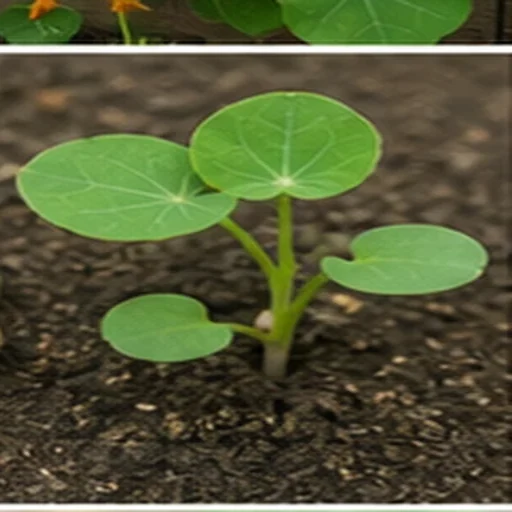
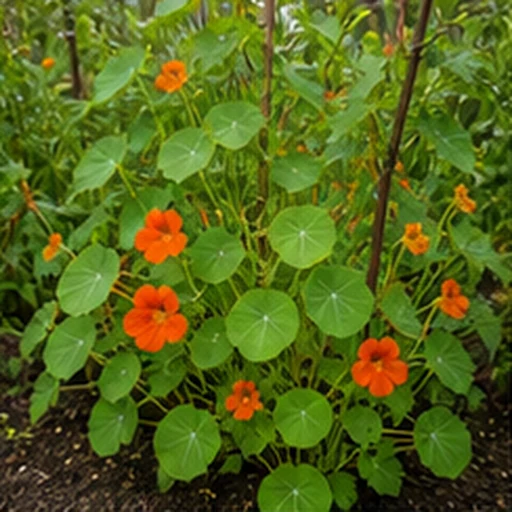
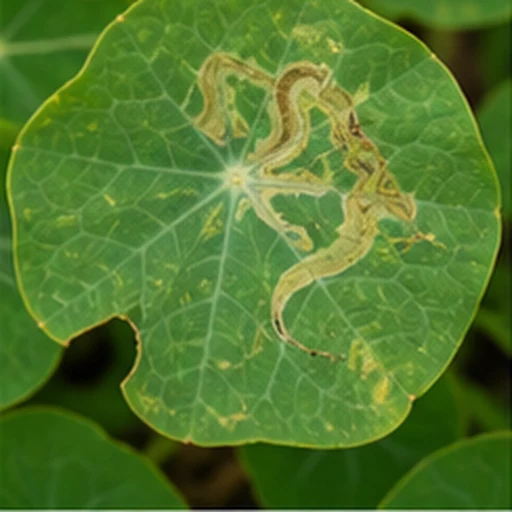
Nasturtiums are reliably colonised by black bean aphid and cabbage white caterpillars, which is the origin of the trap-crop tradition. The review found no controlled trial showing that this protects a nearby crop, and trap cropping requires the trap plants to be dealt with before pests move on; otherwise the nasturtium is a nursery. It is listed as a traditional claim.

Edible parts and safety
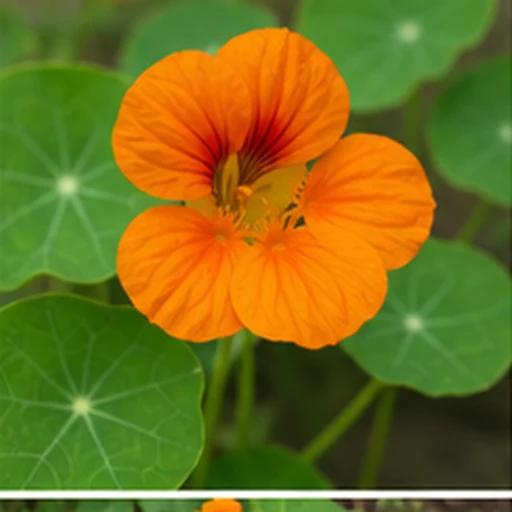
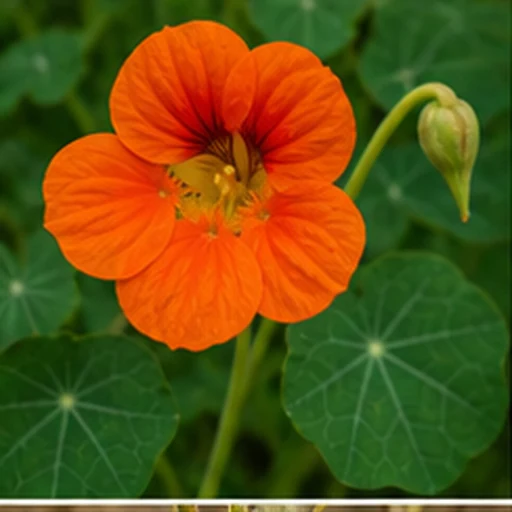
Edible: flowers, leaves, seed pods (pickled).
Pests and diseases
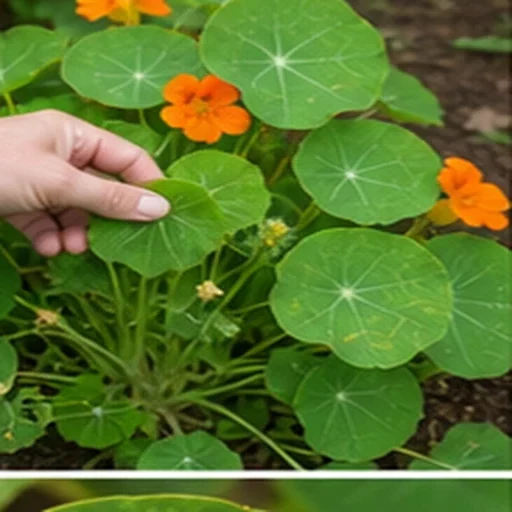
Common pests: black bean aphid, cabbage white caterpillars, flea beetles. Common diseases: viruses (mosaic). These vary by region; a photograph is an example, not a diagnosis. See the pest and disease guides and your local extension service.
Timeline