 Spacing & support
 Soil & water
 Support & training
 Harvest signs
 Common problems
 Container growing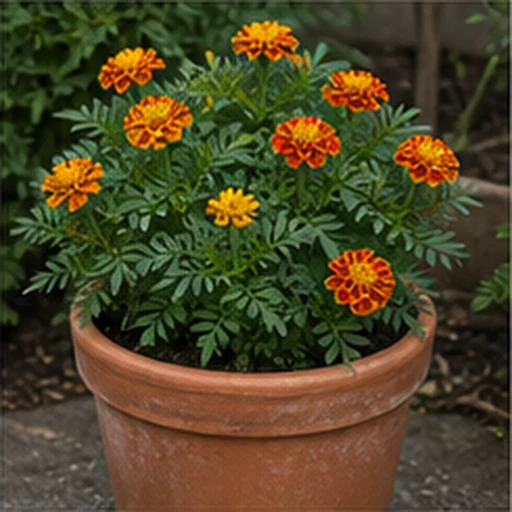
 Companion overview
 Crop rotation
 Sources, reviewer & update
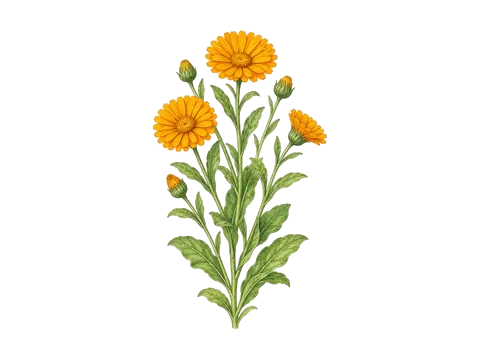
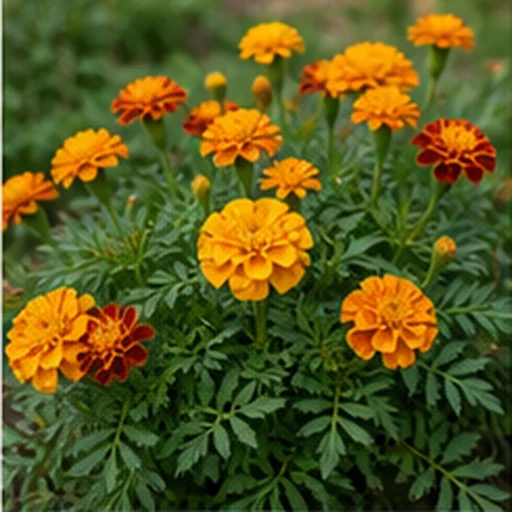
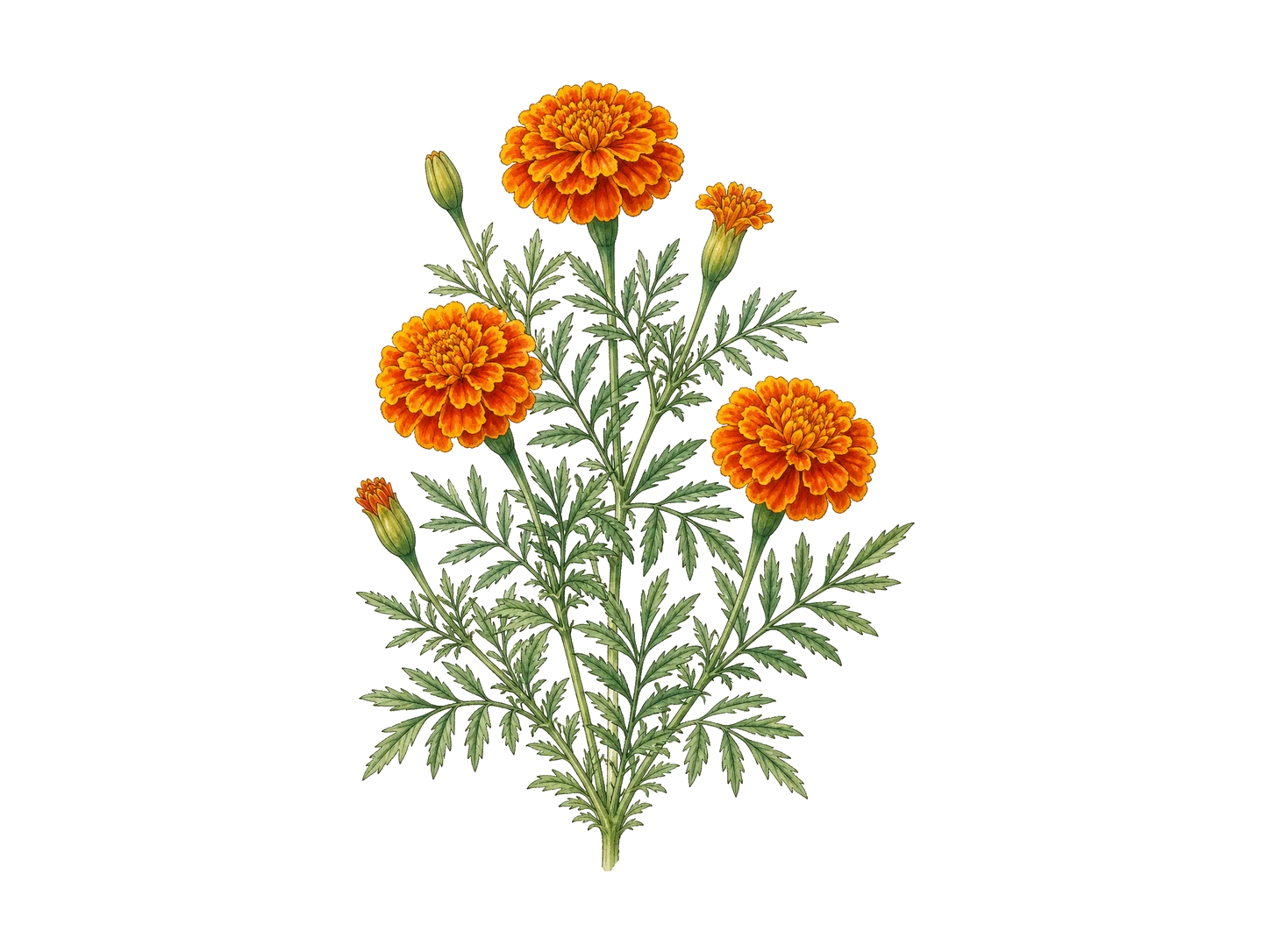
Growing french marigold
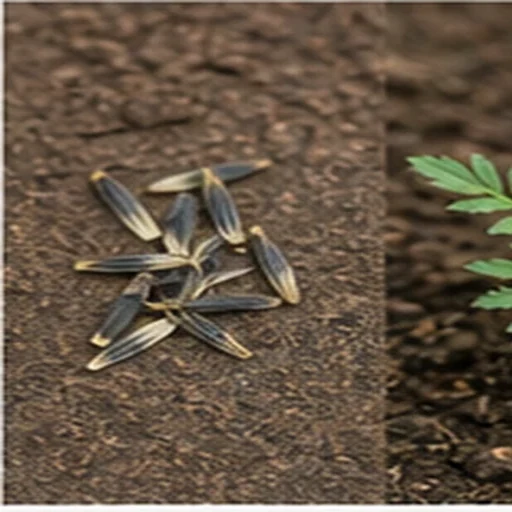
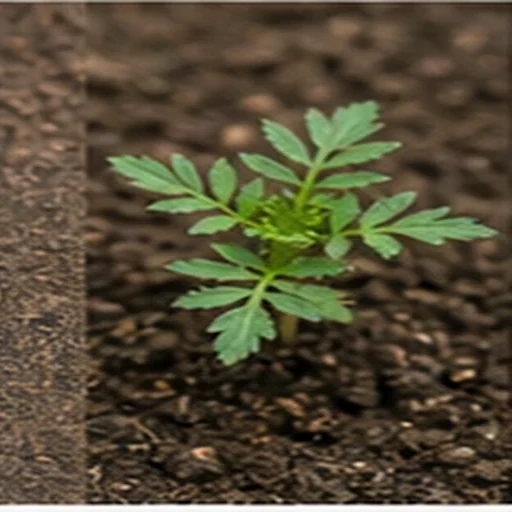
French marigolds are sown indoors 4–6 weeks before the last frost or directly after it, flower within 8 weeks and keep flowering until frost if deadheaded. They are compact (20–45 cm), tolerate poor soil and are easy in containers.
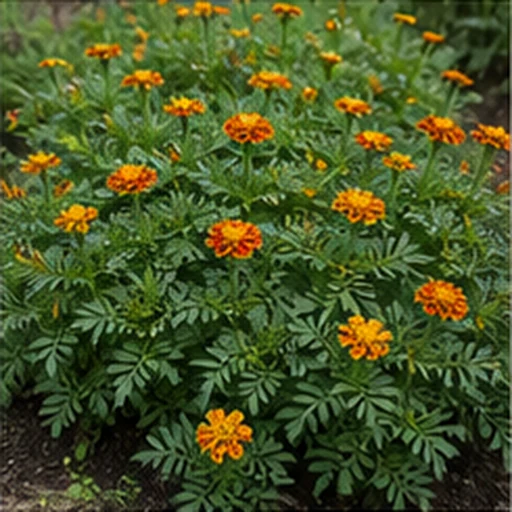
Two evidence strands are often merged into one "marigolds repel pests" claim. Conboy et al. (2019) showed that French marigolds interplanted with tomatoes in a glasshouse reduced whitefly, through airborne limonene; the effect may be weaker outdoors where volatiles disperse. Separately, Tagetes roots suppress some root-knot nematodes, but mainly when marigolds are grown as a dense cover crop for a season before the susceptible crop (Hooks et al. 2010), which is a rotation practice, not a neighbour effect.
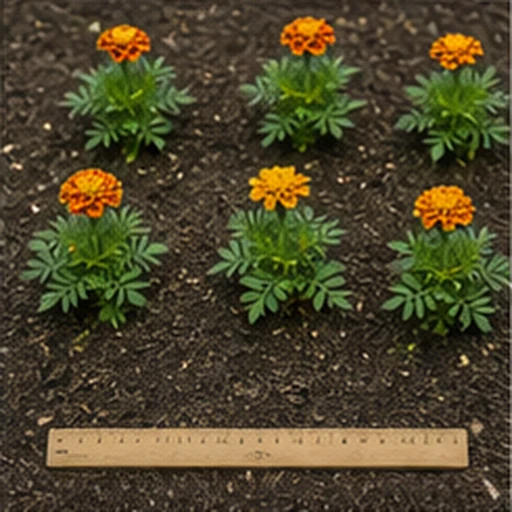
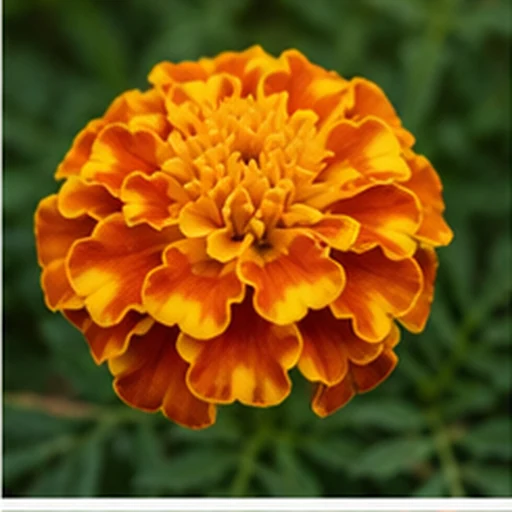
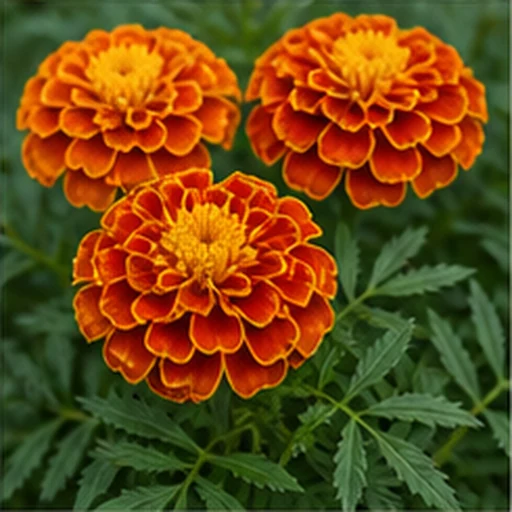
Marigolds are hosts for slugs and spider mites and their open single flowers are visited by hoverflies; double-flowered cultivars offer less.
Edible parts and safety
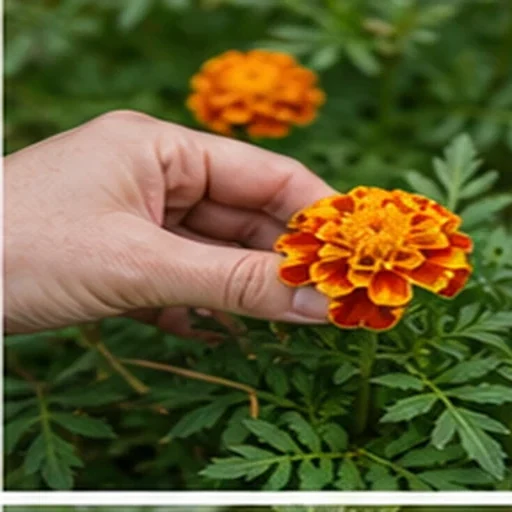
Edible: petals (sparingly). Sap can irritate skin.
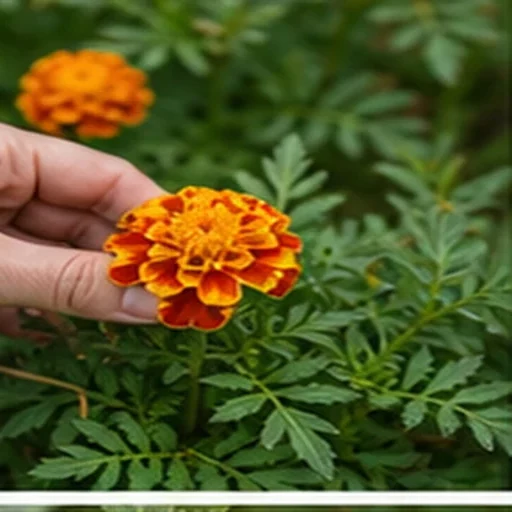
Pests and diseases
Common pests: slugs, spider mites, aphids. Common diseases: Botrytis in wet weather. These vary by region; a photograph is an example, not a diagnosis. See the pest and disease guides and your local extension service.
Timeline