Tomato alone at mature size as the visual anchor for this companion profile.

Tomato growing profile.

Tomato Companion Plants

What may help, what can compete, and where the evidence is still uncertain.

Tomato Solanum lycopersicum

Warm-season vegetable in the nightshade family. View plant profile →

Quick answer

Evidence supports or conditionally supports growing tomato with Basil, Lettuce, French marigold. Keep it apart from Corn, Potato, Raspberry, Strawberry because of shares a pest and shares disease risk. 12 traditional pairings are listed separately because the review found no adequate evidence. 6 popular pairings have no verified relationship, which is not the same as safe or harmful.

Every status below has a direction, mechanism, context and source. "No verified relationship" means we looked and found nothing usable; the planner then evaluates spacing, light, water and timing normally. How we classify evidence →

27 records

Conditional benefit (4)

Positive only when the stated conditions match; otherwise informational.
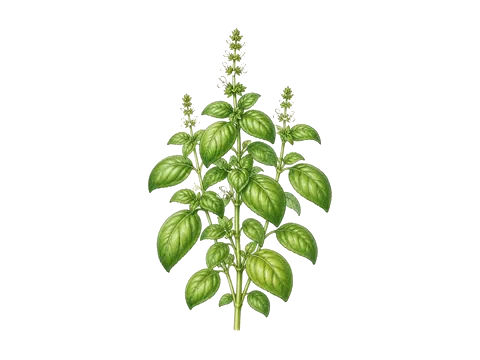
BasilOcimum basilicumConditionalSpace and shade complement Tomato and Basil affect each other (mutual)Summer · mixed · Basil 30–45 cm from tomato stems; avoi…Tier B Review: August 15, 2026
Why?

Claim. In replicated field trials, tomato–basil mixtures used land more efficiently than either crop alone at some planting densities (land equivalent ratio above 1), without any special interaction beyond ordinary competition.

Mechanism. Basil occupies the lower canopy and root zone beside taller, deeper-rooted tomatoes, so the two share space with limited competition when density is moderate.

Studied in. West Virginia, USA; biointensive beds; several densities of tomato and basil mixtures. (field)

Conditions. Transplant together after frost. Basil 30–45 cm from tomato stems; avoid crowding basil under the tomato canopy. Both are warm-season crops and overlap naturally.

Management. Prune lower tomato leaves so basil gets light; Do not increase total density beyond what each crop would have alone.

Applies when. A practical pairing because season, sun and watering needs match. The benefit is efficient use of space, not pest control or flavour.

Limitations. At high densities basil was shaded and yields fell; the study did not measure pest effects.

Evidence. Tier B: One or more relevant controlled field studies or an authoritative synthesis tied to the crop, effect and arrangement. (field trial).

Sources. Bomford 2009

Reviewed August 15, 2026 by Garden Planner editorial team (pending independent horticultural review). Record basil--tomato--spatial_complement v1. Request a correction.
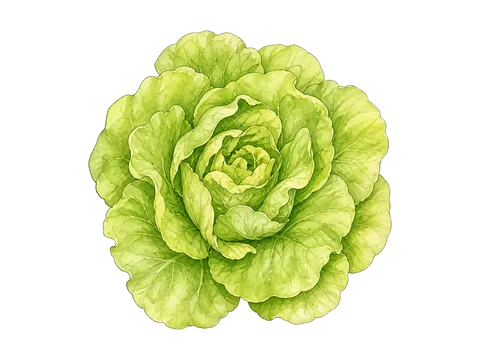
LettuceLactuca sativaConditionalShade or shelter Tomato may affect LettuceSpring–Fall · adjacent · Lettuce 30–45 cm from tomato stems on …Tier C Review: August 15, 2026
Why?

Claim. Lettuce bolts and scorches in summer heat; the partial shade cast by tomatoes on their east or north side can extend the lettuce season. This is a spatial fit, not a biological companion effect.

Mechanism. Shade lowers leaf temperature and slows bolting in a heat-sensitive crop.

Studied in. Extension guidance on summer lettuce and general intercropping synthesis. (home garden)

Conditions. Sow or plant lettuce after tomatoes are 60 cm tall, in early summer. Lettuce 30–45 cm from tomato stems on the shaded side. Only meaningful in hot weather; in spring lettuce needs full sun.

Management. Keep lettuce watered; tomato roots compete for water.

Applies when. Summer only, in climates where lettuce struggles with heat.

Limitations. Too much shade produces weak lettuce; in cool climates it is a disadvantage.

Evidence. Tier C: Indirect evidence: greenhouse or pot work, a related crop or species, or credible extension guidance with important uncertainty. (extension synthesis).

Sources. Cornell University 2024; Brooker 2015

Reviewed August 15, 2026 by Garden Planner editorial team (pending independent horticultural review). Record tomato--lettuce--shade_or_shelter v1. Request a correction.

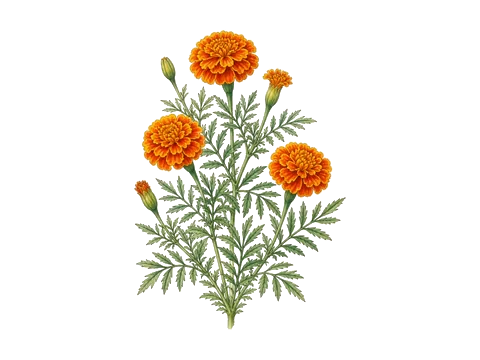
French marigoldTagetes patulaConditionalPest suppression · glasshouse whitefly French marigold may affect TomatoSummer · mixed · Marigolds interplanted among tomatoes …Tier C Review: August 15, 2026
Why?

Claim. French marigolds interplanted with tomatoes reduced glasshouse whitefly numbers in a UK glasshouse study; the effect was attributed to airborne limonene from the marigolds.

Mechanism. Volatile limonene released by marigold foliage repels or deters whitefly on nearby tomatoes.

Studied in. Glasshouse compartments with tomato and French marigold (Tagetes patula) interplanted; limonene dispensers tested separately. (protected)

Conditions. Marigolds established before whitefly arrive; present throughout. Marigolds interplanted among tomatoes at close spacing. Marigolds must be growing (not just flowering) while tomatoes are at risk.

Management. Enough marigold foliage per tomato for volatiles to accumulate; Works best in enclosed spaces.

Applies when. Most applicable in a greenhouse, polytunnel or sheltered corner; outdoors, volatiles disperse and the effect is uncertain.

Limitations. Glasshouse evidence only; no outdoor home-garden trial; no effect shown on other tomato pests.

Evidence. Tier C: Indirect evidence: greenhouse or pot work, a related crop or species, or credible extension guidance with important uncertainty. (greenhouse).

Sources. Conboy 2019

Reviewed August 15, 2026 by Garden Planner editorial team (pending independent horticultural review). Record marigold--tomato--pest_suppression v1. Request a correction.

French marigoldTagetes patulaConditionalPest suppression · root-knot nematodes French marigold may affect TomatoSummer · relay · Dense stand (about 15–20 cm spacing) a…Tier B Review: August 15, 2026
Why?

Claim. Marigolds (Tagetes) suppress some root-knot nematodes, but mainly when grown as a dense cover crop for a season before tomatoes, not as a few plants beside them.

Mechanism. Alpha-terthienyl and related compounds in Tagetes roots are toxic to certain nematode species; suppression requires the roots to occupy the soil volume.

Studied in. Review of marigold cover-crop and intercrop trials, mainly USA. (field)

Conditions. Marigolds grown for 2–3 months in the season before the tomato crop. Dense stand (about 15–20 cm spacing) across the whole bed. Does not require the two plants to grow together; this is a rotation practice.

Management. Choose tested cultivars (T. patula, T. erecta); Keep the stand weed-free; Incorporate residues before planting tomatoes.

Applies when. Only where root-knot nematodes are an identified problem (mainly warm climates and sandy soils).

Limitations. Interplanted marigolds have a much smaller effect; some nematode species are unaffected or even increase.

Evidence. Tier B: One or more relevant controlled field studies or an authoritative synthesis tied to the crop, effect and arrangement. (extension synthesis).

Sources. Hooks 2010

Reviewed August 15, 2026 by Garden Planner editorial team (pending independent horticultural review). Record marigold--tomato--pest_suppression-2 v1. Request a correction.

Traditional claim (12)

Never a hard rule; may appear as an optional experiment.

Traditional claims are shown separately because repetition across charts is not evidence. They never change a planner score; treat them as optional experiments.

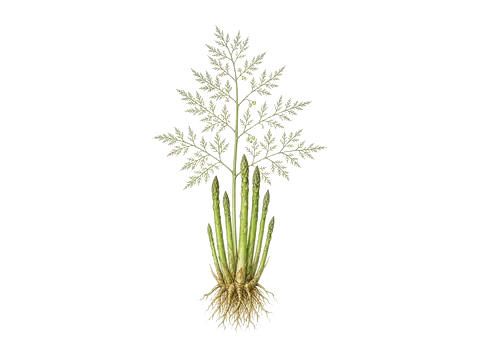
AsparagusAsparagus officinalisTraditionalPest suppression · asparagus beetle Tomato and Asparagus affect each other (mutual)Perennial · arrangement unspecifiedTier D Review: August 15, 2026
Why?

Claim. Tomatoes are said to deter asparagus beetle and asparagus to deter nematodes in tomatoes. No controlled evidence found; asparagus ferns shade summer tomatoes.

Mechanism. Proposed by tradition; not demonstrated in a controlled comparison.

Conditions. Planted together Both plants must be present at the same time.

Applies when. Optional experiment, not a guarantee.

Limitations. Asparagus is permanent and shading.

Evidence. Tier D: Traditional knowledge or structured community observations without a controlled comparison. (tradition).

Sources. University of Minnesota Extension 2023

Reviewed August 15, 2026 by Garden Planner editorial team (pending independent horticultural review). Record tomato--asparagus--pest_suppression v1. Request a correction.

BasilOcimum basilicumTraditionalFlavour or growth claim Basil may affect TomatoSummer · arrangement unspecifiedTier D Review: August 15, 2026
Why?

Claim. Gardeners widely report that basil improves tomato flavour or growth. The reviewed field study measured yields and land-use efficiency, not flavour, and found no growth effect beyond ordinary competition.

Mechanism. None demonstrated.

Conditions. Planted together Both plants must be present at the same time.

Applies when. Treat as tradition; grow the two together for convenience, not for flavour.

Limitations. No controlled flavour evaluation found.

Evidence. Tier D: Traditional knowledge or structured community observations without a controlled comparison. (tradition).

Sources. Bomford 2009; University of Minnesota Extension 2023

Reviewed August 15, 2026 by Garden Planner editorial team (pending independent horticultural review). Record basil--tomato--flavor_or_growth v1. Request a correction.

BasilOcimum basilicumTraditionalPest suppression · aphids, whitefly Basil may affect TomatoSummer · arrangement unspecifiedTier D Review: August 15, 2026
Why?

Claim. Basil is commonly said to repel aphids, whitefly and hornworms from tomatoes. The review found no field trial establishing this for basil; the volatile-repellent evidence in tomatoes is for French marigold in a glasshouse.

Mechanism. Proposed: aromatic volatiles; not demonstrated for basil in the field.

Conditions. Planted together Both plants must be present at the same time.

Applies when. Optional experiment only.

Limitations. No controlled trial found.

Evidence. Tier D: Traditional knowledge or structured community observations without a controlled comparison. (tradition).

Sources. University of Minnesota Extension 2023

Reviewed August 15, 2026 by Garden Planner editorial team (pending independent horticultural review). Record basil--tomato--pest_suppression v1. Request a correction.

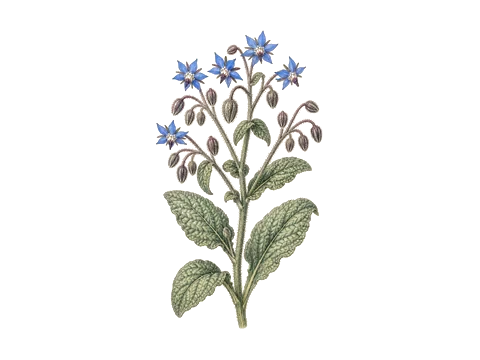
BorageBorago officinalisTraditionalPest suppression · tomato hornworm Borage may affect TomatoSummer · arrangement unspecifiedTier D Review: August 15, 2026
Why?

Claim. Borage is said to deter tomato hornworm and improve tomato growth. No controlled evidence found. Borage flowers do attract bees, which tomatoes do not need for fruit set.

Mechanism. Proposed by tradition; not demonstrated in a controlled comparison.

Conditions. Planted together Both plants must be present at the same time.

Applies when. Optional experiment, not a guarantee.

Limitations. Borage is large and deep-rooted; at close spacing it competes with tomatoes.

Evidence. Tier D: Traditional knowledge or structured community observations without a controlled comparison. (tradition).

Sources. University of Minnesota Extension 2023

Reviewed August 15, 2026 by Garden Planner editorial team (pending independent horticultural review). Record borage--tomato--pest_suppression v1. Request a correction.

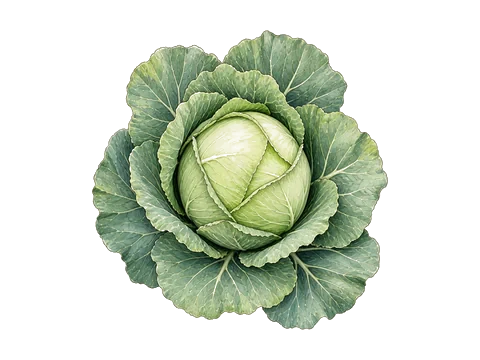
CabbageBrassica oleracea var. capitataTraditionalCompetes for root space Tomato and Cabbage affect each other (mutual)Spring–Fall · arrangement unspecifiedTier D Review: August 15, 2026
Why?

Claim. Tomatoes and cabbage-family crops are traditionally kept apart. The one field test of this tradition (tomato with Brussels sprouts) found ordinary competition and no harmful interaction.

Mechanism. Claimed by tradition; no harmful interaction demonstrated.

Conditions. Planted together Both plants must be present at the same time.

Applies when. The planner does not separate these plants on this claim; it evaluates space, light, water and timing normally.

Limitations. See the conflicting-evidence record for Brussels sprouts.

Evidence. Tier D: Traditional knowledge or structured community observations without a controlled comparison. (tradition).

Sources. Bomford 2009; University of Minnesota Extension 2023

Reviewed August 15, 2026 by Garden Planner editorial team (pending independent horticultural review). Record tomato--cabbage--root_competition v1. Request a correction.

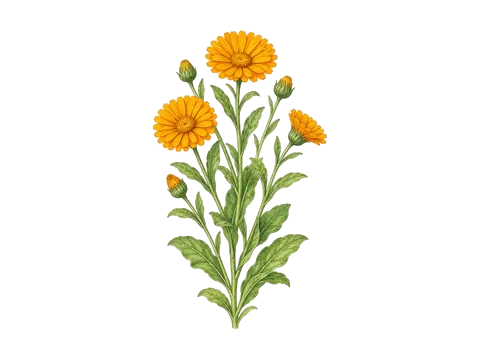
CalendulaCalendula officinalisTraditionalPest suppression · tomato hornworm, aphids Calendula may affect TomatoSpring–Fall · arrangement unspecifiedTier D Review: August 15, 2026
Why?

Claim. Calendula is said to deter tomato hornworm and aphids. No controlled evidence; calendula itself hosts aphids, and its open flowers do feed hoverflies.

Mechanism. Proposed by tradition; not demonstrated in a controlled comparison.

Conditions. Planted together Both plants must be present at the same time.

Applies when. Optional experiment, not a guarantee.

Limitations. Tradition; insectary value is general.

Evidence. Tier D: Traditional knowledge or structured community observations without a controlled comparison. (tradition).

Sources. University of Minnesota Extension 2023

Reviewed August 15, 2026 by Garden Planner editorial team (pending independent horticultural review). Record calendula--tomato--pest_suppression v1. Request a correction.

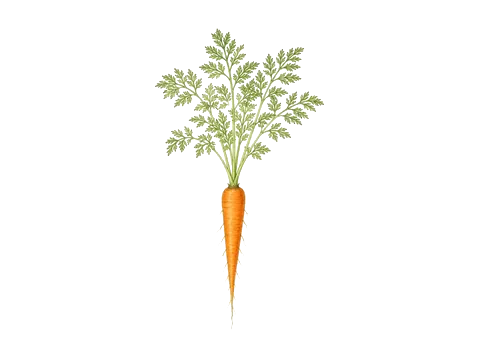
CarrotDaucus carota subsp. sativusTraditionalFlavour or growth claim Carrot may affect TomatoSpring–Fall · arrangement unspecifiedTier D Review: August 15, 2026
Why?

Claim. A popular book title aside, no study shows that carrots improve tomatoes or vice versa. Carrots do fit beneath tomatoes spatially but are shaded and compete for water as tomatoes grow.

Mechanism. Proposed by tradition; not demonstrated in a controlled comparison.

Conditions. Planted together Both plants must be present at the same time.

Applies when. Optional experiment, not a guarantee.

Limitations. Spatial fit is marginal once tomatoes are large.

Evidence. Tier D: Traditional knowledge or structured community observations without a controlled comparison. (tradition).

Sources. University of Minnesota Extension 2023

Reviewed August 15, 2026 by Garden Planner editorial team (pending independent horticultural review). Record carrot--tomato--flavor_or_growth v1. Request a correction.

CosmosCosmos bipinnatusTraditionalSupports beneficial insects Cosmos may affect TomatoSummer · arrangement unspecifiedTier D Review: August 15, 2026
Why?

Claim. Cosmos is said to attract beneficial insects that protect tomatoes. Cosmos flowers do feed hoverflies and bees, but no tomato outcome has been measured.

Mechanism. Proposed by tradition; not demonstrated in a controlled comparison.

Conditions. Planted together Both plants must be present at the same time.

Applies when. Optional experiment, not a guarantee.

Limitations. General insectary value only.

Evidence. Tier D: Traditional knowledge or structured community observations without a controlled comparison. (tradition).

Sources. University of Minnesota Extension 2023

Reviewed August 15, 2026 by Garden Planner editorial team (pending independent horticultural review). Record cosmos--tomato--insectary_support v1. Request a correction.
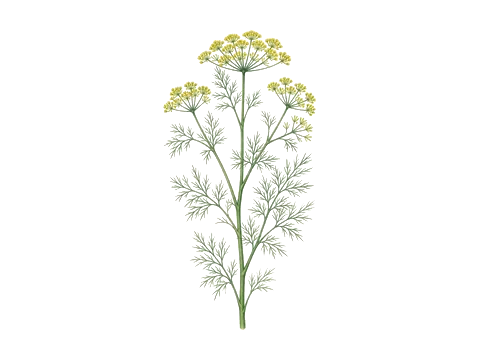
DillAnethum graveolensTraditionalFlavour or growth claim Dill may affect TomatoSpring–Fall · arrangement unspecifiedTier D Review: August 15, 2026
Why?

Claim. Mature, flowering dill is said to stunt tomatoes while young dill helps them. No controlled evidence for either; dill is tall and self-seeds, which can crowd neighbours.

Mechanism. Claimed by tradition; no harmful interaction demonstrated.

Conditions. Planted together Both plants must be present at the same time.

Applies when. The planner does not separate these plants on this claim; it evaluates space, light, water and timing normally.

Limitations. Manage dill's size and seeding.

Evidence. Tier D: Traditional knowledge or structured community observations without a controlled comparison. (tradition).

Sources. University of Minnesota Extension 2023

Reviewed August 15, 2026 by Garden Planner editorial team (pending independent horticultural review). Record dill--tomato--flavor_or_growth v1. Request a correction.
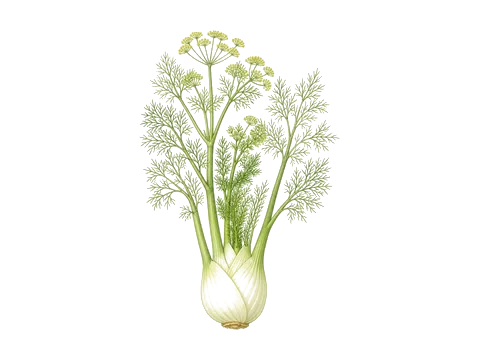
Florence fennelFoeniculum vulgare var. azoricumTraditionalAllelopathy Florence fennel may affect TomatoSpring–Fall · arrangement unspecifiedTier D Review: August 15, 2026
Why?

Claim. Fennel is widely listed as inhibiting tomatoes and most other vegetables. Laboratory bioassays find inhibitory compounds in fennel, but no field study shows an effect at garden spacing; fennel is tall, deep-rooted and a strong competitor, which explains most observations.

Mechanism. Claimed by tradition; no harmful interaction demonstrated.

Conditions. Planted together Both plants must be present at the same time.

Applies when. The planner does not separate these plants on this claim; it evaluates space, light, water and timing normally.

Limitations. Allelopathy not demonstrated in the field; competition is real.

Evidence. Tier D: Traditional knowledge or structured community observations without a controlled comparison. (tradition).

Sources. Duke 2015; University of Minnesota Extension 2023

Reviewed August 15, 2026 by Garden Planner editorial team (pending independent horticultural review). Record fennel--tomato--allelopathy v1. Request a correction.
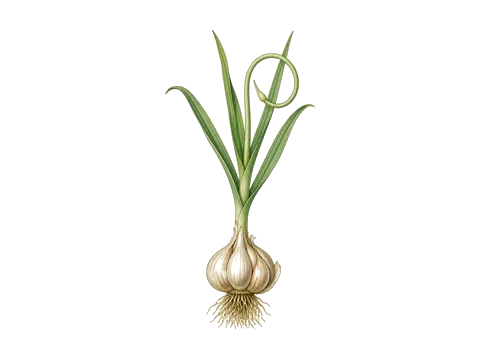
GarlicAllium sativumTraditionalPest suppression · aphids, spider mites Garlic may affect TomatoSpring–Fall · arrangement unspecifiedTier D Review: August 15, 2026
Why?

Claim. Garlic is said to repel aphids and spider mites from tomatoes. No controlled evidence for interplanted garlic found. Garlic is in the bed from autumn to early summer, so overlap with tomatoes is short.

Mechanism. Proposed by tradition; not demonstrated in a controlled comparison.

Conditions. Planted together Both plants must be present at the same time.

Applies when. Optional experiment, not a guarantee.

Limitations. Timing overlap is limited; garlic is lifted as tomatoes establish.

Evidence. Tier D: Traditional knowledge or structured community observations without a controlled comparison. (tradition).

Sources. University of Minnesota Extension 2023

Reviewed August 15, 2026 by Garden Planner editorial team (pending independent horticultural review). Record garlic--tomato--pest_suppression v1. Request a correction.
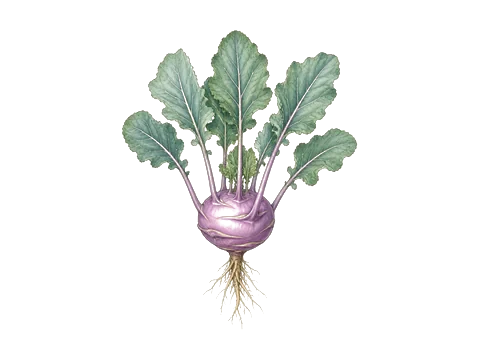
KohlrabiBrassica oleracea var. gongylodesTraditionalFlavour or growth claim Tomato and Kohlrabi affect each other (mutual)Spring–Fall · arrangement unspecifiedTier D Review: August 15, 2026
Why?

Claim. Kohlrabi and tomatoes are traditionally said to stunt each other. No evidence found for either direction.

Mechanism. Claimed by tradition; no harmful interaction demonstrated.

Conditions. Planted together Both plants must be present at the same time.

Applies when. The planner does not separate these plants on this claim; it evaluates space, light, water and timing normally.

Limitations. No mechanism identified.

Evidence. Tier D: Traditional knowledge or structured community observations without a controlled comparison. (tradition).

Sources. University of Minnesota Extension 2023

Reviewed August 15, 2026 by Garden Planner editorial team (pending independent horticultural review). Record kohlrabi--tomato--flavor_or_growth v1. Request a correction.
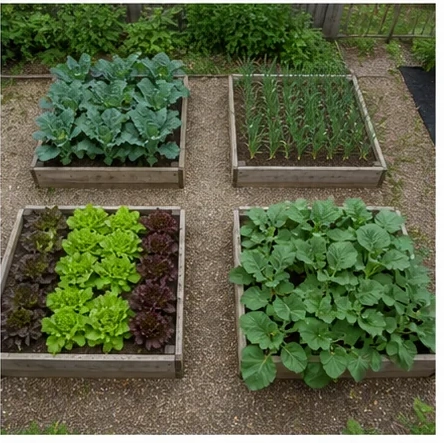
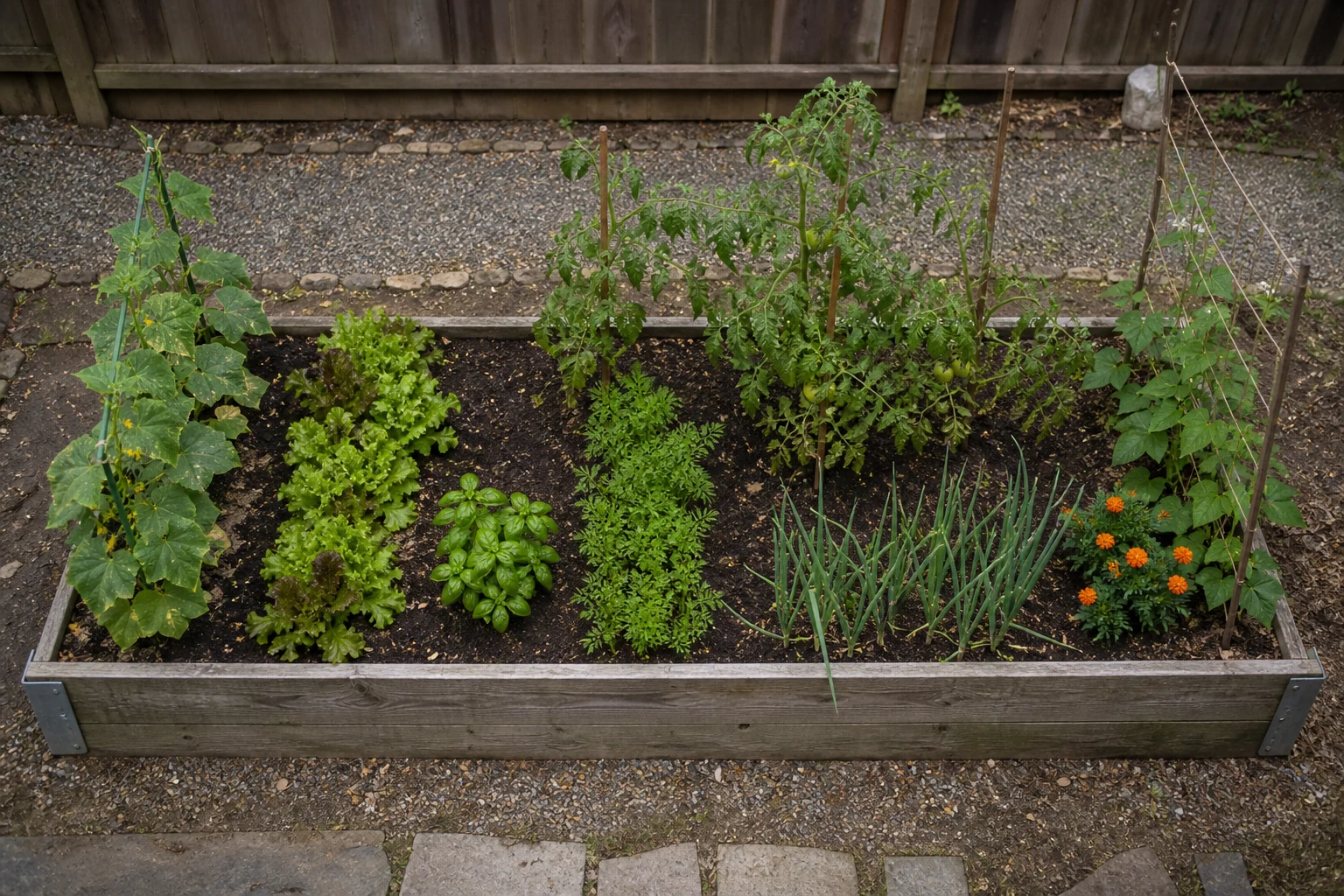
A realistic garden scene where tomato grows beside a plant with a traditional or unknown relationship.Coexistence in a photograph is not evidence that the plants affect each other.

Avoid or separate (4)

Hard constraint only for serious, applicable conflicts; otherwise a weighted warning.

Avoid records need credible negative evidence or a clear cultural incompatibility. Hard constraints are marked in the Why? panel; the rest are weighted warnings with a remedy.

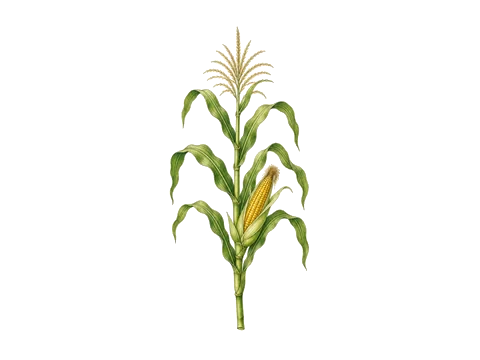
CornZea maysAvoidShares a pest · corn earworm / tomato fruitworm (Helicoverpa zea) Tomato and Corn affect each other (mutual)Summer · adjacent · Different beds or opposite ends of the…Tier B Review: August 15, 2026
Why?

Claim. Corn earworm and tomato fruitworm are the same moth. Moths emerging from corn move readily to adjacent tomatoes, so extension guidance advises separating the two crops.

Mechanism. Shared pest moving between hosts; corn silks and tomato fruit are both egg-laying sites.

Studied in. Pest biology from IPM programmes. (home garden)

Conditions. Planted together Different beds or opposite ends of the garden. Risk from corn silking until tomato harvest ends.

Management. Monitor tomatoes for entry holes when corn is silking.

Applies when. A weighted warning, not a block: the moth flies well, so separation reduces but does not remove the risk.

Limitations. Where earworm is rare (cool maritime climates) the concern is minor.

Evidence. Tier B: One or more relevant controlled field studies or an authoritative synthesis tied to the crop, effect and arrangement. (extension synthesis).

Sources. University of California Statewide Integrated Pest Management Program 2025; University of Minnesota Extension 2023

Reviewed August 15, 2026 by Garden Planner editorial team (pending independent horticultural review). Record corn--tomato--shared_pest v1. Request a correction.
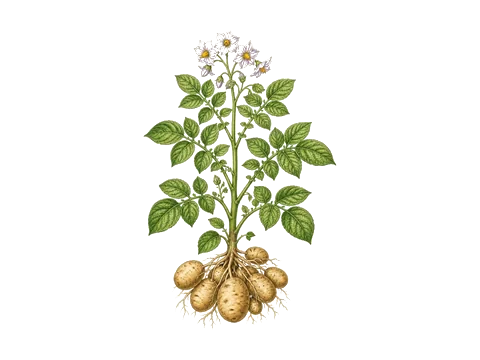
PotatoSolanum tuberosumAvoidShares disease risk · late blight (Phytophthora infestans) Tomato and Potato affect each other (mutual)Spring–Fall · adjacent · Separate beds; as far apart as the gar…Tier B Review: August 15, 2026
Why?

Claim. Potato and tomato are both hosts of late blight; spores spread readily between adjacent plants, and infected potato foliage or volunteers are a common source of tomato infection. Extension services advise keeping them apart and rotating the nightshade group.

Mechanism. Shared pathogen with airborne spores; one crop acts as an inoculum source for the other.

Studied in. Extension and IPM guidance based on pathogen biology. (home garden)

Conditions. Planted together Separate beds; as far apart as the garden allows. Risk whenever both crops have foliage during wet, mild weather.

Management. Remove volunteer potatoes; Use resistant cultivars; Destroy infected foliage promptly.

Applies when. Serious in humid or wet-summer regions; a hard constraint in the planner wherever late blight occurs.

Limitations. In dry climates with no late blight history the risk is lower; they still share Colorado potato beetle and early blight.

Evidence. Tier B: One or more relevant controlled field studies or an authoritative synthesis tied to the crop, effect and arrangement. (extension synthesis).

Sources. University of Minnesota Extension 2023; University of California Statewide Integrated Pest Management Program 2025; University of Minnesota Extension 2023

Reviewed August 15, 2026 by Garden Planner editorial team (pending independent horticultural review). Record potato--tomato--disease_risk v1. Request a correction.
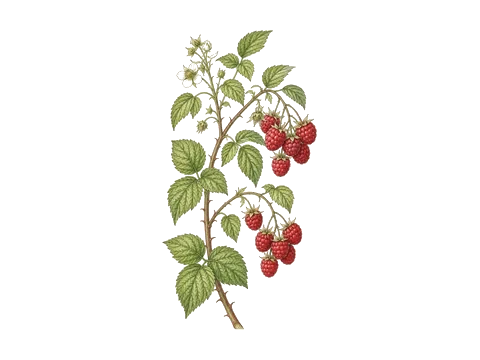
RaspberryRubus idaeusAvoidShares disease risk · Verticillium wilt Tomato and Raspberry affect each other (mutual)Perennial · adjacent · Separate area.Tier C Review: August 15, 2026
Why?

Claim. Raspberries share Verticillium wilt with nightshades; do not establish a raspberry row where tomatoes or potatoes grew recently.

Mechanism. Soil-borne pathogen.

Conditions. Planted together Separate area. Both plants must be present at the same time.

Management. Keep bed history.

Applies when. Bed-history concern for a permanent crop.

Limitations. Manageable.

Evidence. Tier C: Indirect evidence: greenhouse or pot work, a related crop or species, or credible extension guidance with important uncertainty. (extension synthesis).

Sources. University of Minnesota Extension 2023

Reviewed August 15, 2026 by Garden Planner editorial team (pending independent horticultural review). Record tomato--raspberry--disease_risk v1. Request a correction.
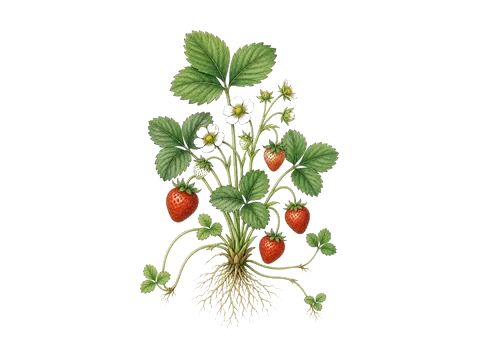
StrawberryFragaria × ananassaAvoidShares disease risk · Verticillium wilt Tomato and Strawberry affect each other (mutual)Perennial · adjacent · Different beds; do not plant strawberr…Tier C Review: August 15, 2026
Why?

Claim. Strawberries and tomatoes share Verticillium wilt, a soil-borne fungus. The main risk is planting strawberries where nightshades recently grew; adjacency in the same season adds a smaller risk through shared soil.

Mechanism. Soil-borne pathogen common to both hosts.

Conditions. Planted together Different beds; do not plant strawberries after tomatoes for 3 years. Both plants must be present at the same time.

Management. Choose resistant strawberry cultivars; Keep bed history.

Applies when. Mostly a rotation and bed-history concern.

Limitations. Manageable; many gardens never see Verticillium.

Evidence. Tier C: Indirect evidence: greenhouse or pot work, a related crop or species, or credible extension guidance with important uncertainty. (extension synthesis).

Sources. University of Minnesota Extension 2023; Royal Horticultural Society 2025

Reviewed August 15, 2026 by Garden Planner editorial team (pending independent horticultural review). Record tomato--strawberry--disease_risk v1. Request a correction.
Conflicting evidence (1)

Both findings are shown; the planner neither rewards nor blocks automatically.
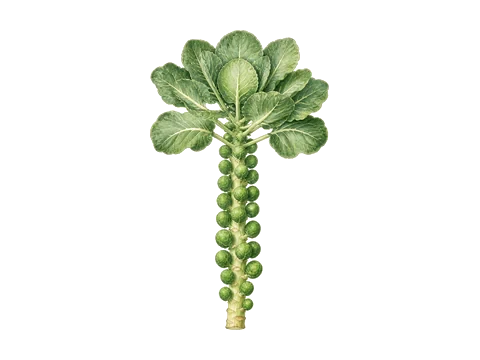
Brussels sproutsBrassica oleracea var. gemmiferaConflictingCompetes for root space Tomato and Brussels sprouts affect each other (mutual)Spring–Fall · mixedTier B Review: August 15, 2026
Why?

Claim. Popular charts say tomatoes and Brussels sprouts (and other brassicas) should not be grown together. In the same field trials that tested basil, tomato–Brussels sprout mixtures behaved like any other mixture: no harmful interaction, just competition that depended on density.

Mechanism. No inhibitory mechanism demonstrated; both are large plants that compete for light, water and nutrients at close spacing.

Studied in. West Virginia, USA; replicated field plots. (field)

Conditions. Planted together Both plants must be present at the same time.

Applies when. Neither reward nor penalty; plan by space, light and water like any two large crops. Note they belong to different rotation groups with different soil-disease risks.

Limitations. One study, one site; the tradition remains widespread.

Evidence. Tier B: One or more relevant controlled field studies or an authoritative synthesis tied to the crop, effect and arrangement. (field trial).

Sources. Bomford 2009; University of Minnesota Extension 2023

Reviewed August 15, 2026 by Garden Planner editorial team (pending independent horticultural review). Record brussels-sprouts--tomato--root_competition v1. Request a correction.
No verified relationship (6)

Zero score and an honest unknown state. Spacing, light, water and timing are evaluated normally.

No verified relationship: we did not find a source that establishes a benefit or harm for these pairs. This is not the same as "compatible".

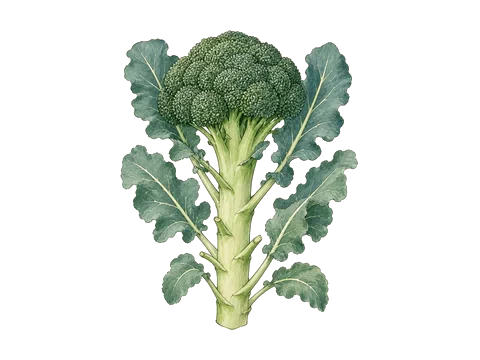
BroccoliBrassica oleracea var. italicaNo verified relationshipOther Tomato and Broccoli affect each other (mutual)Spring–Fall · arrangement unspecifiedUnknown Review: August 15, 2026
Why?

Claim. We did not find a source that establishes a benefit or harm between broccoli and tomato.

Mechanism. None documented.

Conditions. Planted together Both plants must be present at the same time.

Applies when. The planner evaluates spacing, light, water and timing normally.

Limitations. See the Brussels sprout record for the only field test of the brassica–tomato tradition; broccoli itself is untested.

Evidence. Unknown: No source meeting the inclusion rules. (none).

Sources. University of Minnesota Extension 2023

Reviewed August 15, 2026 by Garden Planner editorial team (pending independent horticultural review). Record broccoli--tomato--other v1. Request a correction.
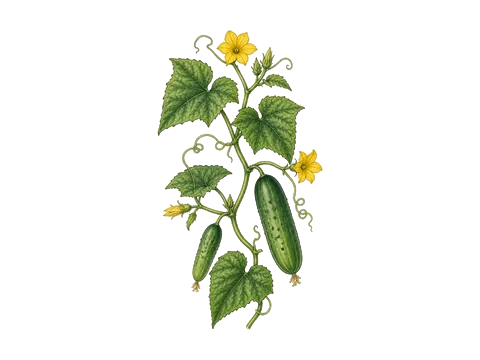
CucumberCucumis sativusNo verified relationshipOther Tomato and Cucumber affect each other (mutual)Summer · arrangement unspecifiedUnknown Review: August 15, 2026
Why?

Claim. We did not find a source that establishes a benefit or harm between tomato and cucumber.

Mechanism. None documented.

Conditions. Planted together Both plants must be present at the same time.

Applies when. The planner evaluates spacing, light, water and timing normally.

Limitations. Both are warm-season, thirsty crops; the practical question is light competition from tomatoes and space for cucumber vines, which the planner checks from plant attributes.

Evidence. Unknown: No source meeting the inclusion rules. (none).

Sources. University of Minnesota Extension 2023

Reviewed August 15, 2026 by Garden Planner editorial team (pending independent horticultural review). Record tomato--cucumber--other v1. Request a correction.
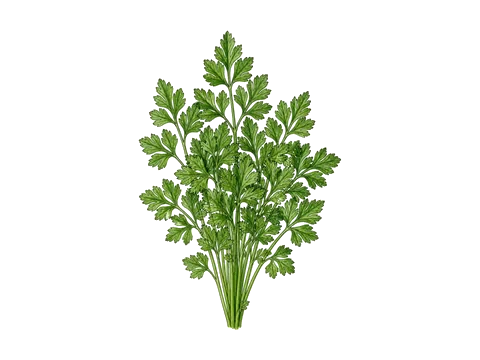
ParsleyPetroselinum crispumNo verified relationshipOther Tomato and Parsley affect each other (mutual)Spring–Fall · arrangement unspecifiedUnknown Review: August 15, 2026
Why?

Claim. We did not find a source that establishes a benefit or harm between parsley and tomato.

Mechanism. None documented.

Conditions. Planted together Both plants must be present at the same time.

Applies when. The planner evaluates spacing, light, water and timing normally.

Limitations. Traditionally paired; no evidence found.

Evidence. Unknown: No source meeting the inclusion rules. (none).

Sources. University of Minnesota Extension 2023

Reviewed August 15, 2026 by Garden Planner editorial team (pending independent horticultural review). Record parsley--tomato--other v1. Request a correction.
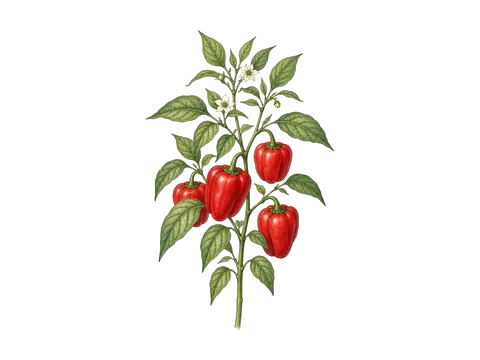
PepperCapsicum annuumNo verified relationshipOther Tomato and Pepper affect each other (mutual)Summer · arrangement unspecifiedUnknown Review: August 15, 2026
Why?

Claim. We did not find a source that establishes a benefit or harm between tomato and pepper.

Mechanism. None documented.

Conditions. Planted together Both plants must be present at the same time.

Applies when. The planner evaluates spacing, light, water and timing normally.

Limitations. Same family: no live companion effect is documented, but they share wilts and flea beetles and must rotate together. See the rotation section.

Evidence. Unknown: No source meeting the inclusion rules. (none).

Sources. University of Minnesota Extension 2023

Reviewed August 15, 2026 by Garden Planner editorial team (pending independent horticultural review). Record tomato--pepper--other v1. Request a correction.
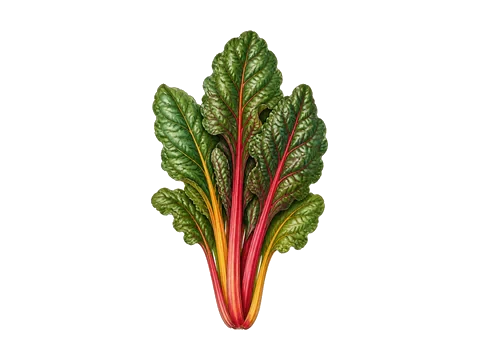
Swiss chardBeta vulgaris subsp. vulgaris (Cicla Group)No verified relationshipOther Tomato and Swiss chard affect each other (mutual)Spring–Fall · arrangement unspecifiedUnknown Review: August 15, 2026
Why?

Claim. We did not find a source that establishes a benefit or harm between swiss chard and tomato.

Mechanism. None documented.

Conditions. Planted together Both plants must be present at the same time.

Applies when. The planner evaluates spacing, light, water and timing normally.

Limitations. No relationship documented.

Evidence. Unknown: No source meeting the inclusion rules. (none).

Sources. University of Minnesota Extension 2023

Reviewed August 15, 2026 by Garden Planner editorial team (pending independent horticultural review). Record swiss-chard--tomato--other v1. Request a correction.

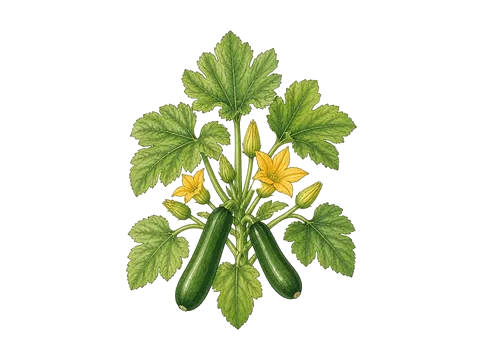
ZucchiniCucurbita pepoNo verified relationshipOther Tomato and Zucchini affect each other (mutual)Summer · arrangement unspecifiedUnknown Review: August 15, 2026
Why?

Claim. We did not find a source that establishes a benefit or harm between tomato and zucchini.

Mechanism. None documented.

Conditions. Planted together Both plants must be present at the same time.

Applies when. The planner evaluates spacing, light, water and timing normally.

Limitations. Both large, thirsty, warm-season plants; space and airflow matter, not a companion effect.

Evidence. Unknown: No source meeting the inclusion rules. (none).

Sources. University of Minnesota Extension 2023

Reviewed August 15, 2026 by Garden Planner editorial team (pending independent horticultural review). Record tomato--zucchini--other v1. Request a correction.

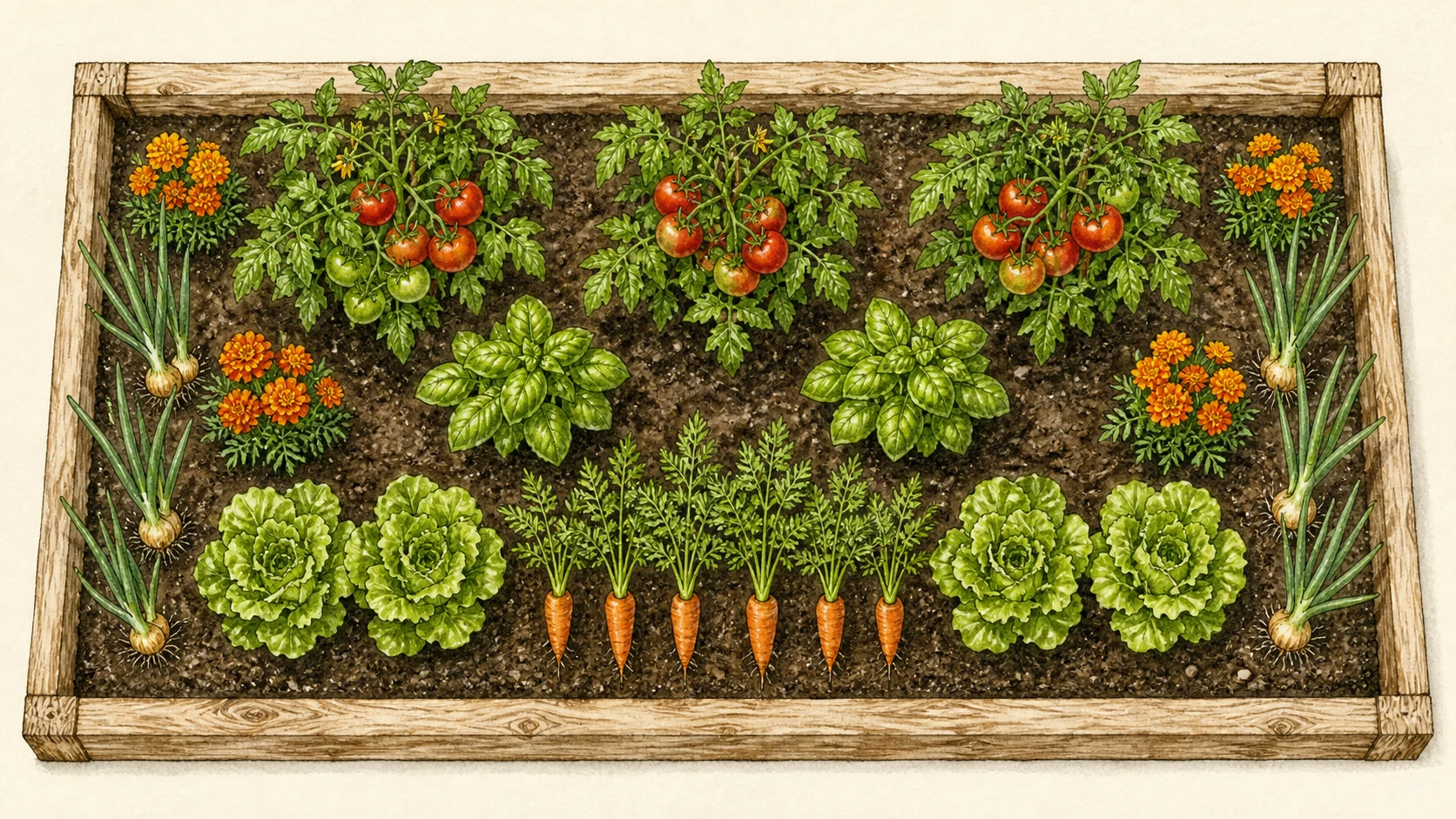
Example layout for tomato

Documented arrangement with Basil: mixed. Basil 30–45 cm from tomato stems; avoid crowding basil under the tomato canopy. Transplant together after frost.

Illustrated top-down example with Tomato and Basil in a timber bed

Worked example based on the record, not a photograph of a trial.

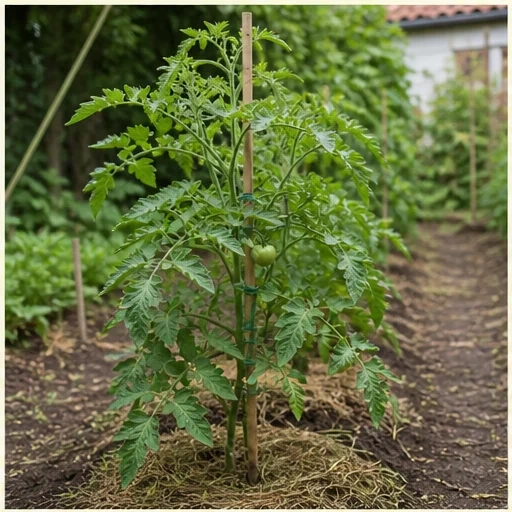
Side view of tomato (120–200 cm) beside typical companions, showing canopy, support, shade and access.

When these companions overlap

Bed occupancy in Portland, Oregon (estimates). A relationship only matters while both plants are present.

Tomato
Basil29 wk overlap
Lettuce30 wk overlap
French marigold30 wk overlap
Asparagus30 wk overlap
Borage30 wk overlap
Cabbage15 wk overlap
Calendula27 wk overlap
Carrot30 wk overlap
Cosmos30 wk overlap
Dill30 wk overlap
Overlap in weeks
Basil29 weeks
Lettuce30 weeks
French marigold30 weeks
Asparagus30 weeks
Borage30 weeks
Cabbage15 weeks
Calendula27 weeks
Carrot30 weeks
Cosmos30 weeks
Dill30 weeks

Crop rotation guidance

Rotation is about what occupied the bed in previous seasons and is calculated separately from the live companion relationships above.

Rotate tomato on a 3-year cycle with other nightshade family crops (Pepper, Eggplant, Potato). Shared risks: late blight (Phytophthora infestans), early blight, Verticillium and Fusarium wilts.

Crop rotation hub · Solanaceae family page

Physical and resource fit

  • French marigold: Tomato would shade French marigold.
  • Cabbage: Tomato would shade Cabbage.
  • Carrot: Tomato would shade Carrot.
  • Cosmos: Different water needs.

Fit checks come from plant attributes and apply even when a pairing has a positive claim.

Community observations (anecdotal)

These reports come from gardeners and are not reviewed evidence. Results vary with soil, climate and practice. Community data never changes an evidence tier or a planner score.

Reports for tomato: 0 (community submissions open in a later phase; drafts are stored only on your device).

Community-submitted photo area (moderated) with context fields: region, season, layout, varieties, outcome.
Record an observation

Evidence summary and sources

Reviewer: Garden Planner editorial team (pending independent horticultural review). Status counts on the Companions A–Z page are derived from these records. Corrections.

Related

Visual evidence on this page

Documentary and illustrated views distinguish identification, measured layout, seasonal overlap, mechanisms, coexistence examples, and community observations. Captions state what each visual can and cannot establish.

Our Methodology & Sources

We synthesize peer-reviewed research, university extension publications, and trusted horticulture resources. Our evidence levels help you understand how strong the science is behind the guidance.

Evidence tiers

Supported evidenceConsistent results from multiple robust studies
Traditional claimHistorical use reported, limited scientific support
Context dependentMixed or variable results across conditions
No verified relationshipNo reliable evidence identified

Primary source types

  • Peer-reviewed journal articles
  • University extension publications
  • Government & research institute reports
  • Systematic reviews & meta-analyses

Last updated

August 24, 2026

Learn more about our approach