Flowers for Beneficial Insects
7 min read · Reviewed August 15, 2026 · Garden Planner editorial team (pending independent horticultural review)
The mechanism
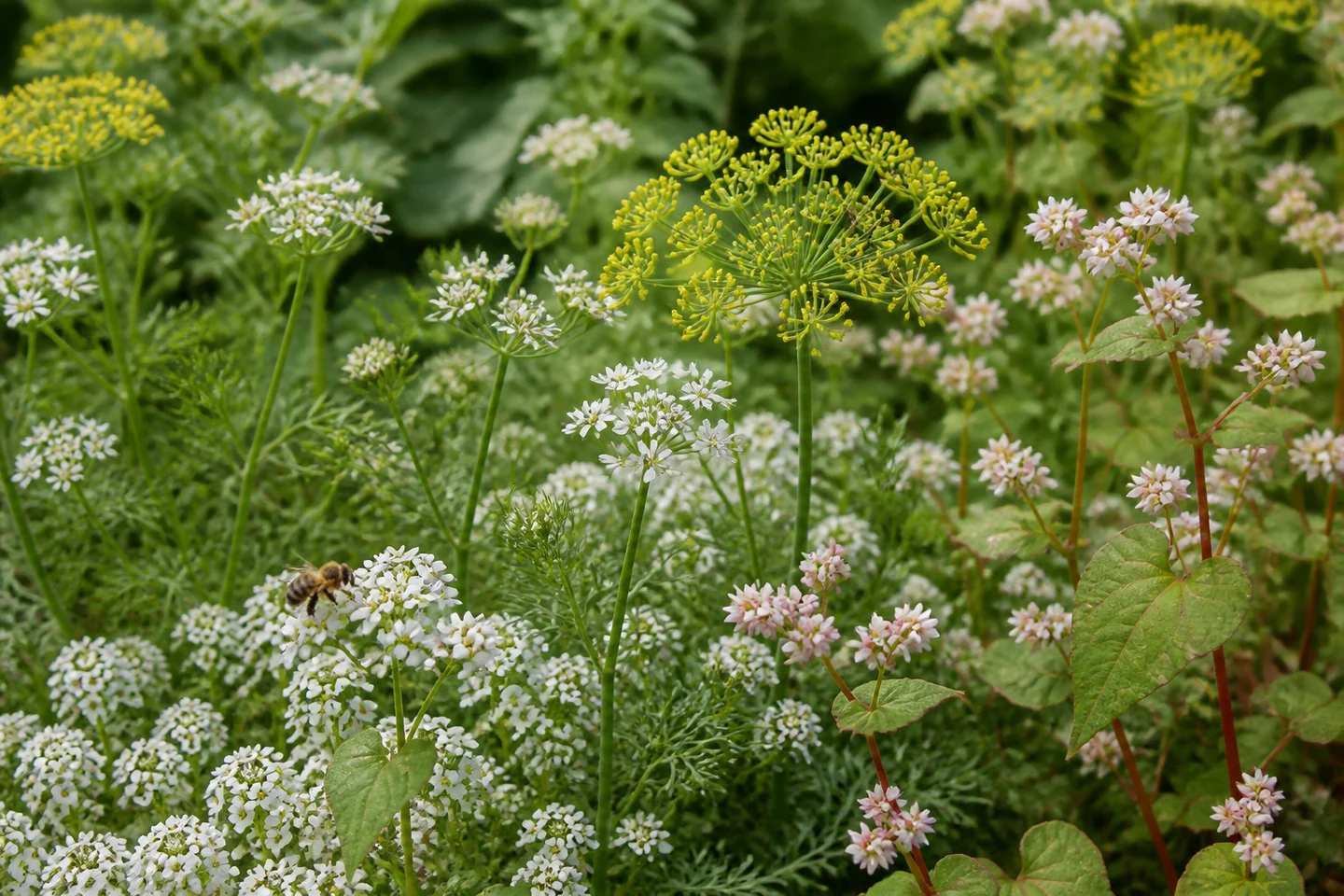
Many natural enemies of garden pests are predators only as larvae. Adult hoverflies drink nectar and eat pollen; their larvae eat aphids. Tiny parasitic wasps need sugar to live long enough to find caterpillars and aphids. A flower that those adults can actually use, flowering at the right time and close to the crop, raises the odds that they stay and lay eggs nearby. This is called insectary planting.
Which flowers
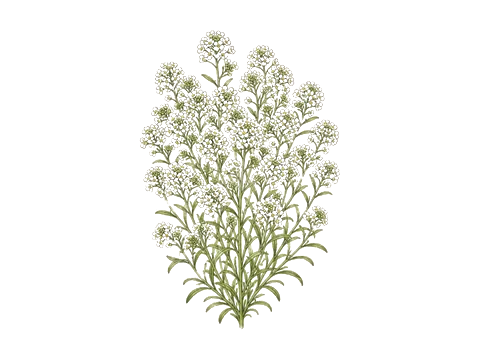
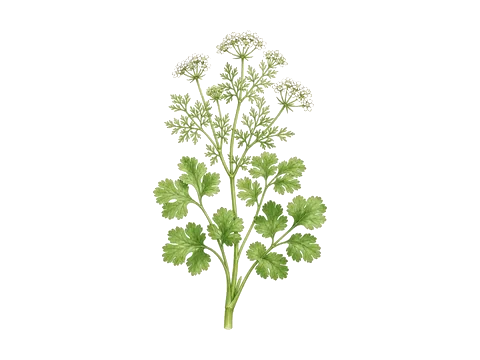
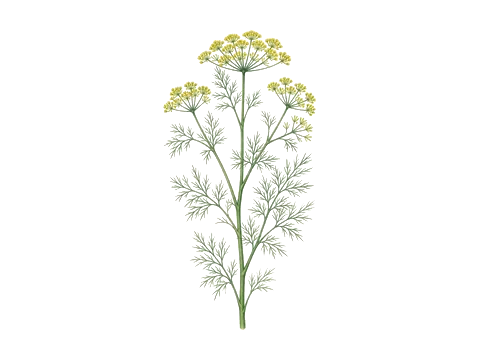
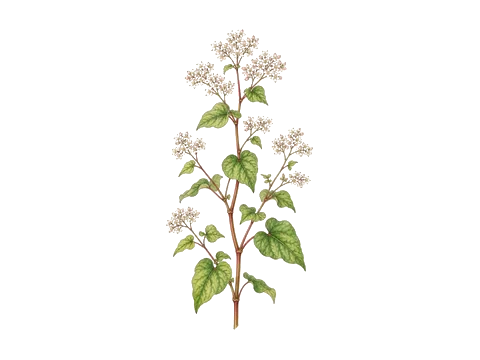
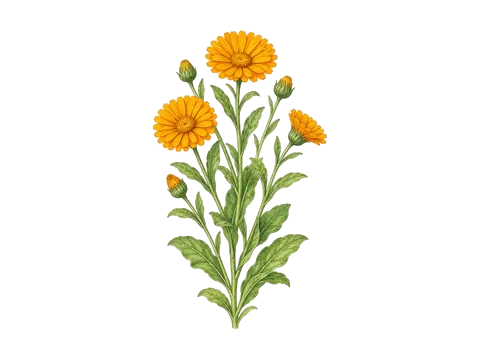
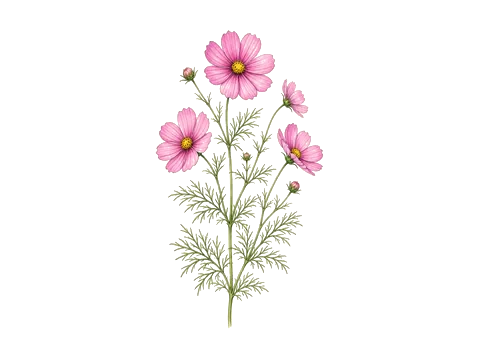
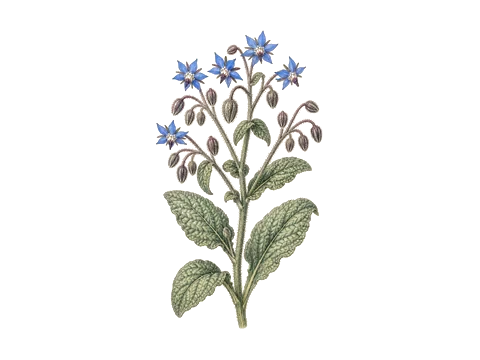
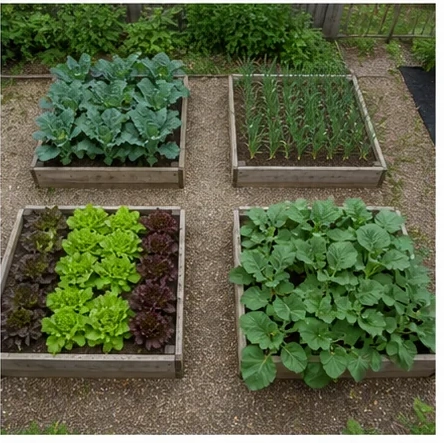
Field observations in California ranked visits to common insectary plants. Sweet alyssum, coriander (cilantro left to bolt) and buckwheat were among the most visited by hoverflies and parasitic wasps. Dill, fennel and other umbels behave similarly. Calendula, cosmos and single marigolds feed hoverflies and bees; double-flowered cultivars of any of these offer little. Borage and lavender are bee plants first.
The shape matters: hoverflies and small wasps have short mouthparts and need shallow, open flowers in clusters. Bumblebees can use deeper flowers like borage and beans.
Where and how much
The broccoli and lettuce trials are the best guide: a small share of the bed (about one alyssum for every 20–40 lettuce plants, or a strip taking 5% or less of the area) within a few metres of the crop. Doubling the flowers did not double the benefit; it added competition.
Keeping it flowering
Alyssum reblooms if sheared once in midsummer. Coriander and dill bolt and finish, so sow a pinch every three weeks. Buckwheat flowers within five weeks of sowing and must be cut before it seeds. Plan the sequence so something is open from the first aphids to the last.
Limits
The insects must already be in your area; a flowering strip invites, it does not manufacture. Alyssum is a brassica and can host flea beetles. None of this replaces checking plants and dealing with outbreaks.
Sources
- Hogg, B. N., Bugg, R. L., Daane, K. M. (2011). Attractiveness of common insectary and harvestable floral resources to beneficial insects. Biological Control. Sweet alyssum, coriander, buckwheat and some other small-flowered plants attracted hoverflies, parasitic wasps and other beneficials; attractiveness differed by plant and insect group, so 'flowers help beneficials' must be specific.
- Brennan, E. B. (2016). Agronomy of strip intercropping broccoli with alyssum for biological control of aphids. Biological Control. Sweet alyssum strips supported hoverflies (syrphids) whose larvae eat aphids; the trade-off is land and competition, which can be minimised by planting alyssum in a small share of the bed.
- Brennan, E. B. (2013). Agronomic aspects of strip intercropping lettuce with alyssum for biological control of aphids. Biological Control. Replacing a small share of lettuce plants with alyssum supported hoverflies for aphid control; low alyssum ratios limited the loss of lettuce yield.
- Letourneau, D. K., et al. (2011). Does plant diversity benefit agroecosystems? A synthetic review. Ecological Applications. Diversified cropping systems generally reduced herbivore pests and increased natural enemies compared with monocultures, with crop damage lower on average; yield responses were mixed.
Reviewer: Garden Planner editorial team (pending independent horticultural review). Last substantive review August 15, 2026. Request a correction · Methodology