How Companion Planting Really Works
8 min read · Reviewed August 15, 2026 · Garden Planner editorial team (pending independent horticultural review)
The short version
Companion planting is real, specific and conditional. It is not a list of plant friendships. Reviews of hundreds of intercropping experiments find that diversified plantings usually reduce pests and increase natural enemies, with wide variation by crop and arrangement, and often a yield cost per crop. The cases that hold up name a mechanism and the conditions it needs.
Four mechanisms with field evidence
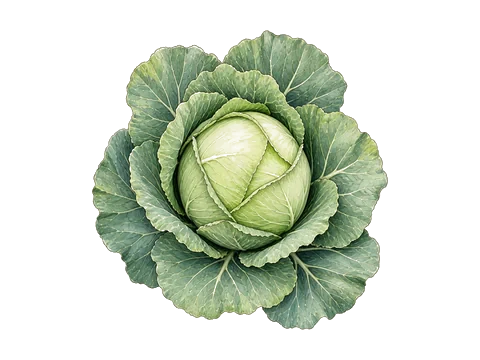
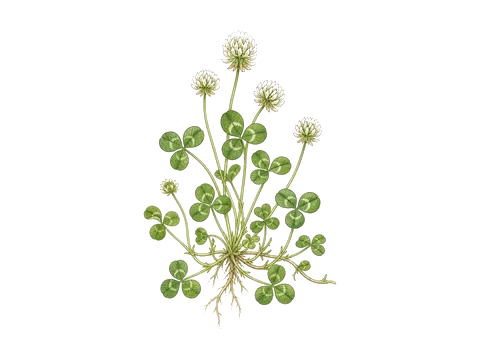
Disrupting host-finding. Cabbage root fly and other brassica pests find their host by landing repeatedly on green surfaces and checking them. Surround cabbage with a non-host ground cover such as clover and more of those landings are “inappropriate”; the insect gives up and leaves. Replicated UK and Dutch trials showed lower egg-laying and infestation, and the 2023 cabbage meta-analysis found substantially less pest injury on average. The same trials found smaller cabbages from competition unless the clover was managed. Mechanism, condition, trade-off.
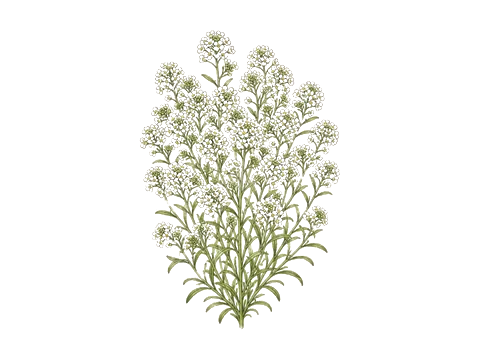
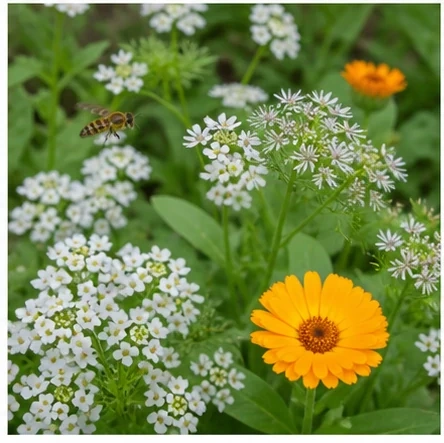
Feeding natural enemies. Adult hoverflies need nectar and pollen; their larvae eat aphids. Sweet alyssum has small open flowers they can use. In organic broccoli and lettuce, strips or scattered plants of alyssum within a few metres of the crop supported hoverfly activity against aphids, and a small share of the bed (around 5% or less) was enough. More alyssum meant more competition, not more benefit.
Trap cropping. Striped cucumber beetles strongly prefer Blue Hubbard squash. Planted as a perimeter a week or two before the main crop, the Hubbard intercepted beetles arriving at butternut fields and reduced insecticide use, because the beetles on the trap crop were then treated. Collards around cabbage did the same for diamondback moth. Without that follow-up step a trap crop is a nursery.
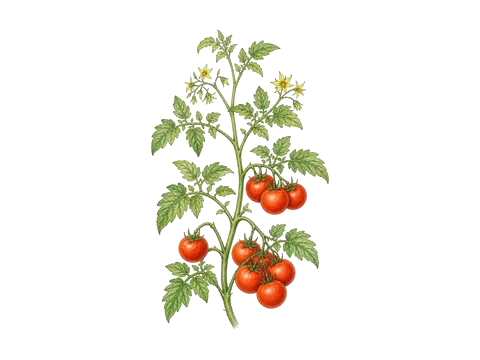
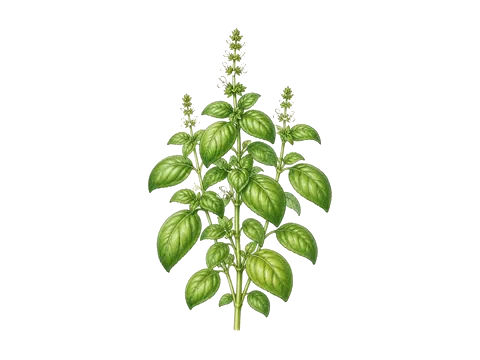
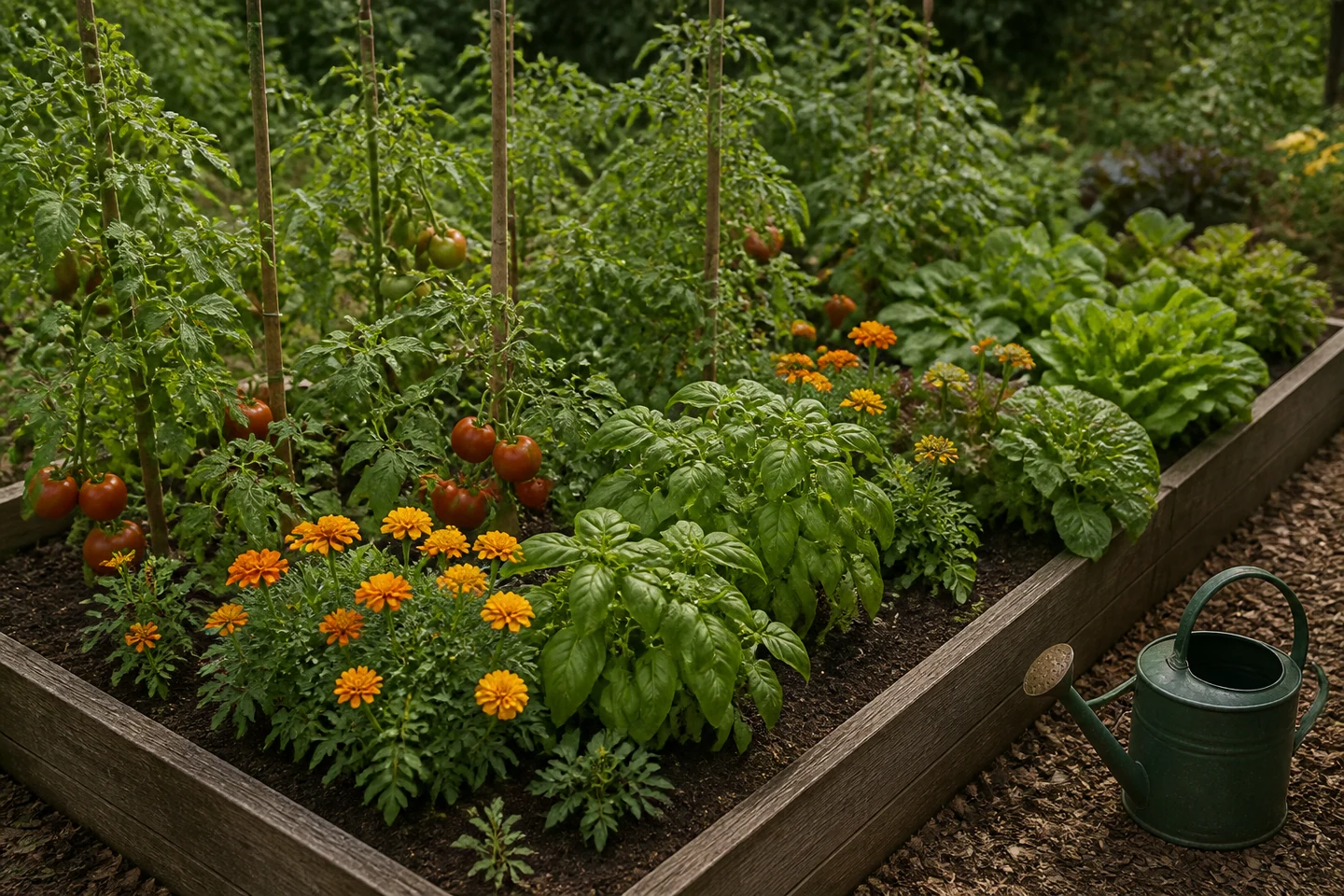
Sharing space. Corn holds up climbing beans; squash covers the ground beneath; basil uses the lower canopy and root zone beside taller tomatoes. Measured per area, the Three Sisters produced more food energy than the same crops separately, and tomato–basil mixtures had a land-equivalent ratio above one at moderate density. Nothing mysterious: complementary shapes.
What the evidence does not support
- Repellent herbs. Basil, sage, thyme, mint, rosemary and lavender are all said to repel some pest. We found no controlled trial for any of them. The one volatile-repellent result in vegetables is French marigold reducing whitefly on tomatoes in a glasshouse.
- Flavour improvement. “Basil makes tomatoes taste better” has no measured support.
- Enemies. Tomato and brassicas are listed as enemies on most charts. The one field test (tomato with Brussels sprouts) found ordinary competition and nothing else.
- Living fertiliser. Beans fix nitrogen, but most of it reaches neighbours only after the bean residues decompose.
- Allelopathy. Fennel, sunflower and walnut claims rest mostly on laboratory bioassays; see the allelopathy guide.
How to use this in a real bed
- Check timing: are the two plants in the bed at the same time? If not, no relationship applies.
- Check physical fit: light, water, soil pH, sprawl and harvest access decide placement before any claim.
- Apply a supported or conditional relationship only when you can match its conditions: arrangement, distance, planting order and management.
- Treat traditional claims as optional experiments, and run them as simple comparisons.
- Treat unknown as unknown.
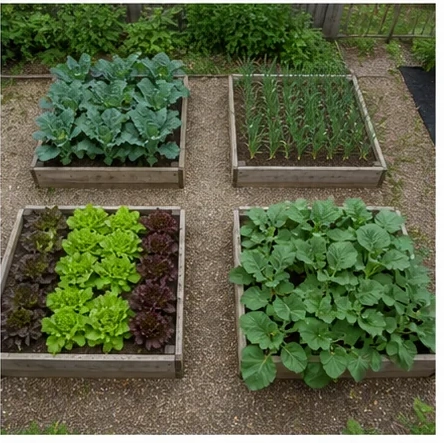
The planner follows exactly these steps and shows its reasoning for every placement, including the evidence it could not apply and why.
Sources
- University of Minnesota Extension (2023). Companion planting in home gardens. University of Minnesota Extension. Separates companion practices with research support (for example trap crops, insectary plants and physical support) from traditional pairings whose origins are hard to identify, and cautions that many popular charts are not evidence-based.
- Letourneau, D. K., et al. (2011). Does plant diversity benefit agroecosystems? A synthetic review. Ecological Applications. Diversified cropping systems generally reduced herbivore pests and increased natural enemies compared with monocultures, with crop damage lower on average; yield responses were mixed.
- Carrillo-Reche, J., et al. (2023). Cabbage intercropping synthesis. Agriculture, Ecosystems & Environment. Intercropping cabbage with companion plants substantially reduced pest injury on average, alongside a modest average reduction in cabbage productivity. These are trade-offs, not a free benefit.
- Huss, C. P., Holmes, K. D., Blubaugh, C. K. (2022). Benefits and risks of intercropping for crop resilience and pest management. Journal of Economic Entomology. Intercropping can reduce pest pressure and increase resilience, but outcomes depend on the specific combination; costs include competition, labour and management complexity.
- Finch, S., Collier, R. H. (2000). Host-plant selection by insects – a theory based on 'appropriate/inappropriate landings' by pest insects of cruciferous plants. Entomologia Experimentalis et Applicata. Non-host plants surrounding brassicas disrupted pest host-finding (inappropriate landings), reducing egg-laying by cabbage root fly and others. The effect depends on ground cover, not the identity of a 'repellent' companion.
- Brennan, E. B. (2016). Agronomy of strip intercropping broccoli with alyssum for biological control of aphids. Biological Control. Sweet alyssum strips supported hoverflies (syrphids) whose larvae eat aphids; the trade-off is land and competition, which can be minimised by planting alyssum in a small share of the bed.
- Conboy, N. J. A., McDaniel, T., Ormerod, A., George, D., Gatehouse, A. M. R., Wharton, E., Donohoe, P., Curtis, R., Tosh, C. R. (2019). Companion planting with French marigolds protects tomato plants from glasshouse whiteflies through the emission of airborne limonene. PLOS ONE. French marigolds interplanted with tomatoes reduced glasshouse whitefly numbers, and the effect was attributed to airborne limonene. The result was obtained in a glasshouse; outdoor effects may be weaker because volatiles disperse.
- Bomford, M. K. (2009). Do tomatoes love basil but hate Brussels sprouts? Competition and land-use efficiency of popularly recommended and discouraged crop mixtures in biointensive agriculture systems. Journal of Sustainable Agriculture. Tomato–basil mixtures achieved land-use efficiency above sole crops at some densities, while the popularly discouraged tomato–Brussels sprout mixture did not behave as a harmful pairing. Neither result depended on a special 'friendship'; density and competition explained the outcomes.
Reviewer: Garden Planner editorial team (pending independent horticultural review). Last substantive review August 15, 2026. Request a correction · Methodology