 Spacing & support
 Soil & water
 Support & training
 Harvest signs
 Common problems
 Container growing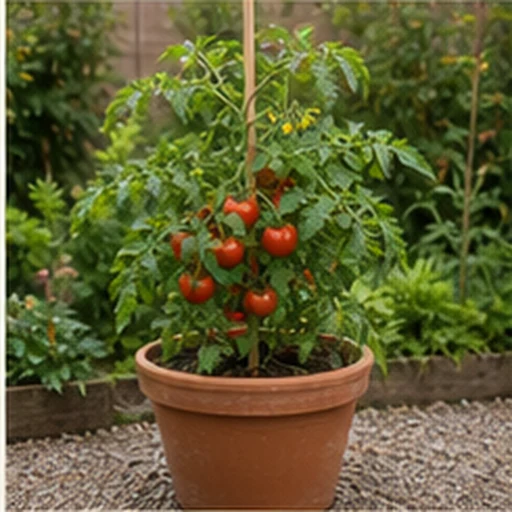
 Companion overview
 Crop rotation
 Sources, reviewer & update
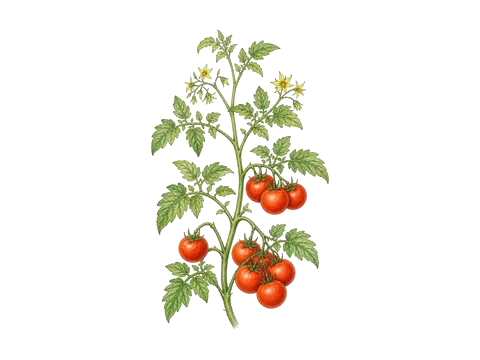
Growing tomato
Tomatoes are the most planned-for crop in home gardens and the most sensitive to cold soil. Transplants set out when nights are still below 10 °C (50 °F) sulk and often never catch up with plants set out two weeks later. In maritime and northern climates, that usually means waiting a fortnight past the average last frost date.
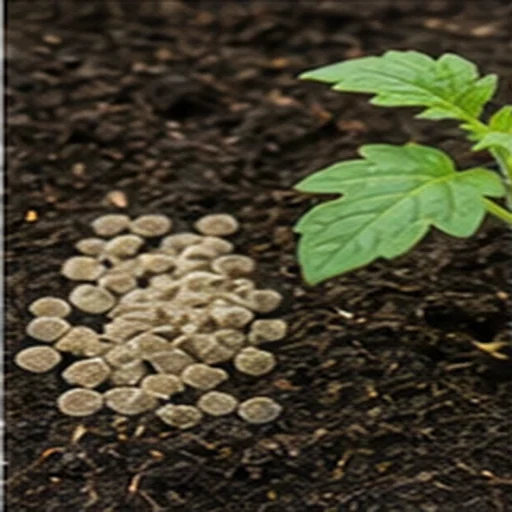
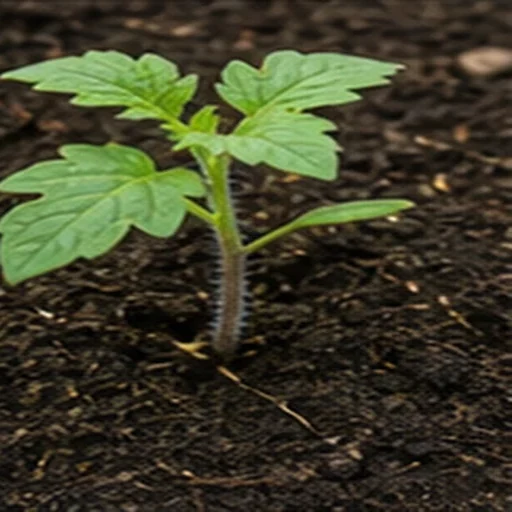
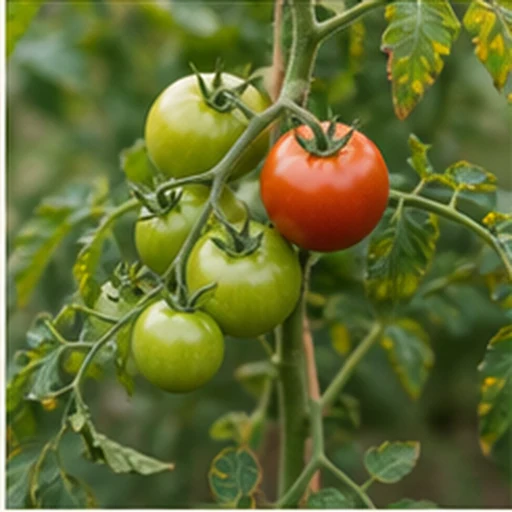
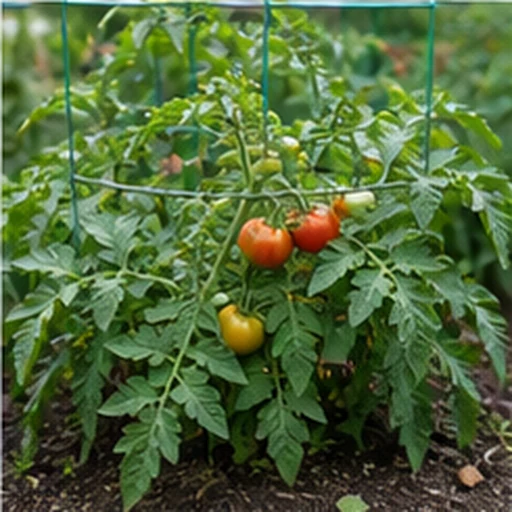
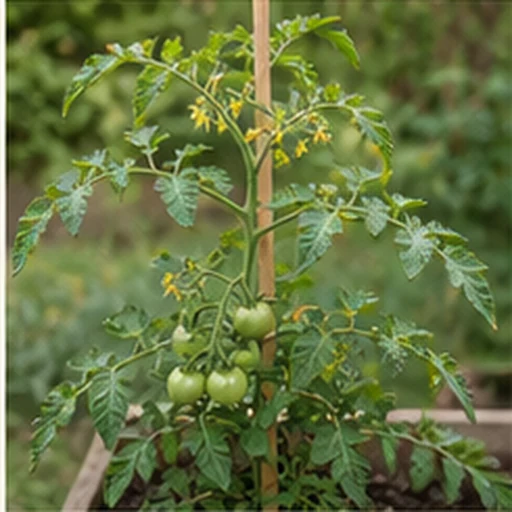
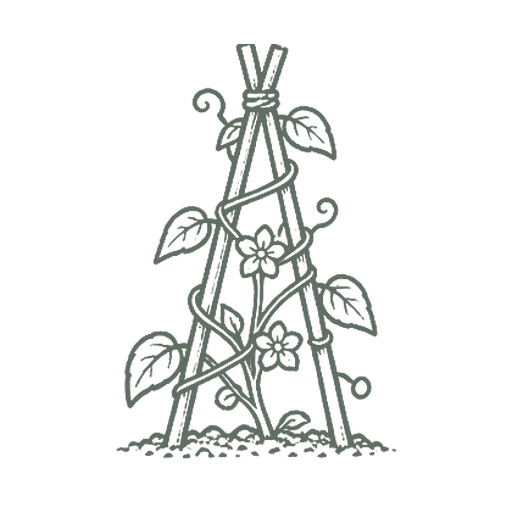
Determinate (bush) cultivars stop at a set height and ripen most fruit over a few weeks; indeterminate (cordon) cultivars keep climbing and need a strong cage, stake or string and regular tying. Consistent watering matters more than the quantity: alternating dry and wet spells causes blossom end rot and fruit cracking, which are physiological, not diseases.
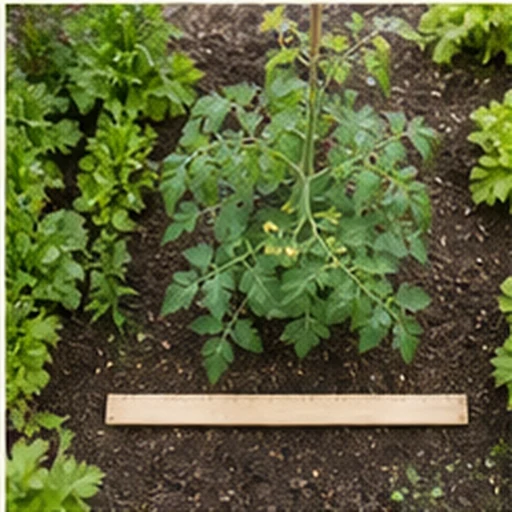
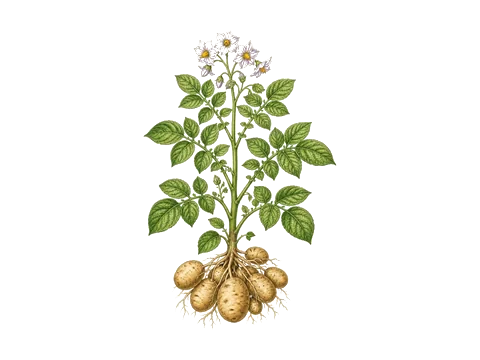
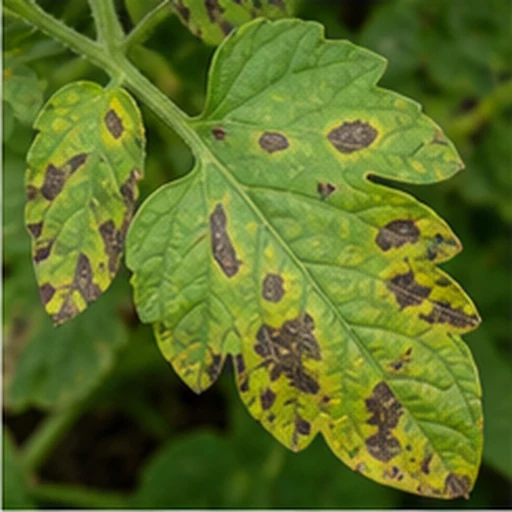
Late blight and early blight are the main disease risks in humid or wet-summer regions. Spacing for airflow, watering the soil rather than the leaves, removing lower leaves and rotating away from other nightshades reduce risk. Tomato and potato share late blight, which is why the planner treats their adjacency as a shared-disease risk rather than a companion question.
Edible parts and safety
Edible: fruit. Leaves, stems and unripe green fruit contain tomatine and should not be eaten in quantity.
Pests and diseases
Common pests: aphids, whitefly, tomato hornworm, tomato fruitworm (corn earworm). Common diseases: late blight, early blight, Septoria leaf spot, blossom end rot (physiological). These vary by region; a photograph is an example, not a diagnosis. See the pest and disease guides and your local extension service.
Timeline