Blossom End Rot: Causes and Prevention
4 min read · Reviewed August 15, 2026 · Garden Planner editorial team (pending independent horticultural review)
Identify
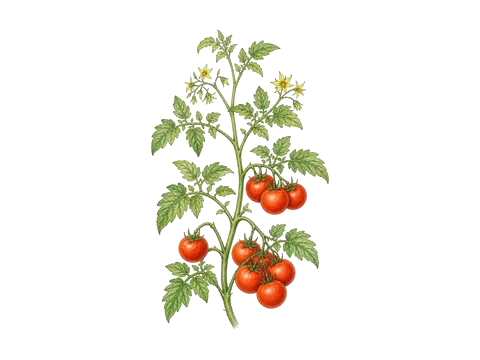
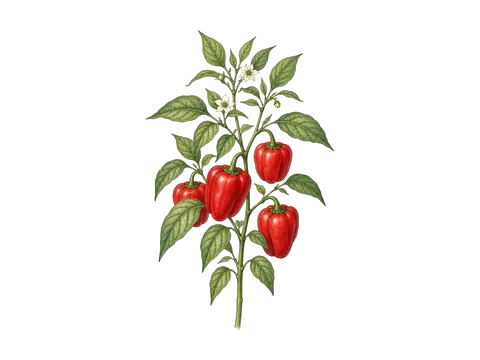
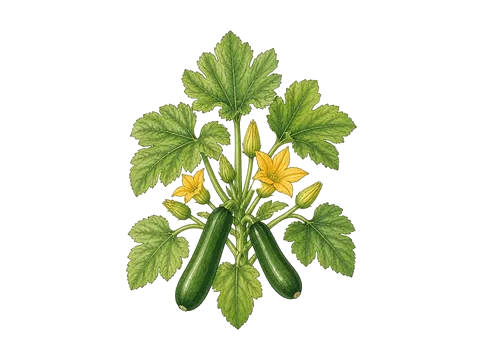
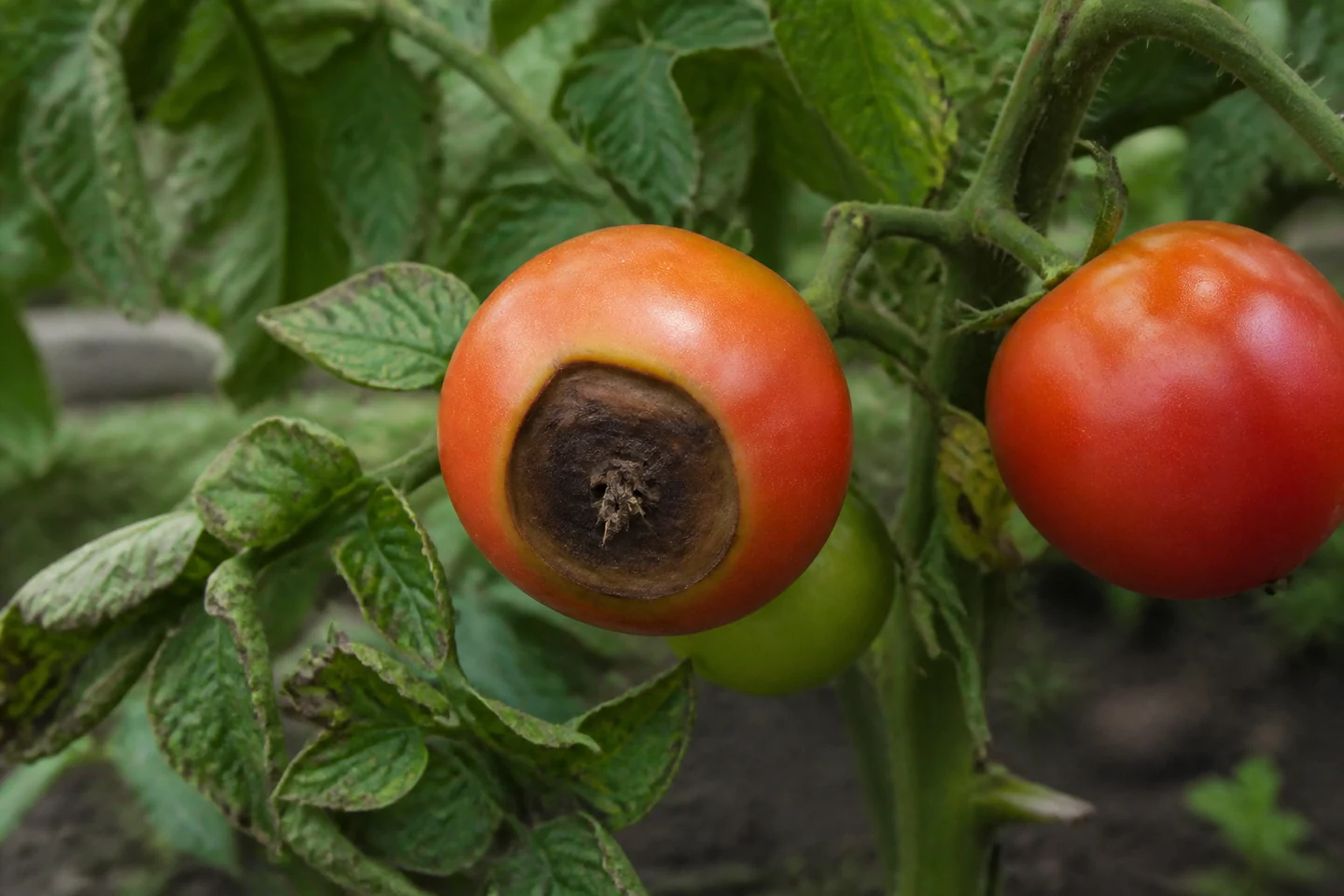
A water-soaked spot at the blossom end (opposite the stem) of a tomato, pepper or squash fruit that turns leathery, sunken and black. It is not a rot that spreads from fruit to fruit and there is no pathogen. The first fruits of the season and container plants are most affected; paste tomatoes are prone.
Cause
Calcium moves with water. When soil moisture swings from dry to wet, or roots are damaged, the fast-growing fruit tip is starved of calcium for a few days and cells die. Soil usually contains plenty of calcium; the problem is delivery.
Prevention
- Even watering: deep, regular, on a schedule; drip under mulch is ideal.
- Mulch to buffer soil moisture.
- Do not cultivate close to roots.
- Avoid heavy nitrogen and ammonium fertilisers, which compete with calcium uptake.
- In containers, never let the pot dry out; bigger pots help.
- Test soil pH; very acid soils (under 5.5) can genuinely lack available calcium, and lime fixes that over months.
What does not work
Calcium sprays on leaves, eggshells, milk and antacid tablets in the planting hole: no consistent evidence, because the limiting factor is water, not calcium supply. Affected fruit can be cut and the good part eaten; later fruit on the same plant are often fine once watering is steady.
Sources
- Cornell University, Cornell Cooperative Extension (2024). Vegetable Growing Guides. Cornell University. Crop-by-crop guidance on sowing, transplanting, spacing, days to maturity, water and common problems used for catalog culture fields.
- University of Minnesota Extension (2023). Managing plant diseases in the home garden. University of Minnesota Extension. Explains sanitation, rotation, spacing for airflow, resistant cultivars and watering practice as the core of home-garden disease management.
- Royal Horticultural Society (2025). Grow Your Own vegetables, herbs and fruit. Royal Horticultural Society. Cultivation guidance for cool-temperate maritime climates, including sowing months, spacing, support and container suitability.
Reviewer: Garden Planner editorial team (pending independent horticultural review). Last substantive review August 15, 2026. Request a correction · Methodology