Container Vegetables That Thrive
6 min read · Reviewed August 15, 2026 · Garden Planner editorial team (pending independent horticultural review)
Size is everything
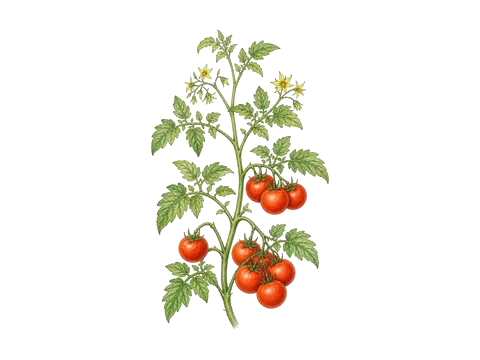
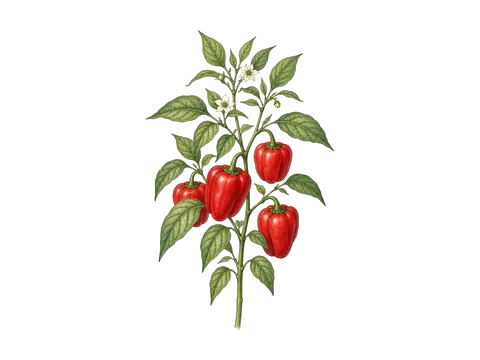
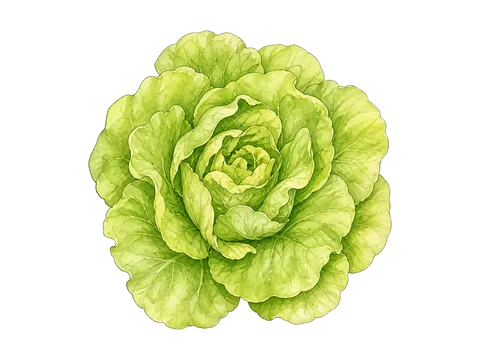
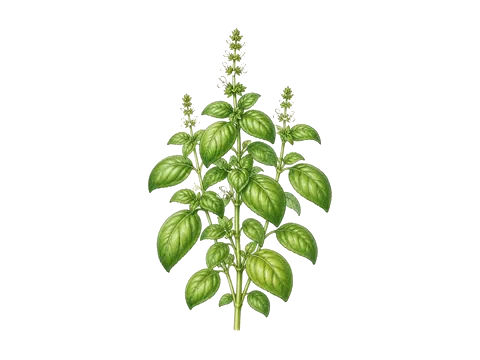
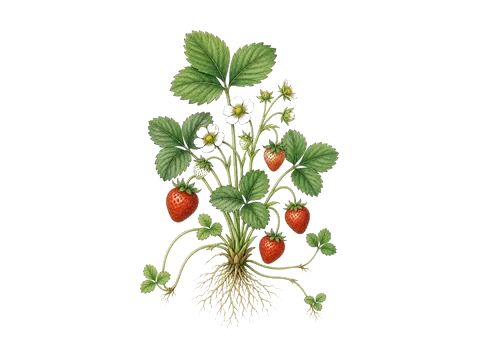
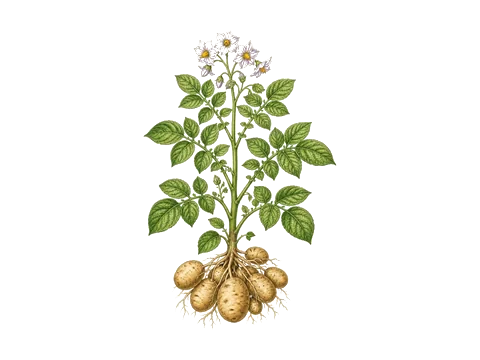
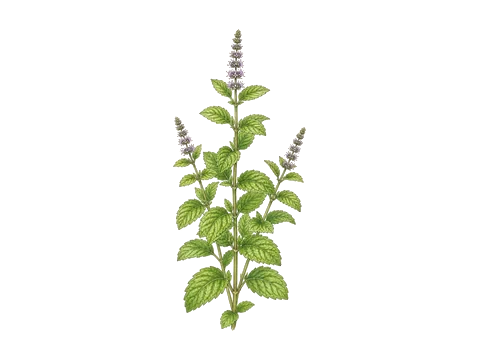
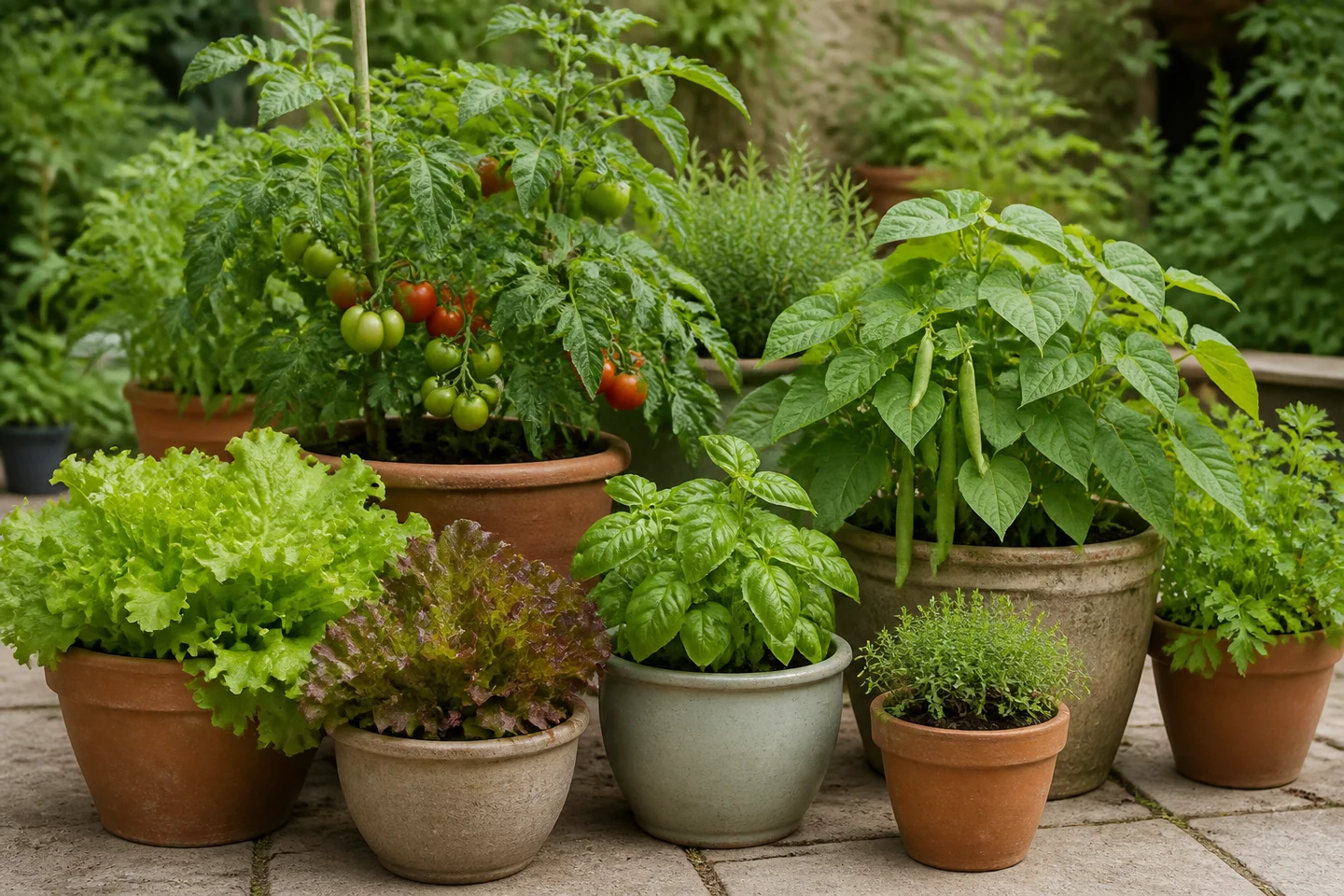
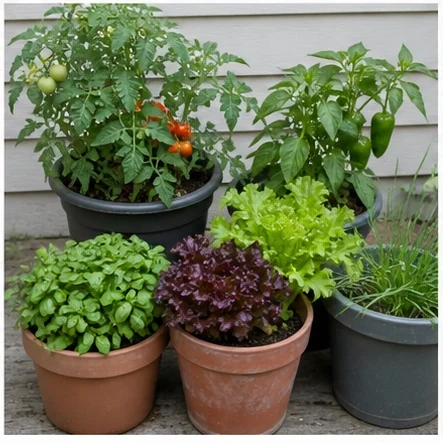
Undersized pots are the commonest failure. Minimums from the plant pages: tomato 20 L (40 cm deep), pepper and eggplant 15–20 L, zucchini 40 L, potatoes 40 L bag, bush beans and lettuce 5–10 L, basil and chives 3–5 L, strawberry 5 L per plant, blueberry 40 L of ericaceous mix, mint 10 L (always a container). Bigger is easier: more water reserve, cooler roots.
Mix, drainage, feeding
Use potting mix, not garden soil, which compacts and drains badly in a pot. Every container needs drainage holes. Nutrients wash out with watering, so feed weekly at half strength once plants are established, or mix a slow-release organic fertiliser into the top layer.
Watering
A 20 L pot with a mature tomato can need watering every day in summer and twice on hot days. Water until it runs from the base. Drip emitters on a timer turn container growing from a chore into a routine. Mulch the surface.
Support
Cages for tomatoes, a small stake for peppers, a teepee for pole beans (30 L container, 4–6 plants). Put supports in at planting.
What works
Tomatoes (determinate or compact cordon), peppers, eggplant, bush beans, lettuce and leafy greens, radishes, carrots (short cultivars), beets, basil and all the Mediterranean herbs, strawberries, dwarf blueberries, potatoes in bags, chard, kale.
What does not
Corn (needs a block for pollination), pumpkins and most winter squash, asparagus, rhubarb, Brussels sprouts, cauliflower (too unforgiving), parsnips.
Companion planting in pots
Space is the limit. A tomato and a basil share a 40 L container comfortably; a tomato and a pepper do not. The planner’s container mode uses volume and depth instead of a grid and checks each plant’s minimum.
Sources
- Royal Horticultural Society (2025). Grow Your Own vegetables, herbs and fruit. Royal Horticultural Society. Cultivation guidance for cool-temperate maritime climates, including sowing months, spacing, support and container suitability.
- Cornell University, Cornell Cooperative Extension (2024). Vegetable Growing Guides. Cornell University. Crop-by-crop guidance on sowing, transplanting, spacing, days to maturity, water and common problems used for catalog culture fields.
Reviewer: Garden Planner editorial team (pending independent horticultural review). Last substantive review August 15, 2026. Request a correction · Methodology