 Spacing & support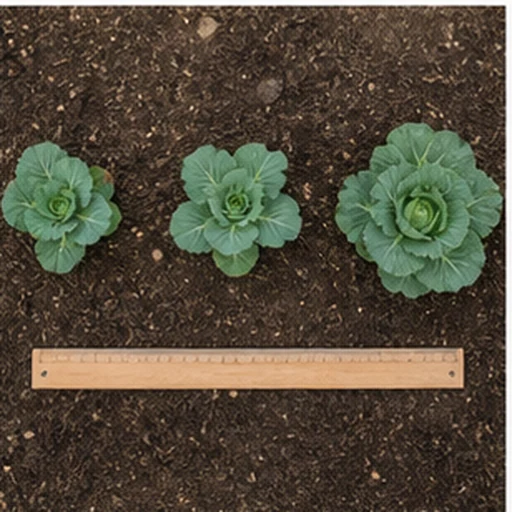
 Soil & water
 Support & training
 Harvest signs
 Common problems
 Container growing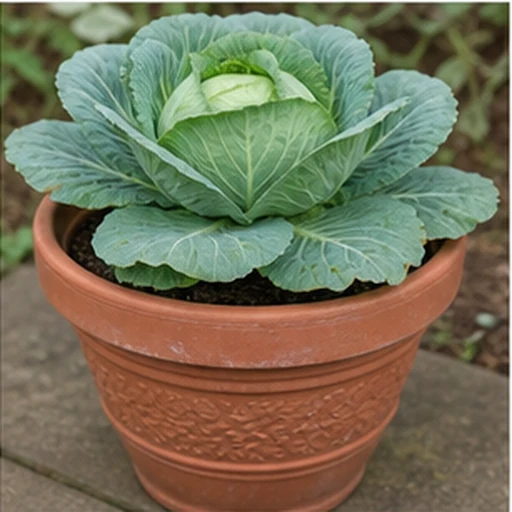
 Companion overview
 Crop rotation
 Sources, reviewer & update
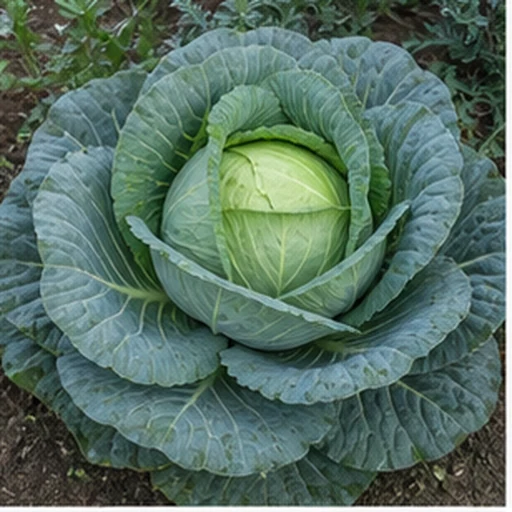
Growing cabbage
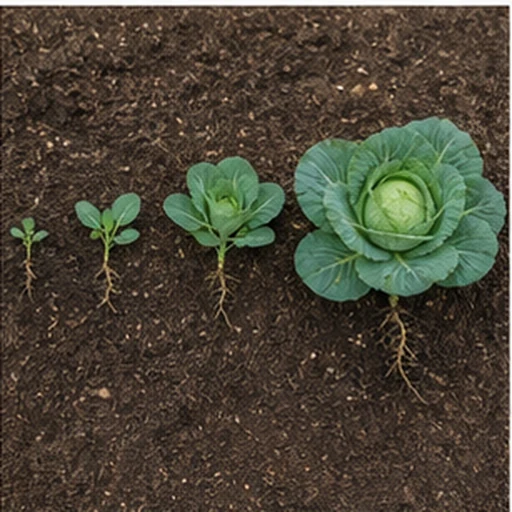
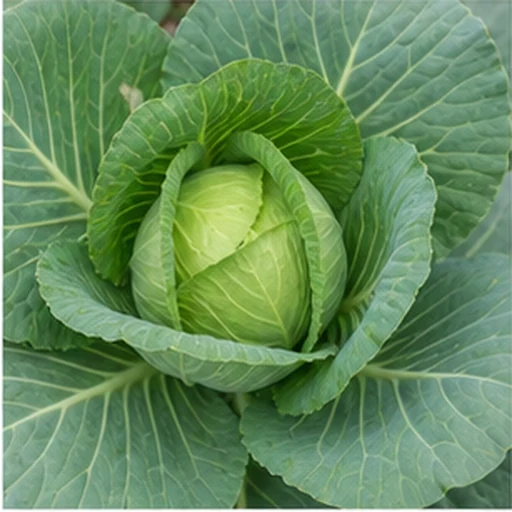
Cabbage is started indoors 6–8 weeks before the last frost and transplanted 2–4 weeks before it; the plants tolerate frost but heads split and bolt in summer heat, so spring crops should mature before the hottest weeks. A second planting in midsummer gives autumn and winter heads.
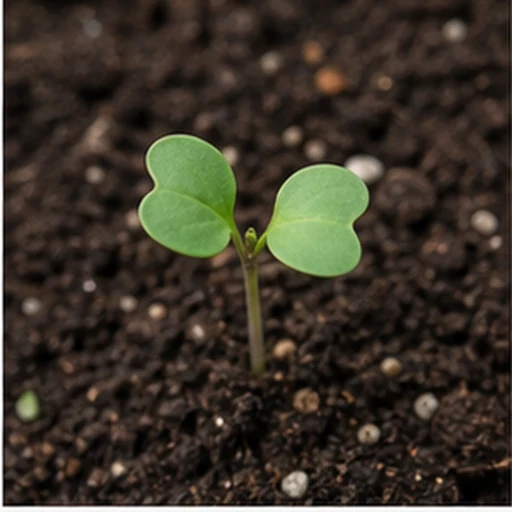
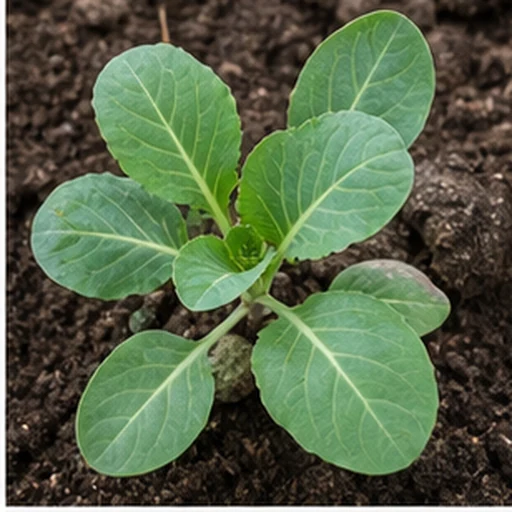
Cabbage is one of the few vegetables with a real body of companion and intercropping research. Undersowing with clover and surrounding with non-host plants disrupts egg-laying by cabbage root fly and other pests (the "appropriate/inappropriate landings" effect), and a 2023 meta-analysis found substantially lower pest injury from intercropping alongside a modest average yield cost from competition.
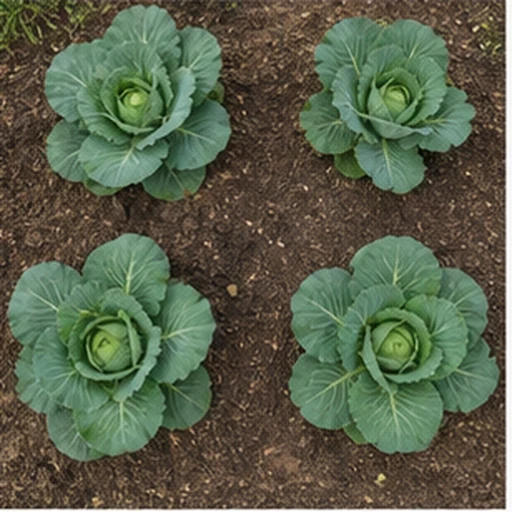
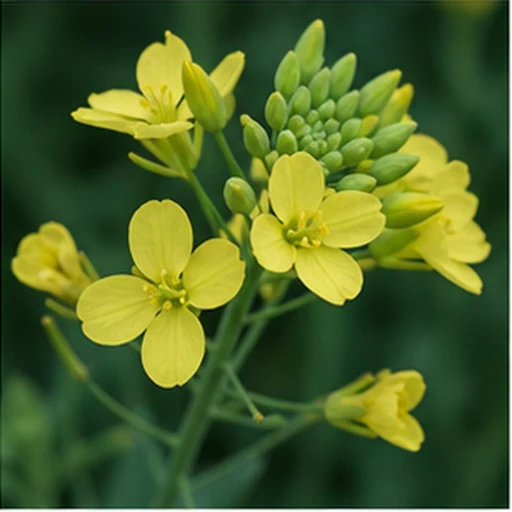
Cabbage white caterpillars, cabbage root fly, diamondback moth, flea beetles and aphids are the routine pests; fine mesh over the crop from transplanting is the simplest protection. Clubroot persists in soil for many years, so rotate all brassicas as one group and keep pH near 7.
Edible parts and safety
Edible: leaves (head).
Pests and diseases
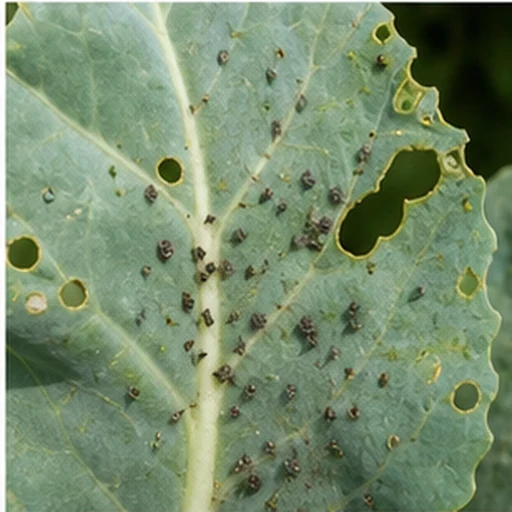
Common pests: cabbage white caterpillars, cabbage root fly, diamondback moth, flea beetles, cabbage aphid. Common diseases: clubroot, black rot, downy mildew. These vary by region; a photograph is an example, not a diagnosis. See the pest and disease guides and your local extension service.
Timeline