
Vegetable Cool season
Brassicaceae — Cabbage family
13 supported plants, rotated as one group on a 3-year cycle.
Shared risks
- clubroot
- cabbage root fly
- cabbage white caterpillars
- diamondback moth
- flea beetles
- cabbage aphid
Named risks, not an arbitrary score: these are the organisms that carry over in soil, debris or volunteers.
Rotation guidance
Leave 3 years before returning any cabbage family member to the same bed. Rotation concerns previous seasons in a bed; it is separate from which plants grow together now.
- Clubroot persists in soil for many years; rotation alone is not a cure but slows build-up.
- Radish and arugula are short crops that still count as brassica occupancy for rotation.
- Sweet alyssum (Lobularia maritima) is a brassica: it can host flea beetles and clubroot even though it is grown as an insectary flower.
Catalog members
 Vegetable
 Cool season
Vegetable Cool season
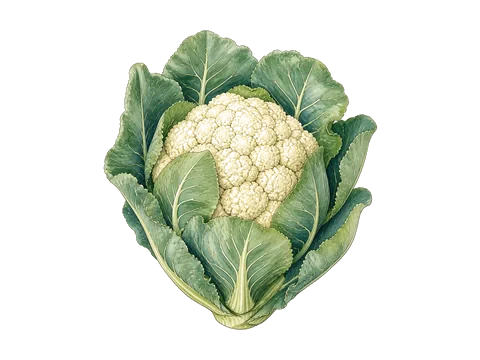
Vegetable Cool season
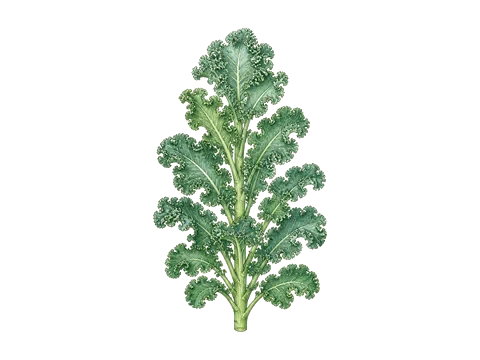
Vegetable Cool season
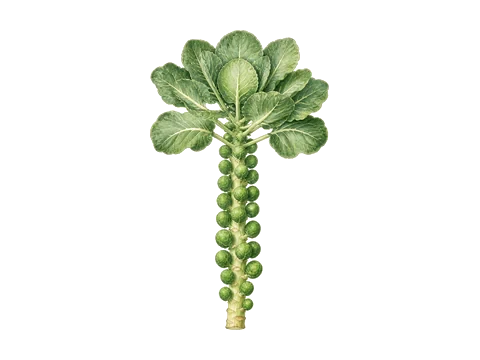
Vegetable Cool season
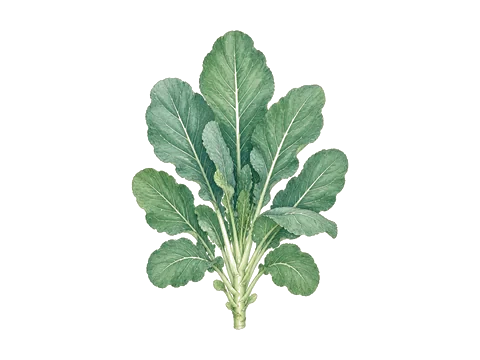
Vegetable Cool season
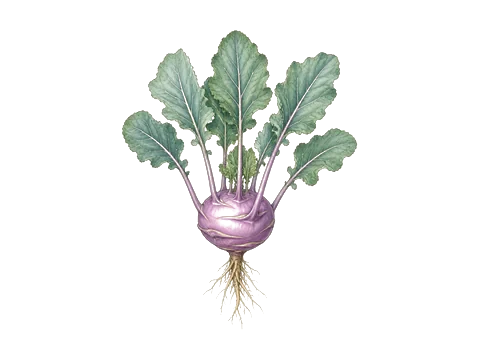
Vegetable Cool season
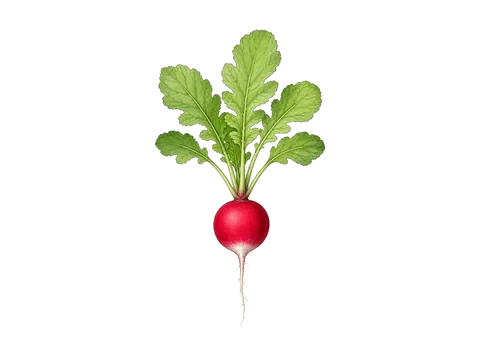
Vegetable Cool season
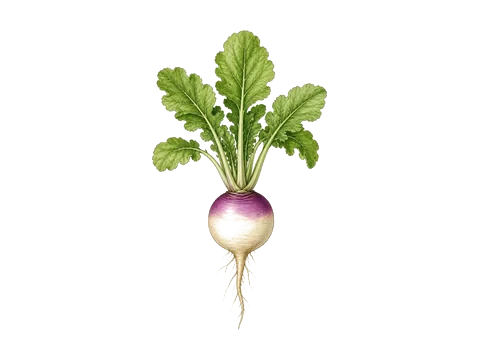
Vegetable Cool season
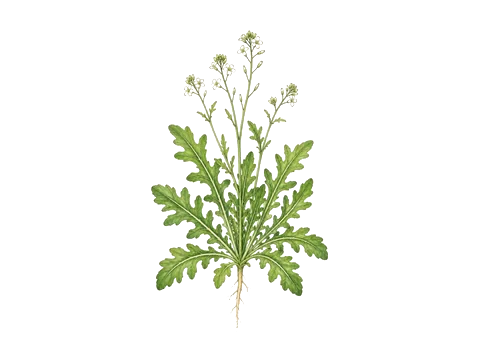
Vegetable Cool season
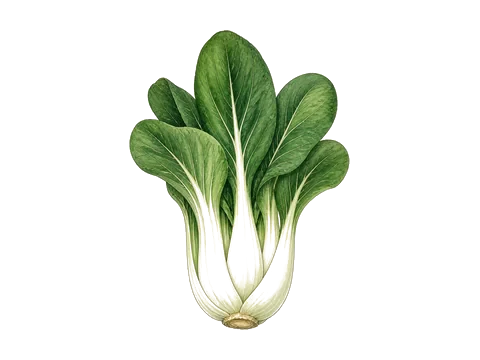
Vegetable Cool season
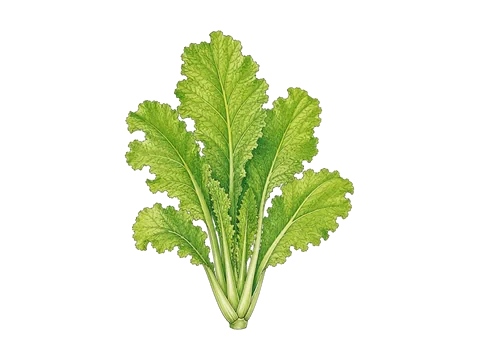
Vegetable Cool season
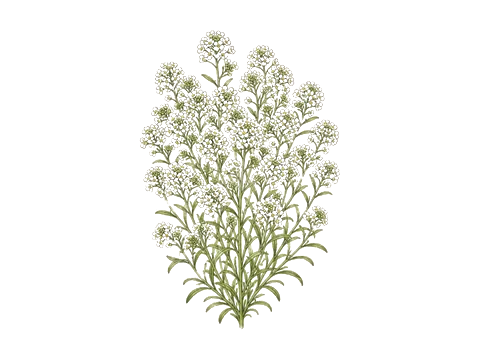
Flower Cool season
 Flower
Exceptions and small-garden notes
Short crops (radish, arugula, baby leaves) still count as occupancy for the family. In a garden with one or two beds, strict rotation is impossible; instead, alternate families within a bed by half, remove crop debris, choose resistant cultivars and keep a bed history so the planner can warn you.
Other families: Solanaceae · Fabaceae · Cucurbitaceae · Apiaceae · Asteraceae · Amaryllidaceae · Lamiaceae · Amaranthaceae · Poaceae · Rosaceae · Other families