
Vegetable Cool season
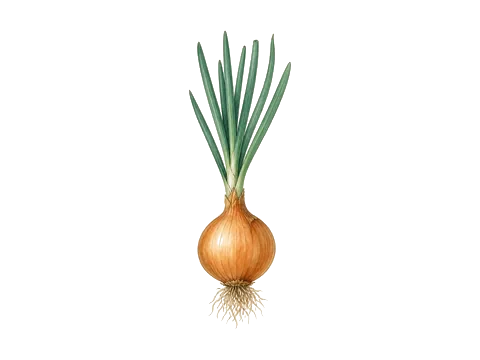
Amaryllidaceae — Onion family
4 supported plants, rotated as one group on a 3-year cycle.
Shared risks
- onion white rot
- downy mildew
- onion fly
- leek moth
- thrips
Named risks, not an arbitrary score: these are the organisms that carry over in soil, debris or volunteers.
Rotation guidance
Leave 3 years before returning any onion family member to the same bed. Rotation concerns previous seasons in a bed; it is separate from which plants grow together now.
- White rot persists for over a decade; never replant alliums in infected soil.
- Most 'alliums repel pests' claims are tradition; the carrot-fly evidence is conditional.
Catalog members
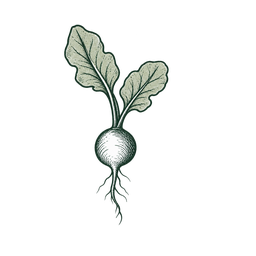 Vegetable
 Cool season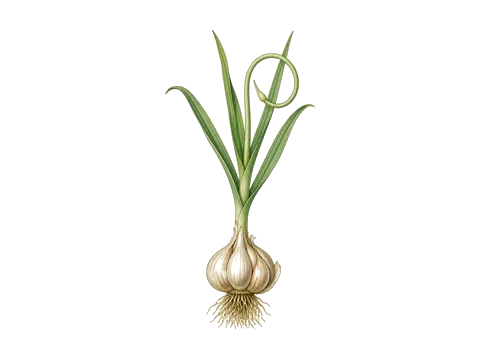
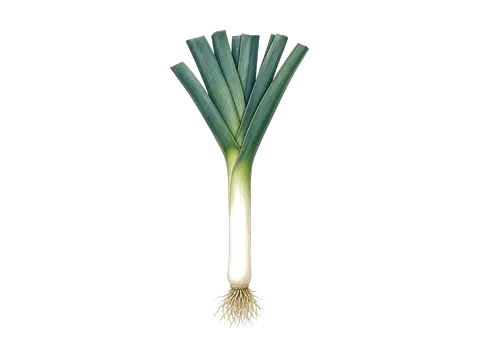
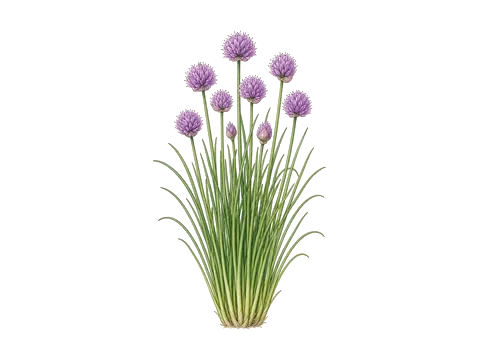
 Herb
Herb Perennial
Exceptions and small-garden notes
Short crops (radish, arugula, baby leaves) still count as occupancy for the family. In a garden with one or two beds, strict rotation is impossible; instead, alternate families within a bed by half, remove crop debris, choose resistant cultivars and keep a bed history so the planner can warn you.
Other families: Solanaceae · Brassicaceae · Fabaceae · Cucurbitaceae · Apiaceae · Asteraceae · Lamiaceae · Amaranthaceae · Poaceae · Rosaceae · Other families