 Spacing & support
 Soil & water
 Support & training
 Harvest signs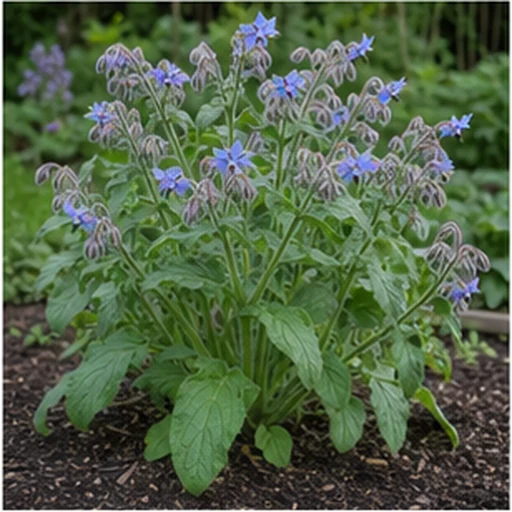
 Common problems
 Container growing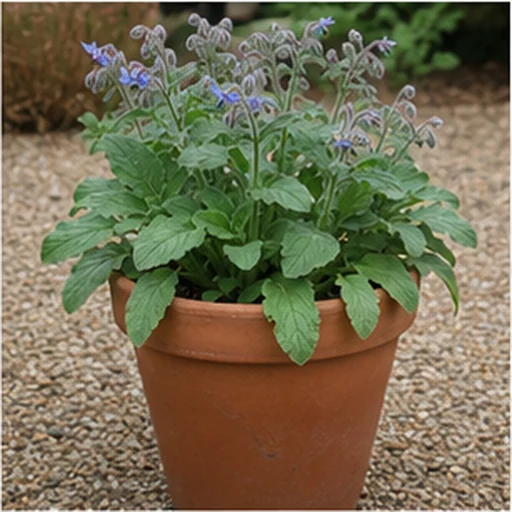
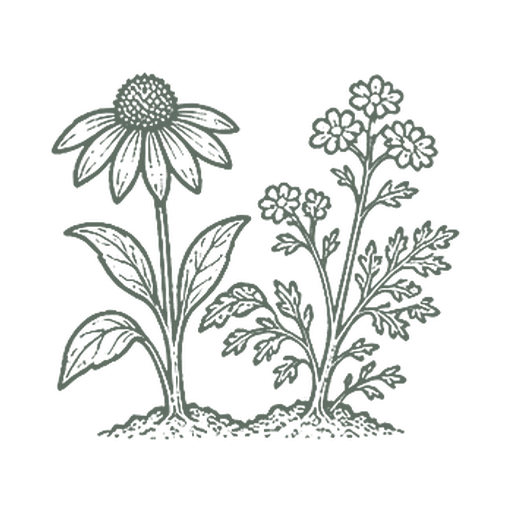 Companion overview
 Crop rotation
 Sources, reviewer & update
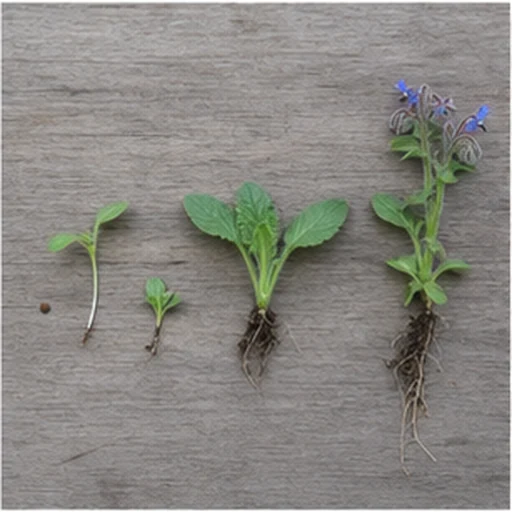
Growing borage
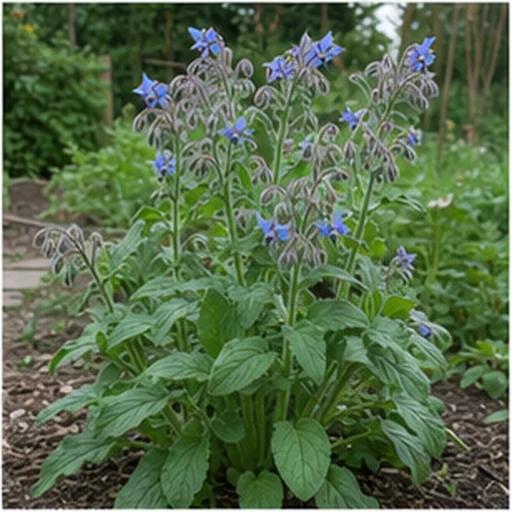
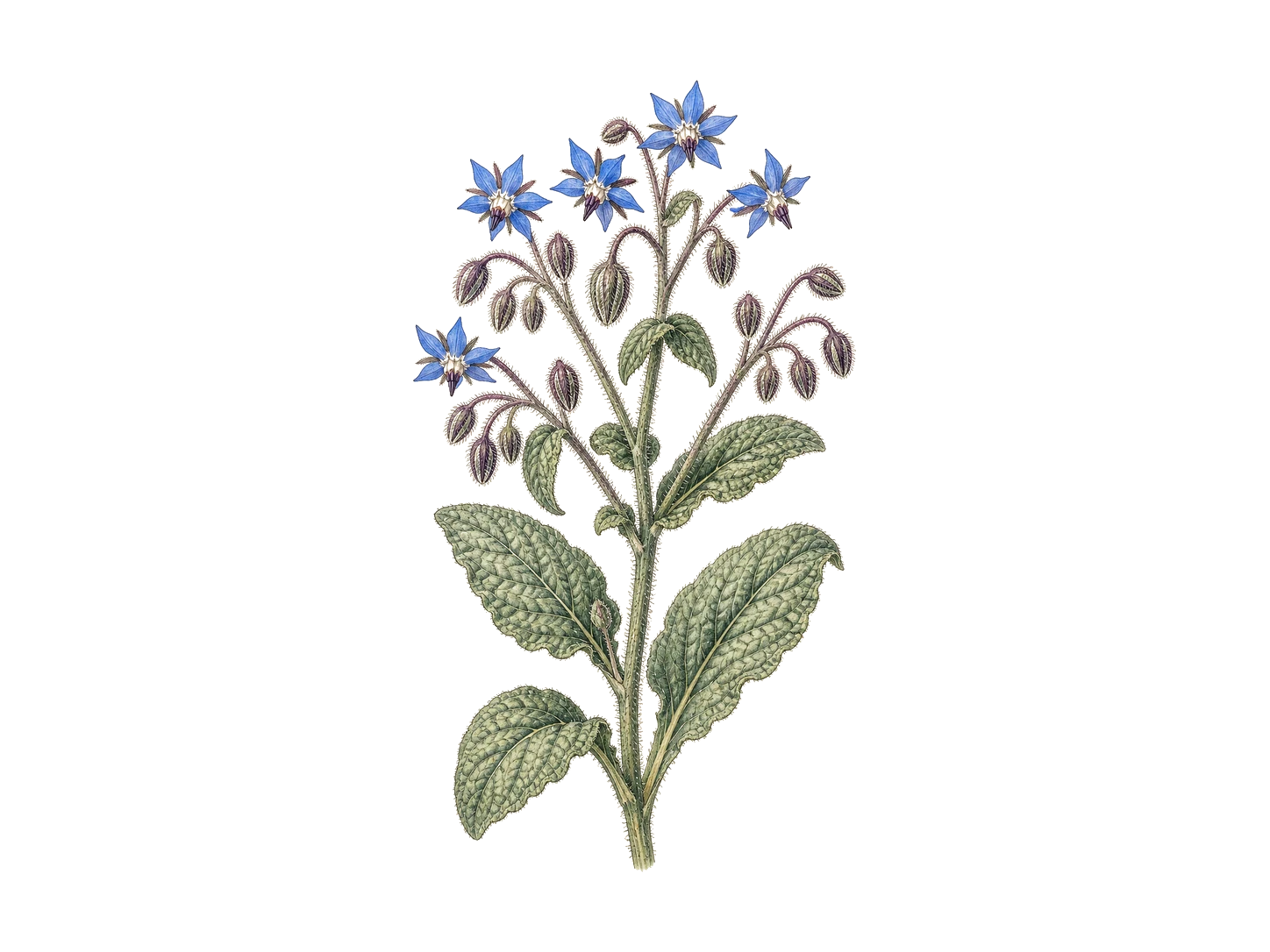
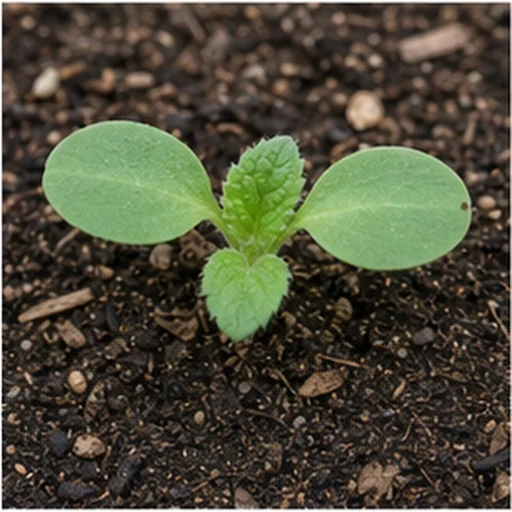
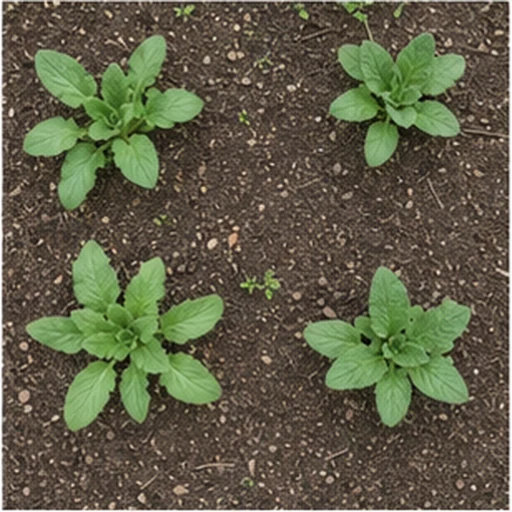
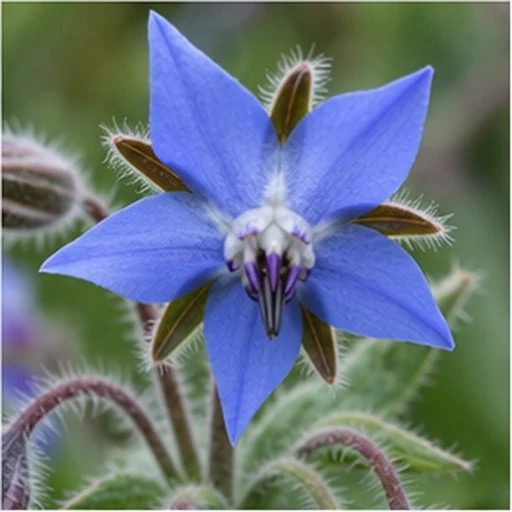
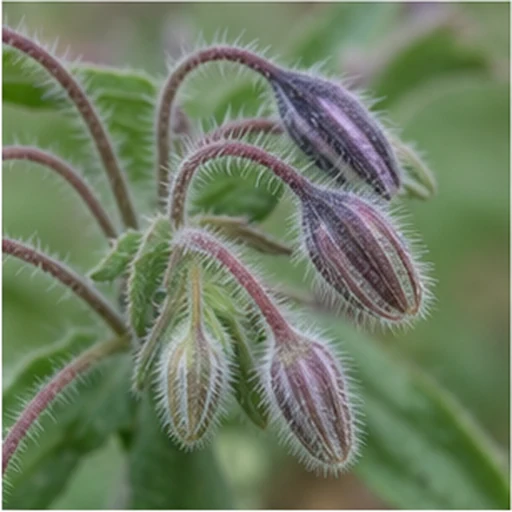
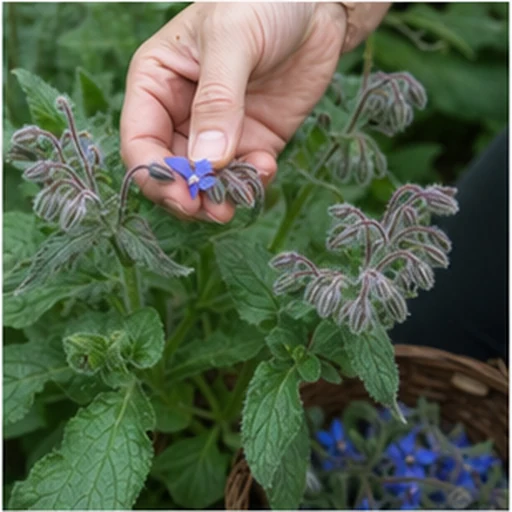
Borage is sown directly after the last frost and grows fast into a bristly 45–75 cm plant with star-shaped blue flowers from early summer. It self-seeds enthusiastically; pull unwanted seedlings early.
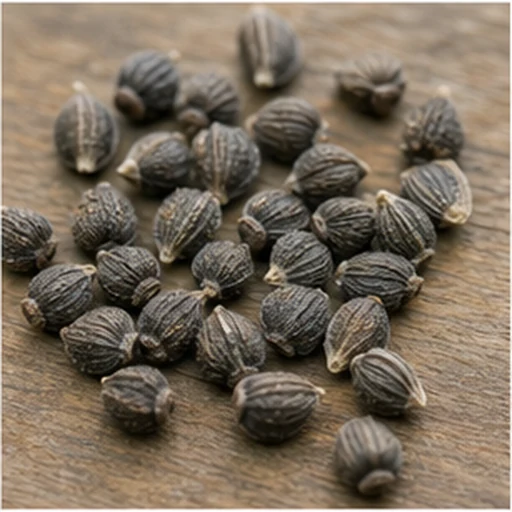
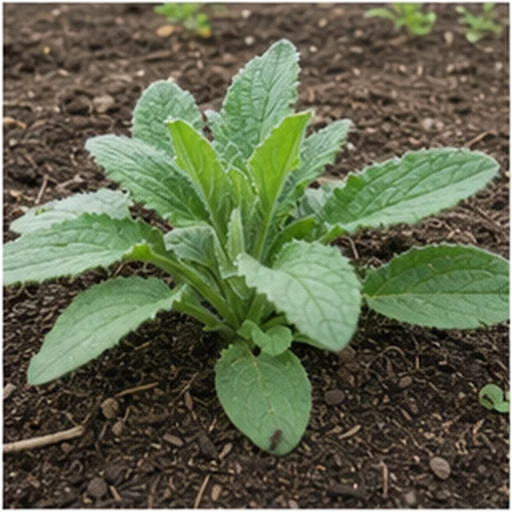
Borage flowers are visited constantly by bumblebees and honeybees, which makes it a useful pollinator plant near crops that need bees (squash, strawberries). Traditional claims that it deters tomato hornworm or improves strawberries have no controlled evidence. Its deep taproot and broad leaves make it a competitor at close spacing.
Edible parts and safety
Edible: flowers, young leaves (sparingly). Leaves contain small amounts of pyrrolizidine alkaloids; eat only occasionally.
Pests and diseases
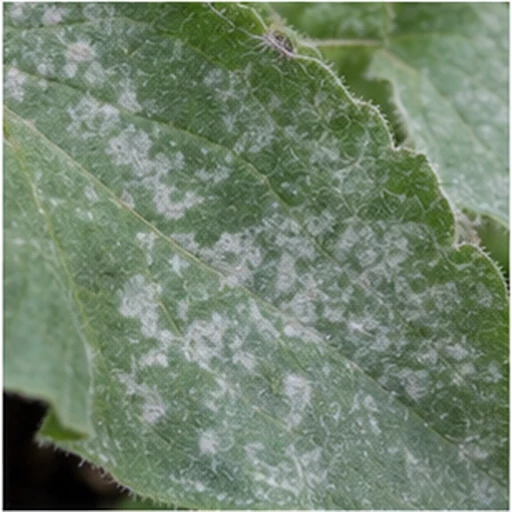
Common pests: aphids (occasionally). Common diseases: powdery mildew late season. These vary by region; a photograph is an example, not a diagnosis. See the pest and disease guides and your local extension service.
Timeline