Competition: Light, Roots, Water, Nutrients and Access
6 min read · Reviewed August 15, 2026 · Garden Planner editorial team (pending independent horticultural review)
Why fit comes first
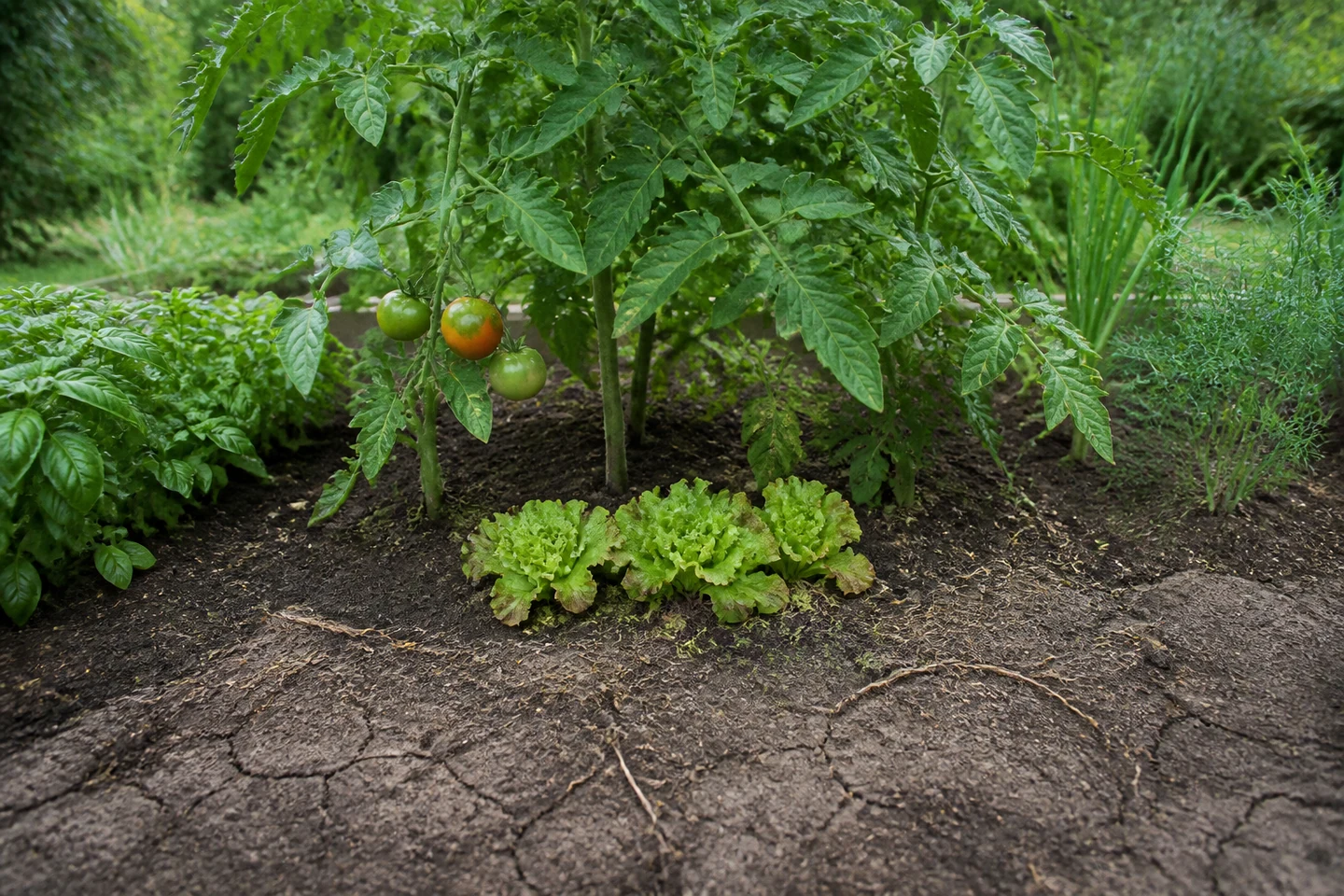
The same trial that found tomato and basil used land efficiently at moderate density found basil shaded out at high density. A claim about benefit does not suspend physics. Before the planner looks at any relationship record it checks whether two plants can physically share the space.
The checks
- Light. A plant over about 120 cm beside a full-sun plant under 60 cm will shade it. Remedy: put the short plant on the sunny side or in another bed.
- Water. Rosemary, thyme, sage and lavender want dry soil; lettuce, celery and cucumber want constant moisture. Two steps apart on the scale is a conflict; one step is a note. Remedy: separate irrigation zones or containers.
- Soil pH. Blueberries need pH 4.5–5.5; almost every vegetable wants 6–7. No single soil suits both. Remedy: a dedicated bed or ericaceous pot.
- Fertility. Heavy feeders beside plants that flower better on lean soil (nasturtium, cosmos). Remedy: feed at the base of the heavy feeder only.
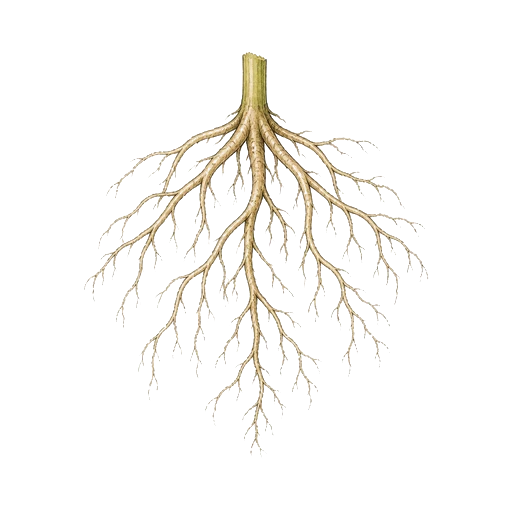
- Roots. Two large deep-rooted plants at close spacing share one soil volume. Remedy: full spacing for both.
- Sprawl and access. Vining squash over low crops smothers them and blocks harvest. Remedy: train vines to an edge.
- Family. Same family is a rotation note, not a live conflict.
Reading a warning
Each fit warning names the two plants, the resource, the reason and a remedy. A planner result that separates two plants with a positive companion claim will say so:
These plants are not flagged as bad companions. The planner separated them because the taller crop would shade the shorter crop and their peak water needs differ.
What competition is not
Competition is not allelopathy. A plant that grows poorly next to fennel or sunflower is almost always shaded or dry, not poisoned. See the allelopathy guide.
Sources
- Brooker, R. W., et al. (2015). Improving intercropping: a synthesis of research in agronomy, plant physiology and ecology. New Phytologist. Intercrop productivity gains come from complementary use of light, water and nutrients in space and time, and from facilitation; gains are highest when the component crops differ in height, rooting depth or timing.
- Bomford, M. K. (2009). Do tomatoes love basil but hate Brussels sprouts? Competition and land-use efficiency of popularly recommended and discouraged crop mixtures in biointensive agriculture systems. Journal of Sustainable Agriculture. Tomato–basil mixtures achieved land-use efficiency above sole crops at some densities, while the popularly discouraged tomato–Brussels sprout mixture did not behave as a harmful pairing. Neither result depended on a special 'friendship'; density and competition explained the outcomes.
- Huss, C. P., Holmes, K. D., Blubaugh, C. K. (2022). Benefits and risks of intercropping for crop resilience and pest management. Journal of Economic Entomology. Intercropping can reduce pest pressure and increase resilience, but outcomes depend on the specific combination; costs include competition, labour and management complexity.
- Royal Horticultural Society (2025). Grow Your Own vegetables, herbs and fruit. Royal Horticultural Society. Cultivation guidance for cool-temperate maritime climates, including sowing months, spacing, support and container suitability.
Reviewer: Garden Planner editorial team (pending independent horticultural review). Last substantive review August 15, 2026. Request a correction · Methodology