Physical Support, Wind Shelter and Shade
5 min read · Reviewed August 15, 2026 · Garden Planner editorial team (pending independent horticultural review)
Support
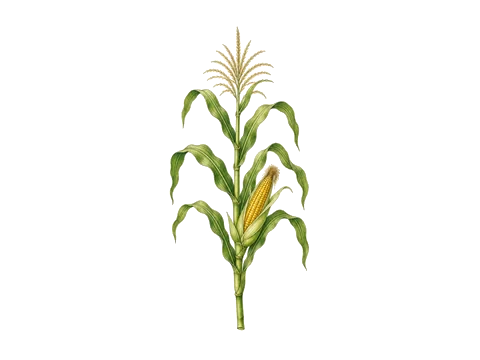
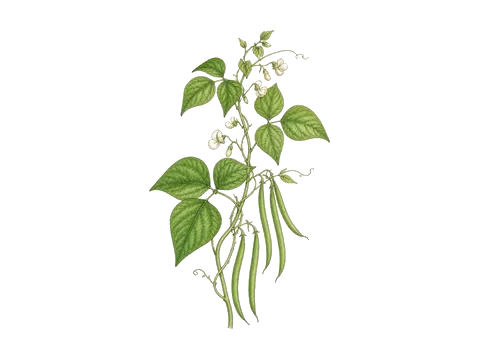
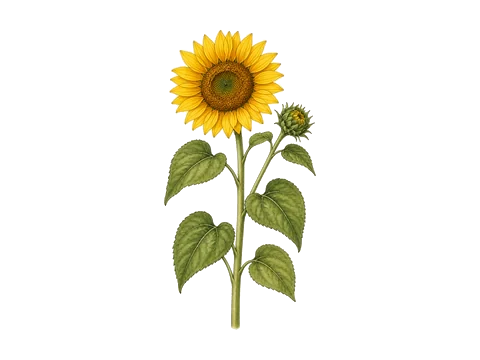
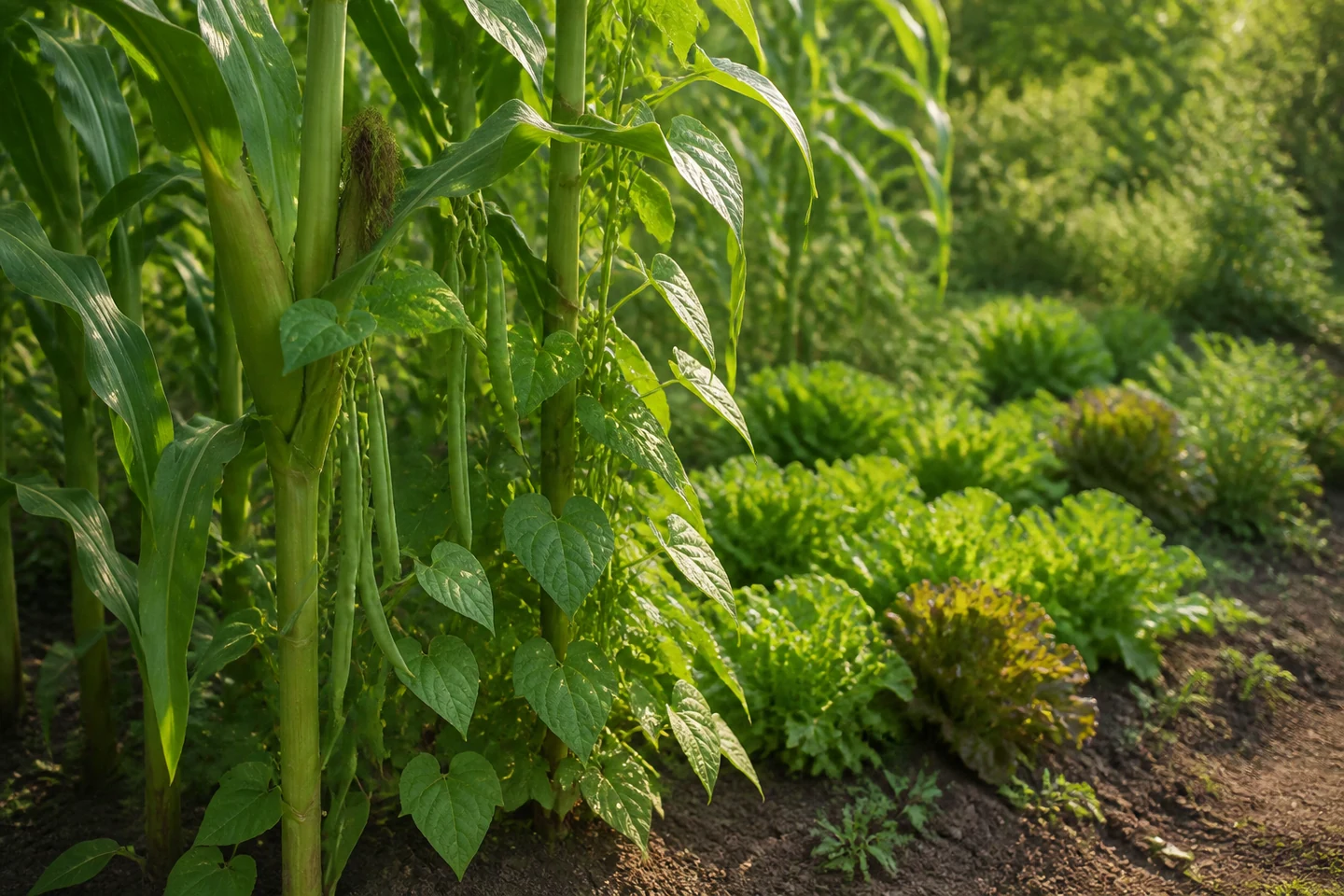
Climbing beans need something to twine around. Corn stalks have been that something for centuries and the measured Three Sisters plots confirm the combination out-yields the separate crops per area. The conditions: corn sown first and 30 cm tall before the beans go in, no more than two or three beans per stalk, and a sturdy cultivar. Sunflowers are sometimes used the same way for cucumbers; mechanically plausible, untested, and sunflowers shade and drink heavily.
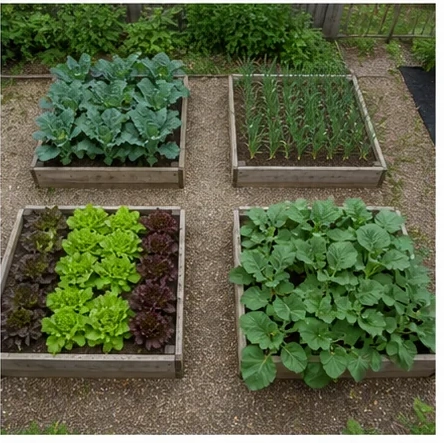
Shelter
A row of tall plants on the windward side cuts wind for tender crops behind it. The effect is real and measurable in field windbreak research, but in a small garden a fence, hedge or netting is more reliable than a crop that only reaches full height in midsummer.
Shade
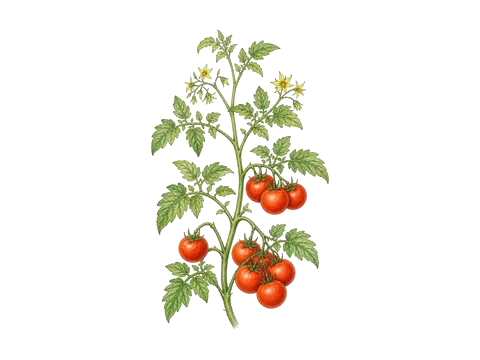
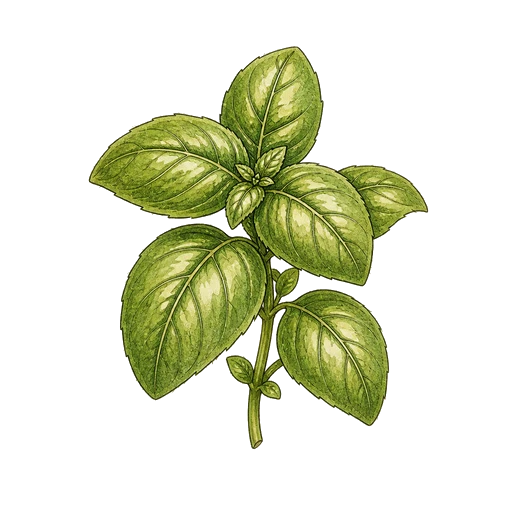
Lettuce, spinach and coriander bolt in heat. The east or north side of a tomato row, a corn block or a bean teepee is cooler. Extension guidance recommends this for summer greens. The same shade is a problem for peppers, beans or basil, which the planner reports as a light conflict.
How the planner handles it
Support relationships are scored as benefits when both plants overlap and the order of planting is possible. Shade is computed from heights: a plant over 120 cm next to a plant under 60 cm that wants full sun produces a warning with a remedy (move the short plant to the sunny side). A conditional “shade benefit” for lettuce is applied only in the summer window.
Sources
- Mt. Pleasant, J. (2016). Food yields and nutrient analyses of the Three Sisters: a Haudenosaunee cropping system. Ethnobiology Letters. The corn–bean–squash polyculture produced more food energy and protein per area than the sole crops, through physical support, complementary canopies and ground cover; individual crop yields were lower than monocultures.
- Brooker, R. W., et al. (2015). Improving intercropping: a synthesis of research in agronomy, plant physiology and ecology. New Phytologist. Intercrop productivity gains come from complementary use of light, water and nutrients in space and time, and from facilitation; gains are highest when the component crops differ in height, rooting depth or timing.
- Cornell University, Cornell Cooperative Extension (2024). Vegetable Growing Guides. Cornell University. Crop-by-crop guidance on sowing, transplanting, spacing, days to maturity, water and common problems used for catalog culture fields.
Reviewer: Garden Planner editorial team (pending independent horticultural review). Last substantive review August 15, 2026. Request a correction · Methodology