Slugs and Snails: Prevention and Control
5 min read · Reviewed August 15, 2026 · Garden Planner editorial team (pending independent horticultural review)
Identify
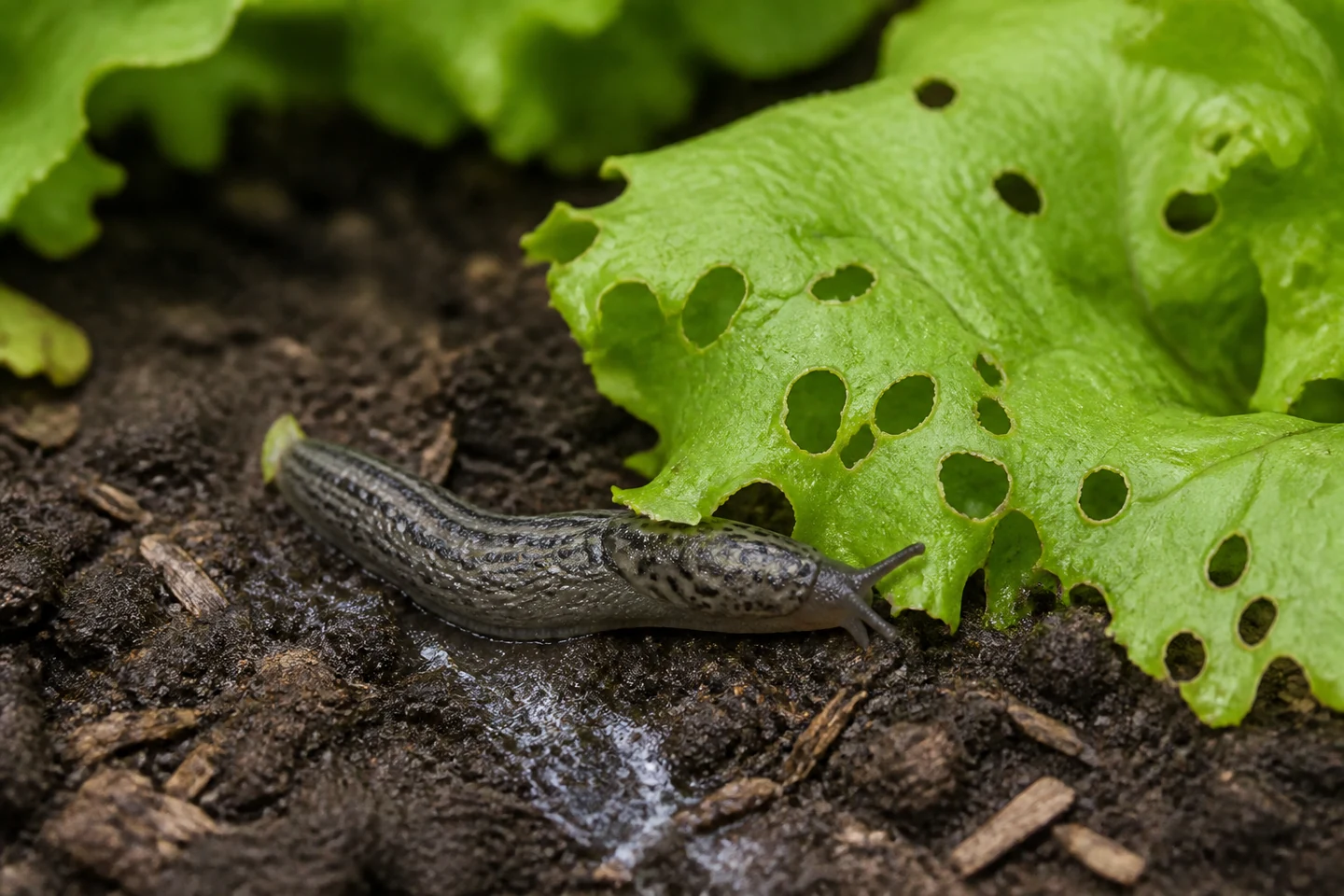
Irregular holes in leaves, seedlings cut off or gone entirely, slime trails on soil and leaves in the morning. Damage is worst in wet, mild weather and in beds with thick mulch or ground cover, which is the trade-off of living mulches.
Prevention
- Transplant sturdy seedlings rather than sowing tiny ones direct where slugs are bad.
- Water in the morning so the surface is dry by night.
- Remove boards, pots and debris where they hide, or use them as traps and check daily.
- Keep mulch a hand’s width from seedlings until they are established.
- Encourage predators: ground beetles, frogs, birds, hedgehogs.
Barriers
Copper tape around containers has mixed evidence; coarse grit and crushed shell are largely ineffective once wet; a raised bed edge with an overhanging lip helps. Fine mesh cloches protect seedlings from slugs and insects together.
Traps and patrols
A dusk patrol with a torch and a bucket removes more slugs than any product. Beer traps catch many but draw slugs from around; sink them so beneficial beetles do not fall in.
Pellets
Iron phosphate pellets are effective and lower-risk to pets and wildlife than metaldehyde (banned in several jurisdictions). Scatter thinly; piles are pointless.
Companion claims
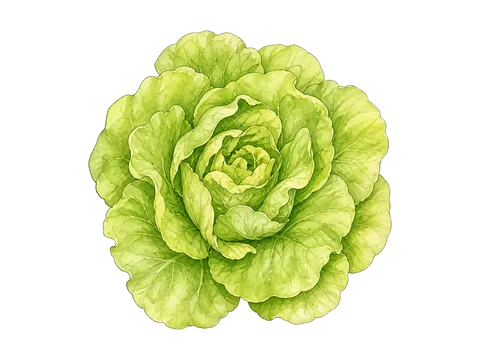
No plant has been shown to repel slugs. Strong-smelling herbs beside lettuce do nothing measurable. Sacrificial plantings of something slugs prefer (e.g. a row of lettuce thinnings) can concentrate them for collection, which is a managed trap, not a repellent.
Sources
- Royal Horticultural Society (2025). Grow Your Own vegetables, herbs and fruit. Royal Horticultural Society. Cultivation guidance for cool-temperate maritime climates, including sowing months, spacing, support and container suitability.
- University of California Statewide Integrated Pest Management Program (2025). Home, garden, turf and landscape pests. UC Agriculture and Natural Resources. Pest biology and host ranges, including that corn earworm and tomato fruitworm are the same insect (Helicoverpa zea) and that late blight affects both potato and tomato.
Reviewer: Garden Planner editorial team (pending independent horticultural review). Last substantive review August 15, 2026. Request a correction · Methodology