Starting Seeds Indoors
7 min read · Reviewed August 15, 2026 · Garden Planner editorial team (pending independent horticultural review)
Timing
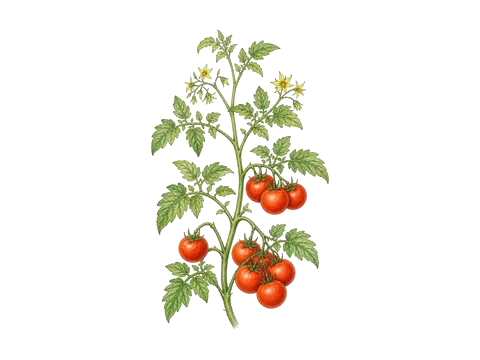
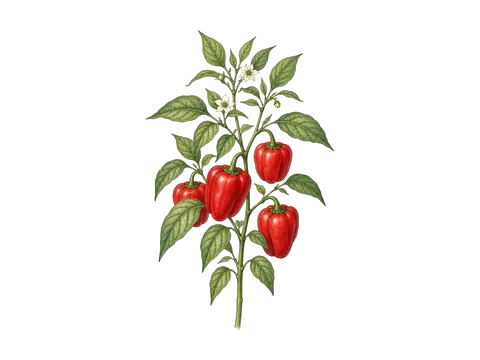
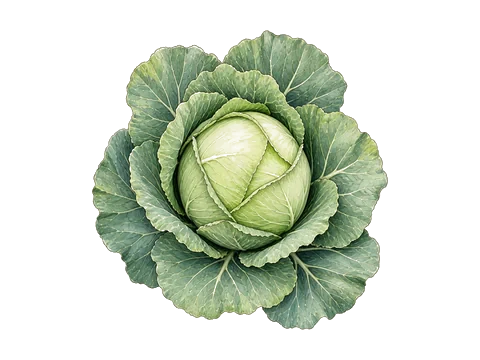
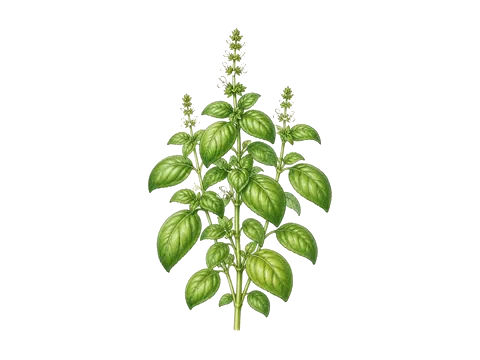
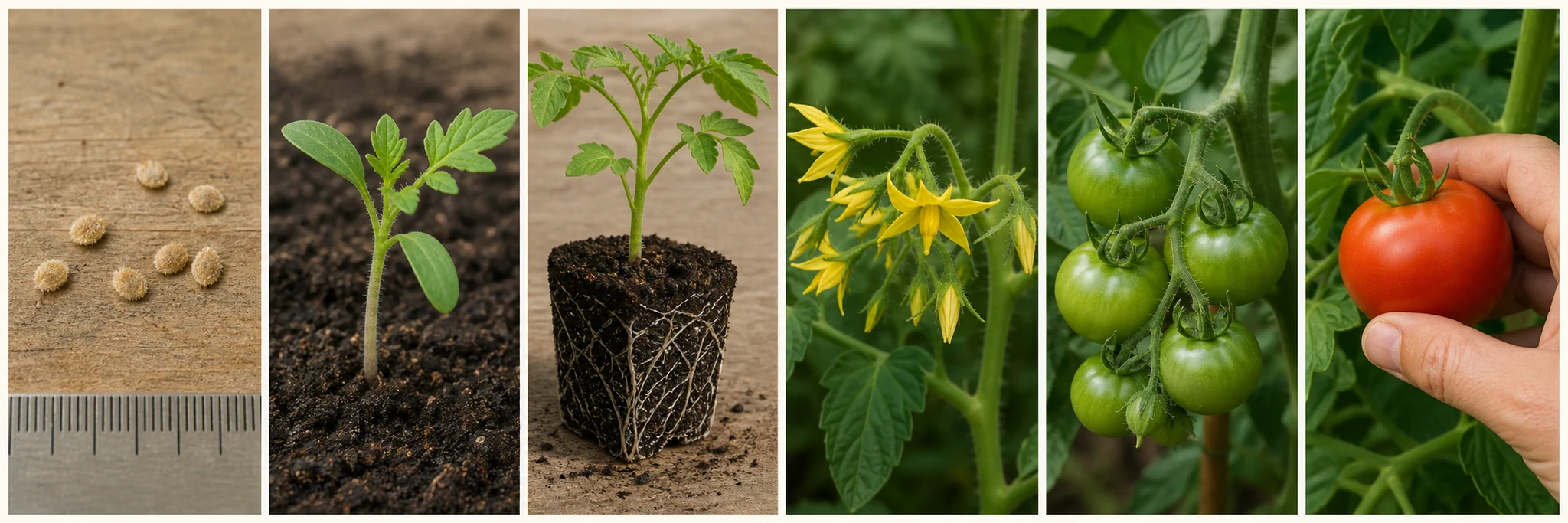
Count back from your average last frost date: peppers and eggplant 8–10 weeks, tomatoes 6–8, cabbage and broccoli 6–8, lettuce 4–6, basil and cucumbers 3–4. Sow too early and seedlings outgrow their cells and stall; too late and you lose season. The calendar’s “start indoors” bars use these offsets with your frost dates.
Containers and mix
Cell trays or small pots with drainage, filled with a fine, sterile seed-starting mix (not garden soil, which carries damping-off fungi). Moisten the mix before sowing. Sow at the depth on the packet; tiny seeds such as lettuce and alyssum need light and sit on the surface.
Temperature and light
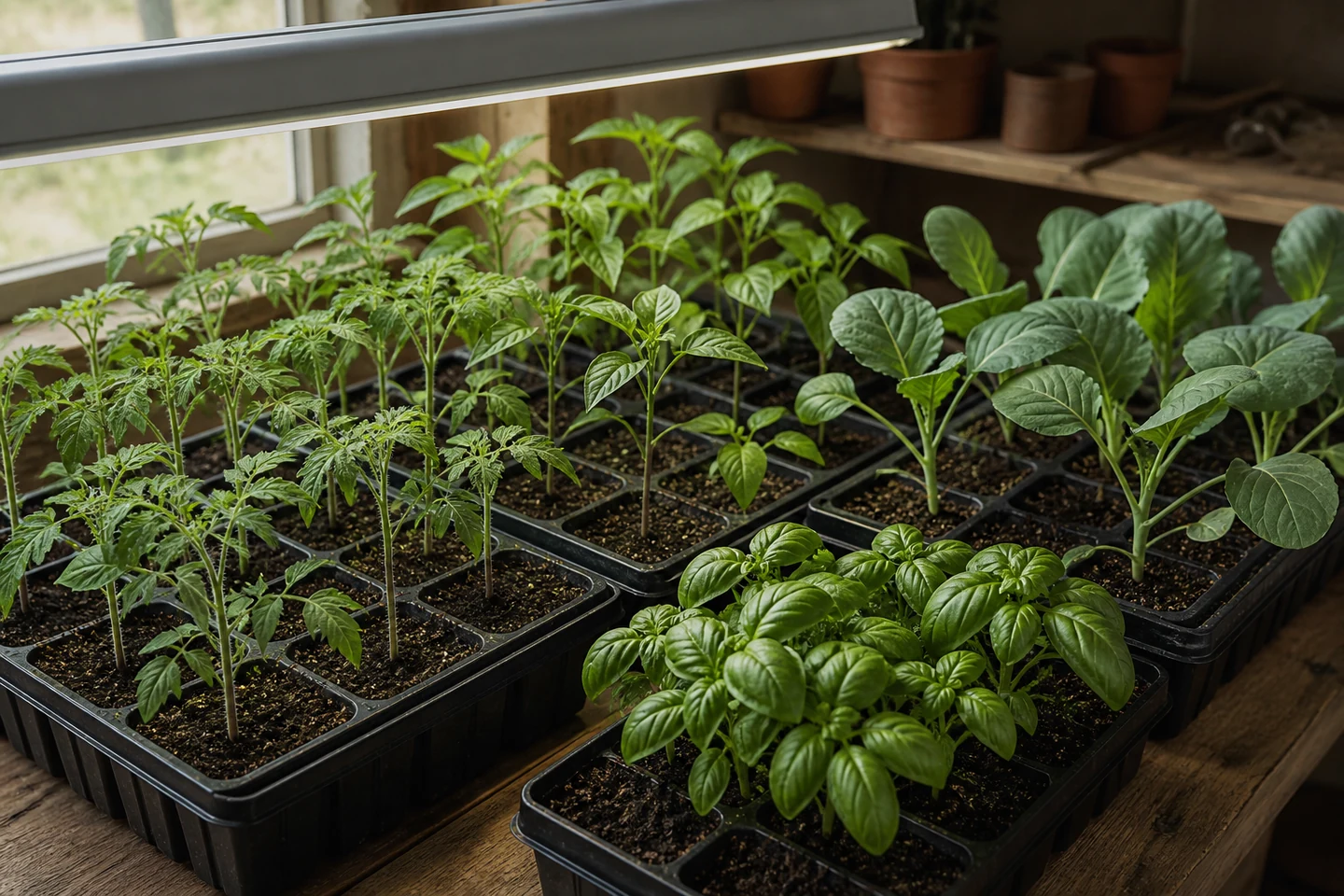
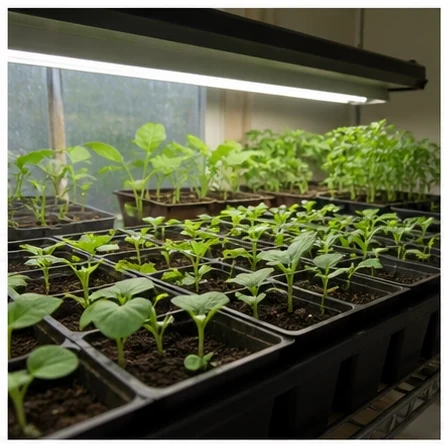
Germination is about soil temperature: peppers and eggplant 27–30 °C, tomatoes 21–27 °C, brassicas and lettuce 15–21 °C. A heat mat helps warm-season crops. Once up, seedlings need far more light than a window gives in late winter: an LED or fluorescent lamp 5–10 cm above the leaves for 14–16 hours a day. Leggy, pale seedlings are a light problem, not a feeding problem.
Water and air
Water from below or with a fine rose; let the surface dry slightly between waterings. Damping off (seedlings collapsing at the soil line) comes from cold, wet, still conditions; a small fan and restraint with the watering can prevent it.
Potting on and feeding
When roots fill the cell, move to a larger pot. Feed weekly at half strength once true leaves appear.
Hardening off
Seedlings raised indoors have soft tissue. Over 7–10 days, put them outside for increasing periods in shade, then sun, bringing them in at night until nights are above the crop’s minimum (10 °C for tomatoes, 12–15 °C for peppers). Skipping this step causes most “transplant shock”.
Which crops to sow direct instead
Carrots, parsnips, beets, radishes, beans, peas, corn and squash resent root disturbance or grow so fast that transplanting gains nothing. The plant pages say which.
Sources
- Cornell University, Cornell Cooperative Extension (2024). Vegetable Growing Guides. Cornell University. Crop-by-crop guidance on sowing, transplanting, spacing, days to maturity, water and common problems used for catalog culture fields.
- Royal Horticultural Society (2025). Grow Your Own vegetables, herbs and fruit. Royal Horticultural Society. Cultivation guidance for cool-temperate maritime climates, including sowing months, spacing, support and container suitability.
- Oregon State University Extension Service (2019). Growing Your Own. Oregon State University Extension. Region-specific planting dates, spacing and cultural requirements for common vegetables in western and eastern Oregon, used here for Pacific Northwest calendar assumptions.
Reviewer: Garden Planner editorial team (pending independent horticultural review). Last substantive review August 15, 2026. Request a correction · Methodology