Frost Dates vs. Hardiness Zones
5 min read · Reviewed August 15, 2026 · Garden Planner editorial team (pending independent horticultural review)
What a zone is
The USDA Plant Hardiness Zone Map divides regions by average annual minimum temperature in 5.5 °C bands. Zone 8b means winter lows average between −9.4 and −6.7 °C. That predicts whether rosemary or a fig survives winter. It says nothing about when the last spring frost falls, how long the frost-free season is, or how hot the summer gets. Portland, Oregon and Atlanta, Georgia are both about zone 8, with very different vegetable seasons.
Frost dates
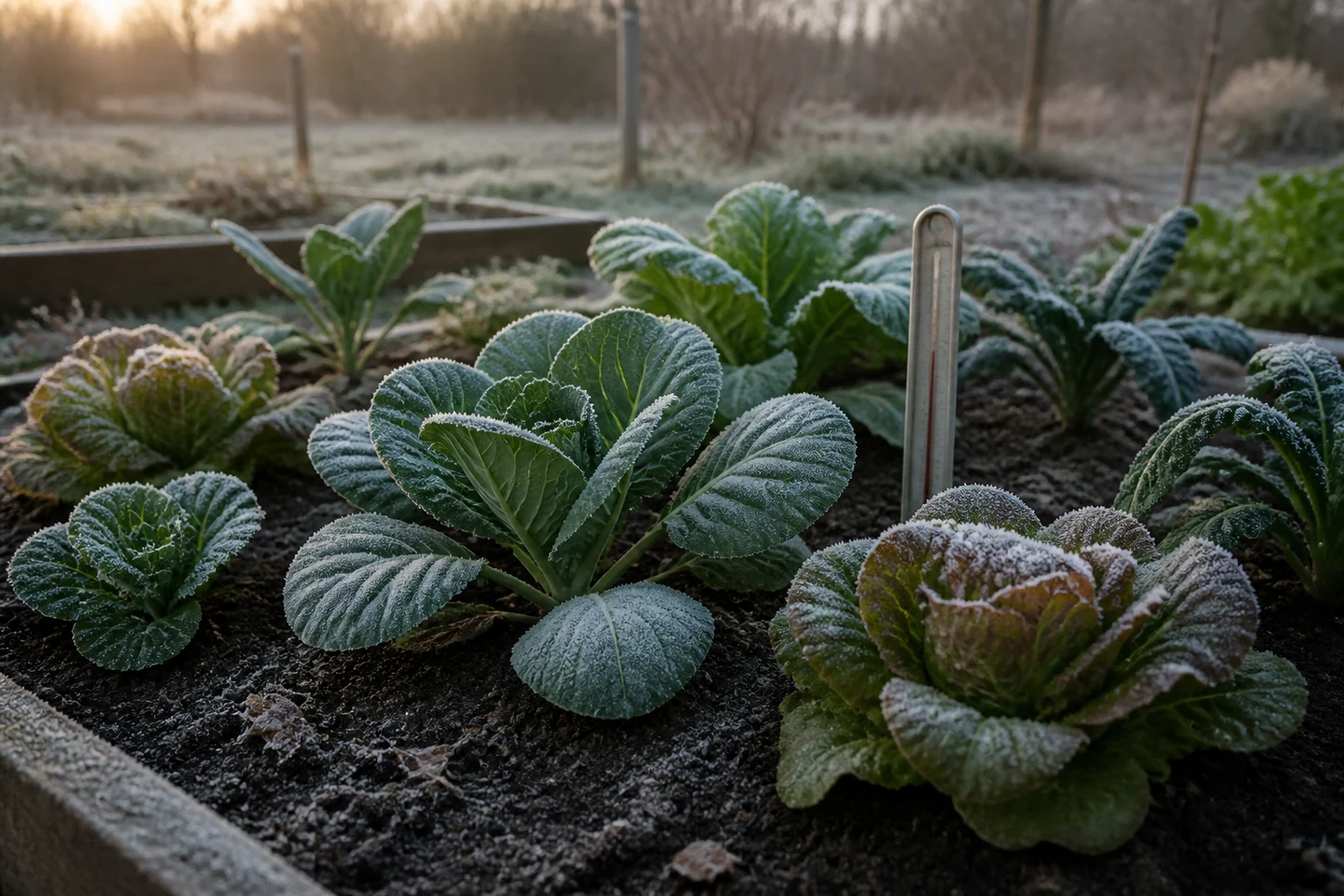
Average last spring frost and first autumn frost come from decades of station records (climate normals). They are averages: in any year the actual frost can be two weeks or more either side, which is the ± band on the calendar. Gardens on hills, near water or in city centres differ from the station.
How the calendar uses them
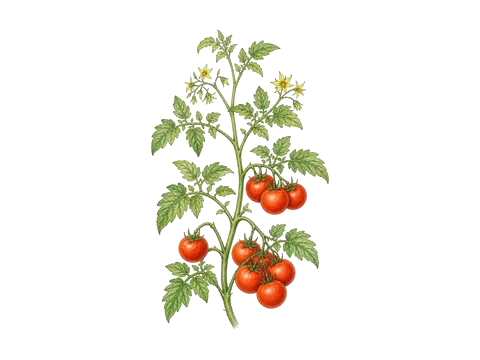
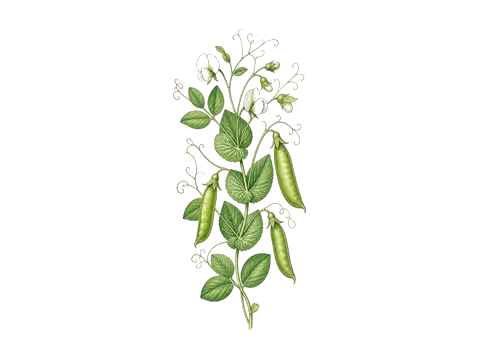
Every crop’s windows are offsets from the frost dates: tomatoes indoors 6–8 weeks before the last frost, transplanted 1–3 weeks after; peas sown 4–6 weeks before; autumn crops counted back from the first frost by their days to maturity. Change the dates and every window moves. Southern-hemisphere regions work the same way with the dates reversed.
Confirming your own
Keep a note of the last spring night below 0 °C and the first autumn one for a few years; ask neighbours who garden; check a local weather station’s records. When you enter confirmed dates in the calendar, the bars turn solid and the finder and planner use them.
Beyond frost
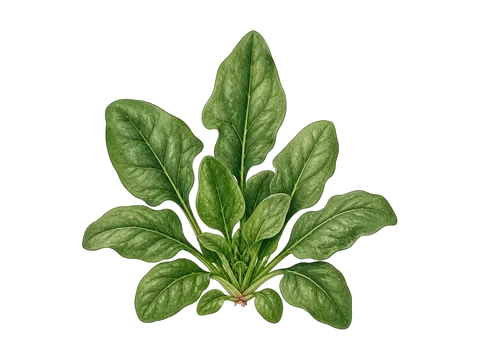
Warm-season crops care about soil temperature, not just frost: tomatoes sulk in soil under 15 °C whatever the calendar says. Cool-season crops care about heat and day length: spinach bolts in June regardless of frost. The plant pages note these limits; the calendar’s windows are the start of a decision, not the end.
Sources
- USDA Agricultural Research Service (2023). USDA Plant Hardiness Zone Map. USDA ARS. Zones describe average winter minimum temperature only; they are an input for perennial survival, not a vegetable planting calendar.
- NOAA National Centers for Environmental Information (2021). U.S. Climate Normals. NOAA NCEI. Average frost dates used as starting estimates; actual frost varies by year and microclimate, which is why the calendar shows an uncertainty band and lets users confirm dates.
- Oregon State University Extension Service (2019). Growing Your Own. Oregon State University Extension. Region-specific planting dates, spacing and cultural requirements for common vegetables in western and eastern Oregon, used here for Pacific Northwest calendar assumptions.
Reviewer: Garden Planner editorial team (pending independent horticultural review). Last substantive review August 15, 2026. Request a correction · Methodology