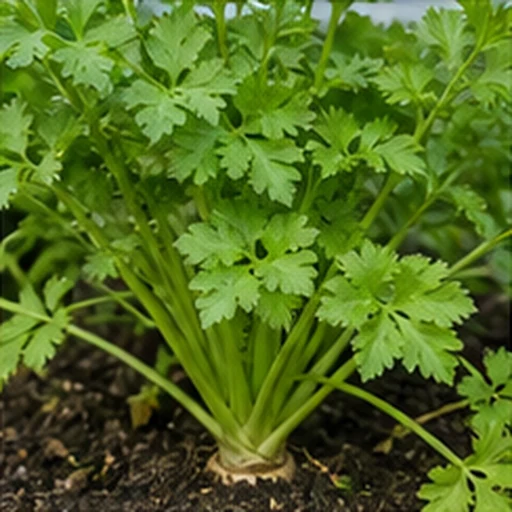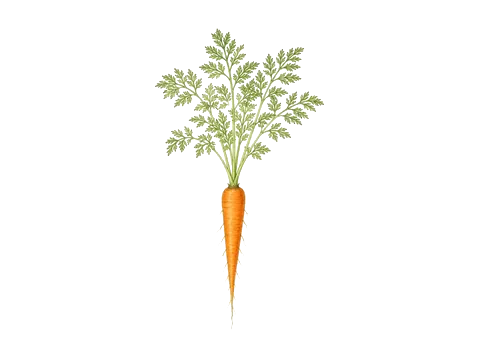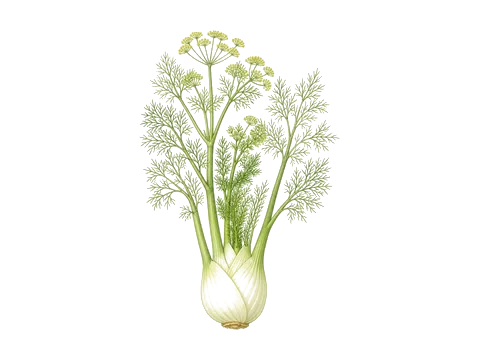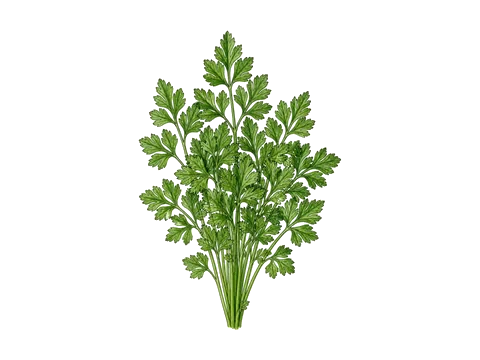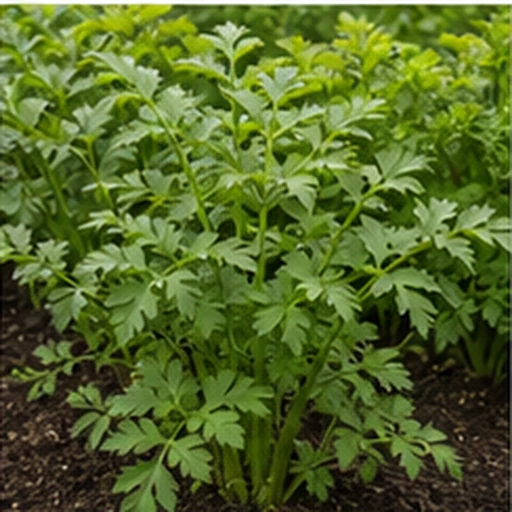
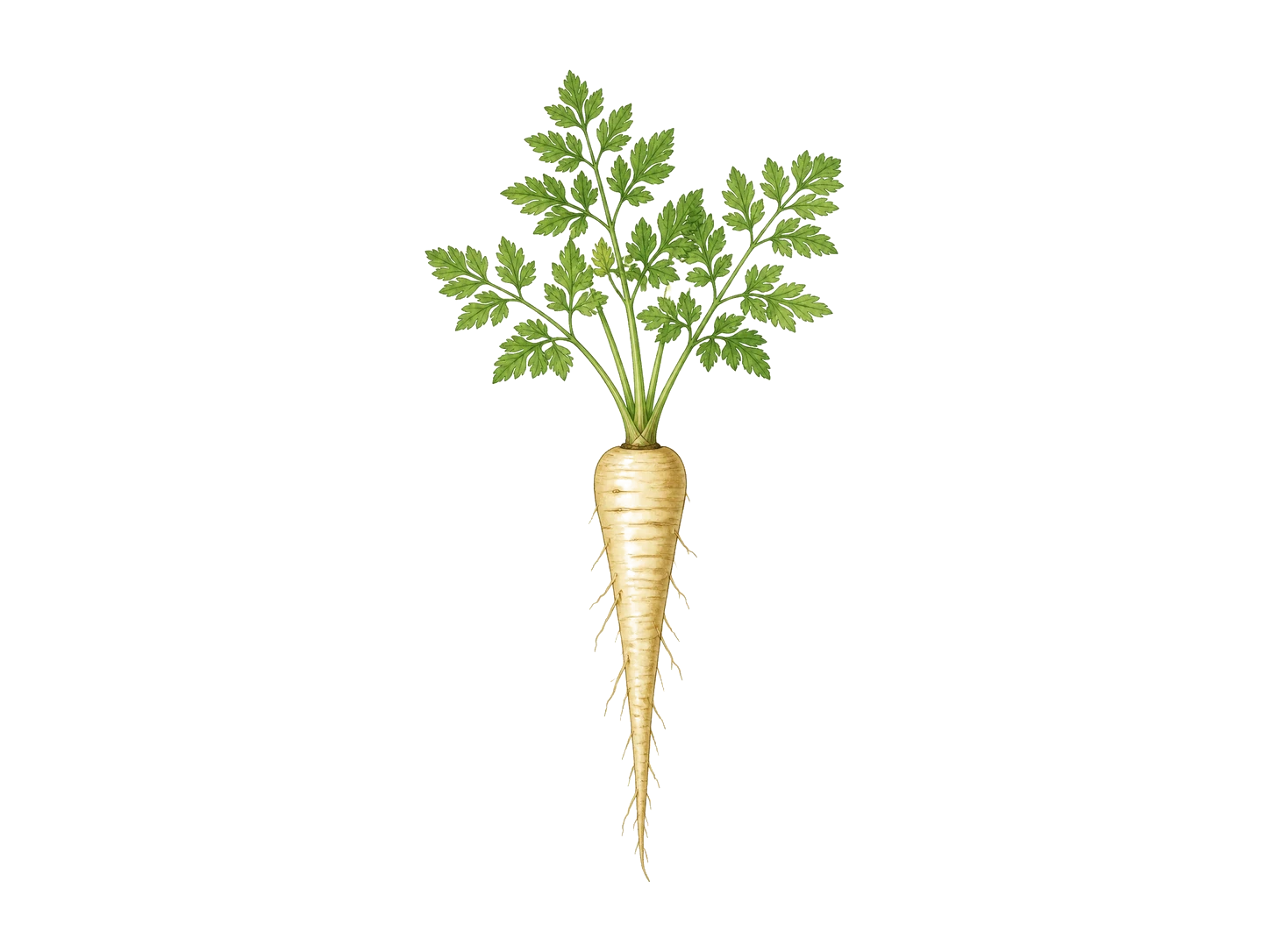
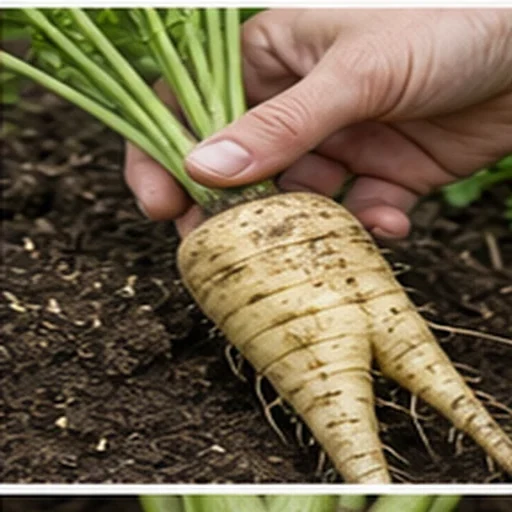
Entire healthy mature parsnip plant in a real garden bed, showing growth habit and scale.Primary identification image. 30–45 cm tall, 15–15 cm wide at maturity.

Parsnip

Pastinaca sativa L.

Family
Apiaceae
Season
Cool-season biennial grown as an annual
Best grown in
Portland, Oregon

A slow, deep-rooted winter root sown in spring from fresh seed and harvested after frost sweetens it.

Safety: Foliage sap causes phytophotodermatitis (burns in sunlight); wear gloves and sleeves when handling leaves.

Life cycle & growth stages

  1. 1. SeedSow fresh seed 1 cm deep in spring.
  2. 2. GerminationSlow: 2–3 weeks.
  3. 3. ThinningThin to 8–10 cm.
  4. 4. Mid-growthLarge leaves; root lengthens.
  5. 5. Harvest readyAfter first frosts.
  6. 6. HarvestLift carefully with a fork; roots are long.

Growth stages are ordered chronologically; timing varies with cultivar, temperature, light and care.

Planting calendar for Portland, Oregon

direct sow 2 weeks before to 4 weeks after last frost; 100–130 days to maturity from sowing. Windows are derived from the region's average frost dates (last Apr 5, first Nov 5) and are estimates until you confirm your own dates in the calendar.

ParsnipPastinaca sativa
Text version of the planting timeline
PlantStart indoorsDirect sowAutumn sowTransplantTendHarvest
Parsnip—Mar 22–May 3 (estimate)——May 3–Jun 30 (estimate)Jun 30–Dec 3 (estimate)
  • Direct sow: Mar 22 – May 3
  • Tend and monitor: May 3 – Jun 30
  • Harvest: Jun 30 – Dec 3

Spacing & support

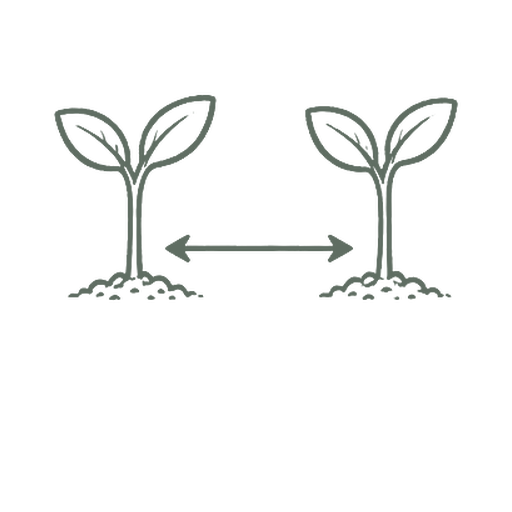
In-row 8–10 cm; rows 40–45 cm. Planner footprint: 1 cell of 30 cm, 9 plants per cell.

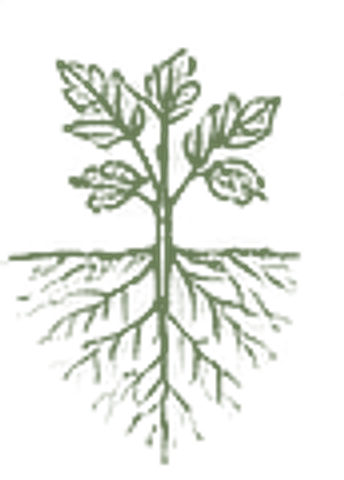
Side-profile diagram of mature parsnip: canopy 30–45 cm tall, 15–15 cm wide, deep root zone, support and harvest-access envelope.

Soil & water

Soil
Deep, loose, stone-free soil
pH
6–7
Fertility
low
Water
Even moisture; drought then rain splits roots.
Frost
very hardy; tolerates frost

Support & training

No support structure needed.

Parsnip mid-season before harvest, showing branching, vining, rosette or upright habit and space occupied.

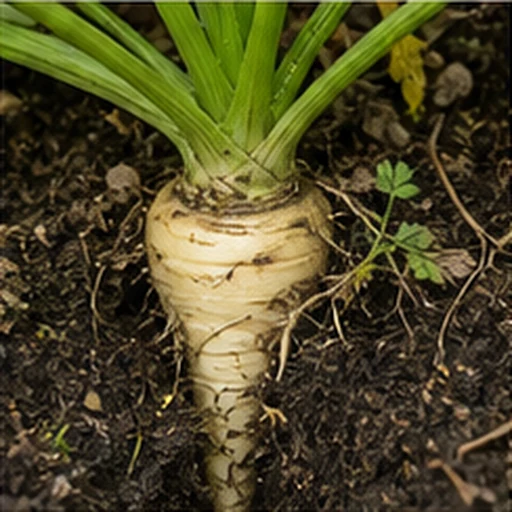
Harvest signs

  • Foliage dies back in autumn
  • Sweeter after frost
  • Lift as needed through winter
Parsnip at harvest readiness, showing the visual cues: foliage dies back in autumn; sweeter after frost.

Common problems

Pests: carrot rust fly, celery leaf miner

Diseases: parsnip canker

Appearance alone is not a diagnosis; confirm with a regional extension guide.

Side-by-side: healthy parsnip leaf or fruit and an example of parsnip canker.

Container growing

Needs 30–40 cm of loose soil; only very deep containers.

Companion overview

1 reviewed relationship record (evidence: low).

Supported or conditional

None reviewed

Avoid or separate

None with evidence

1 popular pairing reviewed with no verified relationship.

Full companion profile

Crop rotation

Avoid planting parsnip or other carrot family crops in the same spot for 2 years. Rotation is about previous seasons, not about live neighbours.

Year 1Year 2Year 3ApiaceaeOther familyOther familyback after 2+ years

Shared risks in Apiaceae: carrot rust fly, Alternaria leaf blight, parsley worm (swallowtail caterpillar).

Crop rotation hub

Sources, reviewer & update

Sources

Reviewer: Garden Planner editorial team (pending independent horticultural review)

Last reviewed: August 15, 2026 · version 1

Found an error or have feedback? Let us know.

Growing parsnip

Parsnip seed is short-lived and slow; buy fresh each year and sow directly into deep, stone-free soil in mid-spring, then wait up to three weeks for emergence. The roots need 100–130 days and taste best after frost, standing in the ground through winter.
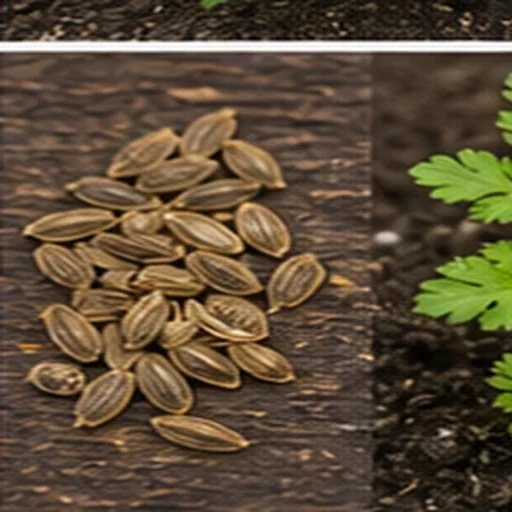
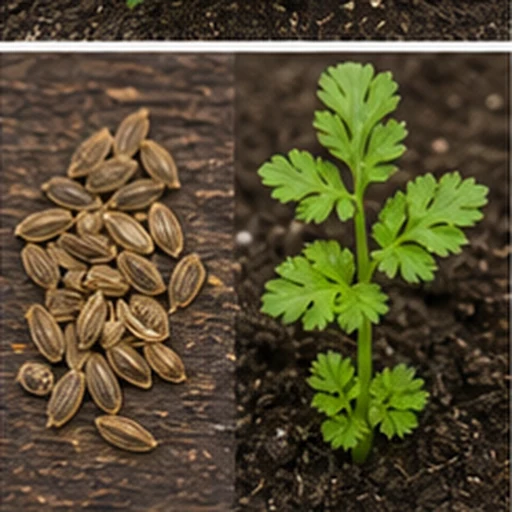
Parsnip seed beside a ruler or coin for scale.
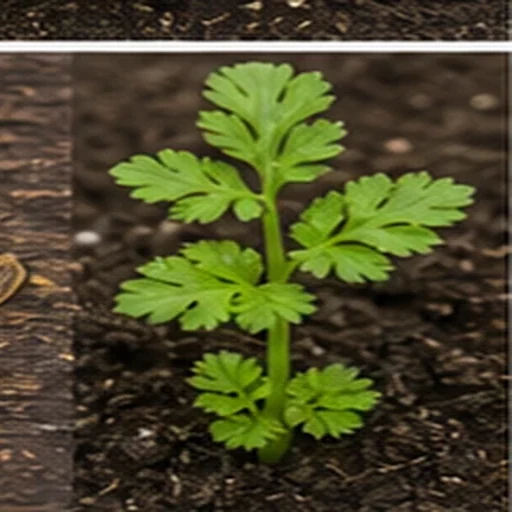
Parsnip seedling at cotyledon and first-true-leaf stage, in soil, distinguishable from common weeds.
Parsnip mid-season before harvest, showing branching, vining, rosette or upright habit and space occupied.

Parsnips occupy space for most of the season, so sow a fast marker crop (radish) in the row to mark it and use the space while parsnips emerge. Handle foliage with gloves: the sap causes burns in sunlight. Carrot rust fly and canker are the problems.
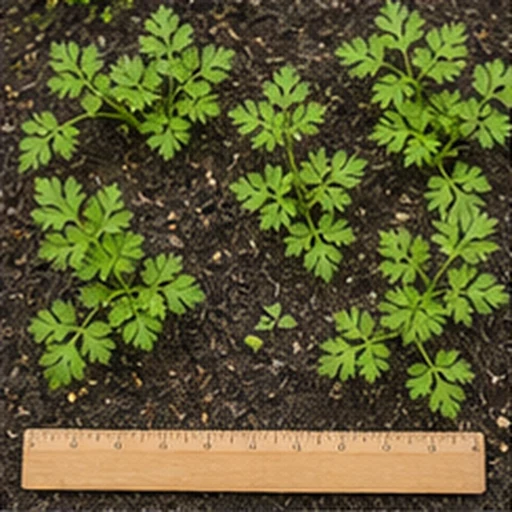
Two or more mature parsnip plants with a tape measure showing in-row spacing (8–10 cm).
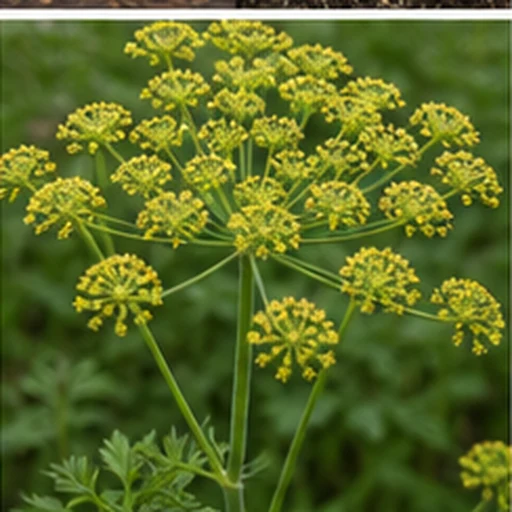
Parsnip flower detail or bolting stage.
Immature root of parsnip developing on the plant.

Edible parts and safety

Edible: root. Foliage sap causes phytophotodermatitis (burns in sunlight); wear gloves and sleeves when handling leaves.
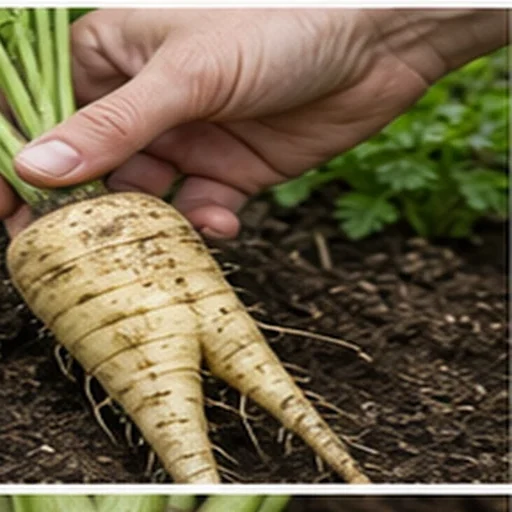
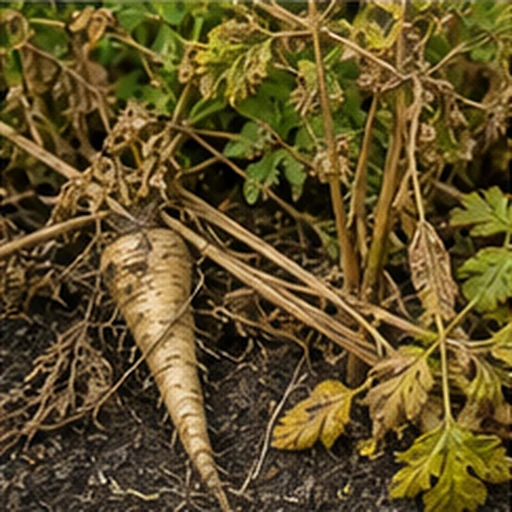
Hands or tool harvesting parsnip correctly (cut, pull, twist or pick) without damaging the plant.
Parsnip at end of season: seed head, dry pod, spent plant or removal stage.

Pests and diseases

Common pests: carrot rust fly, celery leaf miner. Common diseases: parsnip canker. These vary by region; a photograph is an example, not a diagnosis. See the pest and disease guides and your local extension service.
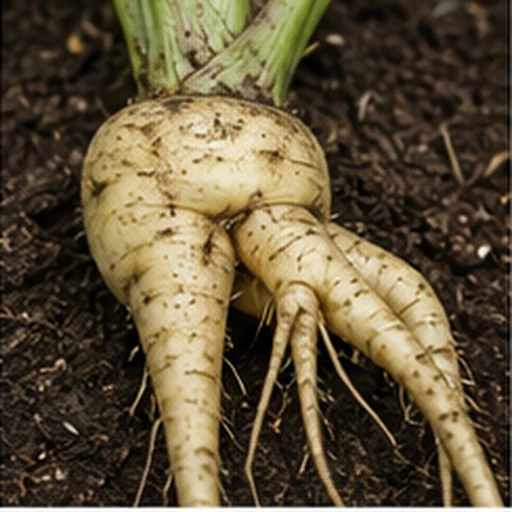
carrot rust fly on parsnip, with a wider damage-context view.

Timeline

Season timeline for parsnip: sowing, transplanting, flowering, harvest and bed occupancy aligned to frost dates.Text alternative: Direct sow Mar 22–May 3; Tend and monitor May 3–Jun 30; Harvest Jun 30–Dec 3.

Related plants

See also: Apiaceae family page · crop rotation · regional calendar · guides

Our Methodology & Sources

We synthesize peer-reviewed research, university extension publications, and trusted horticulture resources. Our evidence levels help you understand how strong the science is behind the guidance.

Evidence tiers

Supported evidenceConsistent results from multiple robust studies
Traditional claimHistorical use reported, limited scientific support
Context dependentMixed or variable results across conditions
No verified relationshipNo reliable evidence identified

Primary source types

  • Peer-reviewed journal articles
  • University extension publications
  • Government & research institute reports
  • Systematic reviews & meta-analyses

Last updated

August 24, 2026

Learn more about our approach