Build Healthy Garden Soil
8 min read · Reviewed August 15, 2026 · Garden Planner editorial team (pending independent horticultural review)
Know your texture
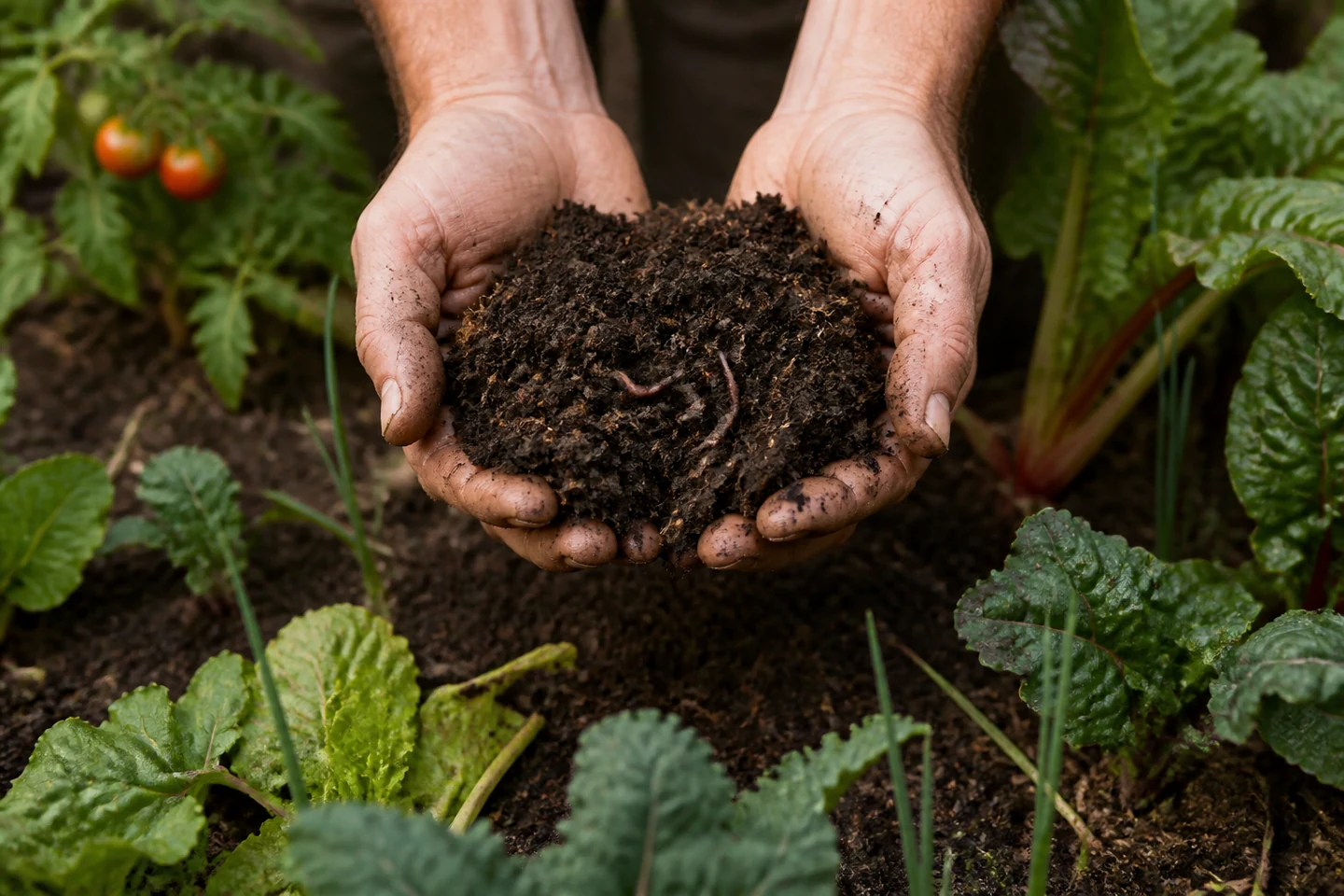
Squeeze a moist handful. Sand falls apart; clay forms a shiny ribbon; loam holds together then crumbles. Texture cannot be changed in a practical way, but structure (how particles clump into crumbs with air and water between them) can, and organic matter is what builds it.
pH
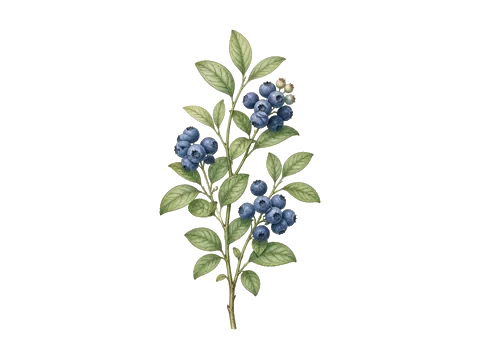
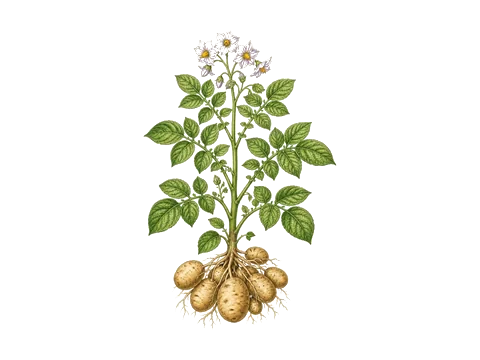
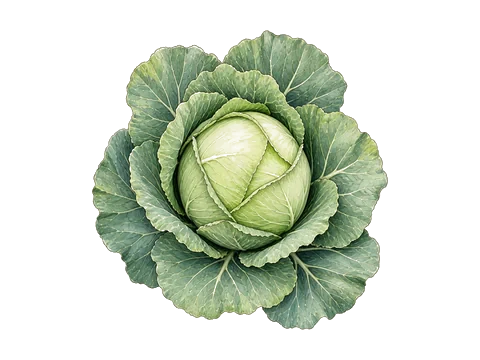
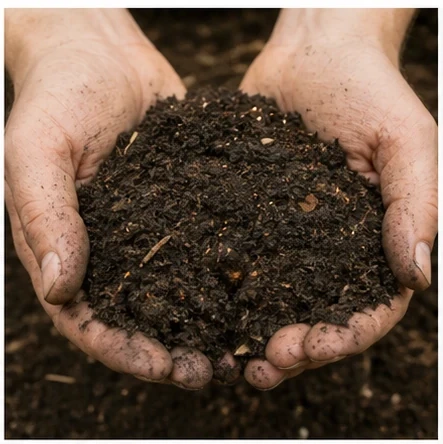
Most vegetables grow best at pH 6.0–7.0; brassicas prefer near 7 (clubroot is worse in acid soil); potatoes tolerate 5.0–6.5 and scab is worse above 6; blueberries need 4.5–5.5 and will not grow in ordinary beds. A cheap test kit is accurate enough. Lime raises pH slowly; sulphur lowers it slowly; both take months. Do not guess.
Organic matter
Compost, leaf mould and well-rotted manure feed soil life, hold water in sand, open up clay and supply slow nutrients. Two to five centimetres spread on the surface each year is plenty; digging it in is unnecessary in established beds and breaks structure. Fresh manure burns roots and carries weed seed; rot it first.
Drainage
Vegetables drown in waterlogged soil. Raised beds, adding organic matter and never walking on beds all help. A hole that holds water for more than a day after rain needs a raised bed or a different site.
Fertility
Heavy feeders (brassicas, corn, squash, tomatoes) benefit from compost plus a balanced organic fertiliser at planting. Legumes need little. Mediterranean herbs and many flowers do better lean. The plant pages give each crop’s fertility need; over-feeding grows leaves instead of fruit.
Mulch
A 5–8 cm mulch of straw, leaves or wood chips on paths keeps moisture in, soil cool, weeds down and soil life fed. Keep it a few centimetres from stems. Mulch is the single most effective water-saving practice in a home garden.
What not to do
Do not rototill every year; do not add sand to clay (it makes concrete); do not apply lime and manure together; do not dig wet soil.
Sources
- University of Minnesota Extension (2023). Living soil, healthy garden: crop rotation and soil health. University of Minnesota Extension. Recommends rotating plant families between seasons to interrupt soil-borne disease and pest cycles, and explains how rotation differs from planting companions together.
- Cornell University, Cornell Cooperative Extension (2024). Vegetable Growing Guides. Cornell University. Crop-by-crop guidance on sowing, transplanting, spacing, days to maturity, water and common problems used for catalog culture fields.
- Royal Horticultural Society (2025). Grow Your Own vegetables, herbs and fruit. Royal Horticultural Society. Cultivation guidance for cool-temperate maritime climates, including sowing months, spacing, support and container suitability.
Reviewer: Garden Planner editorial team (pending independent horticultural review). Last substantive review August 15, 2026. Request a correction · Methodology