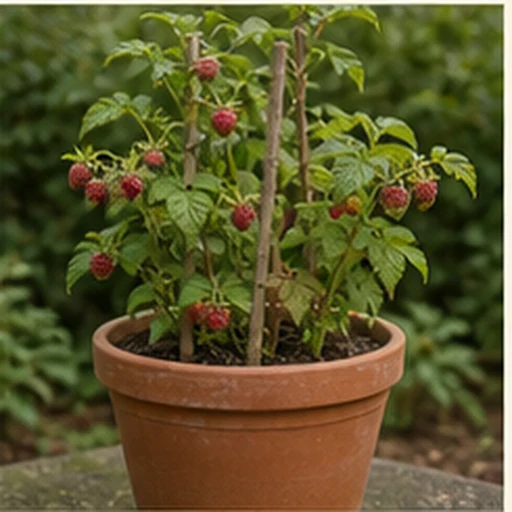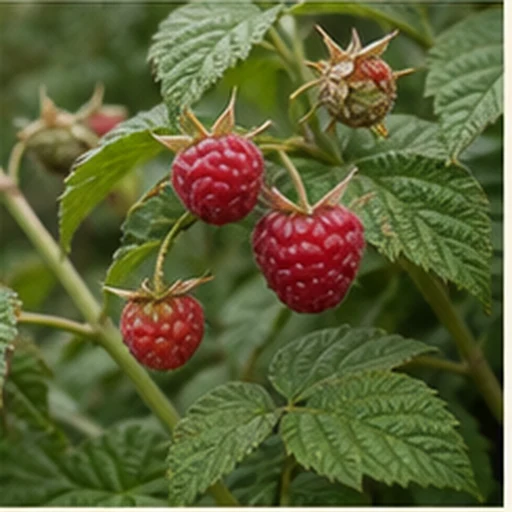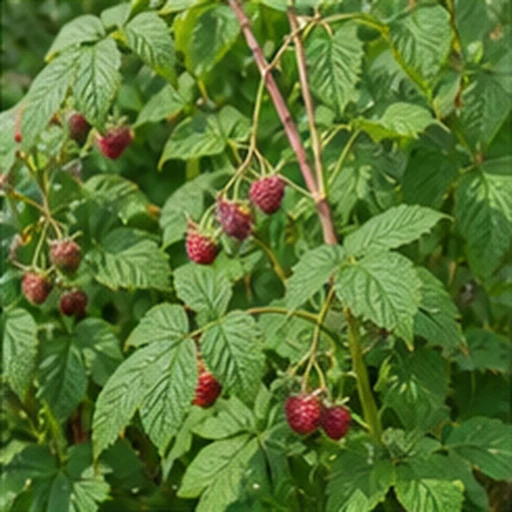
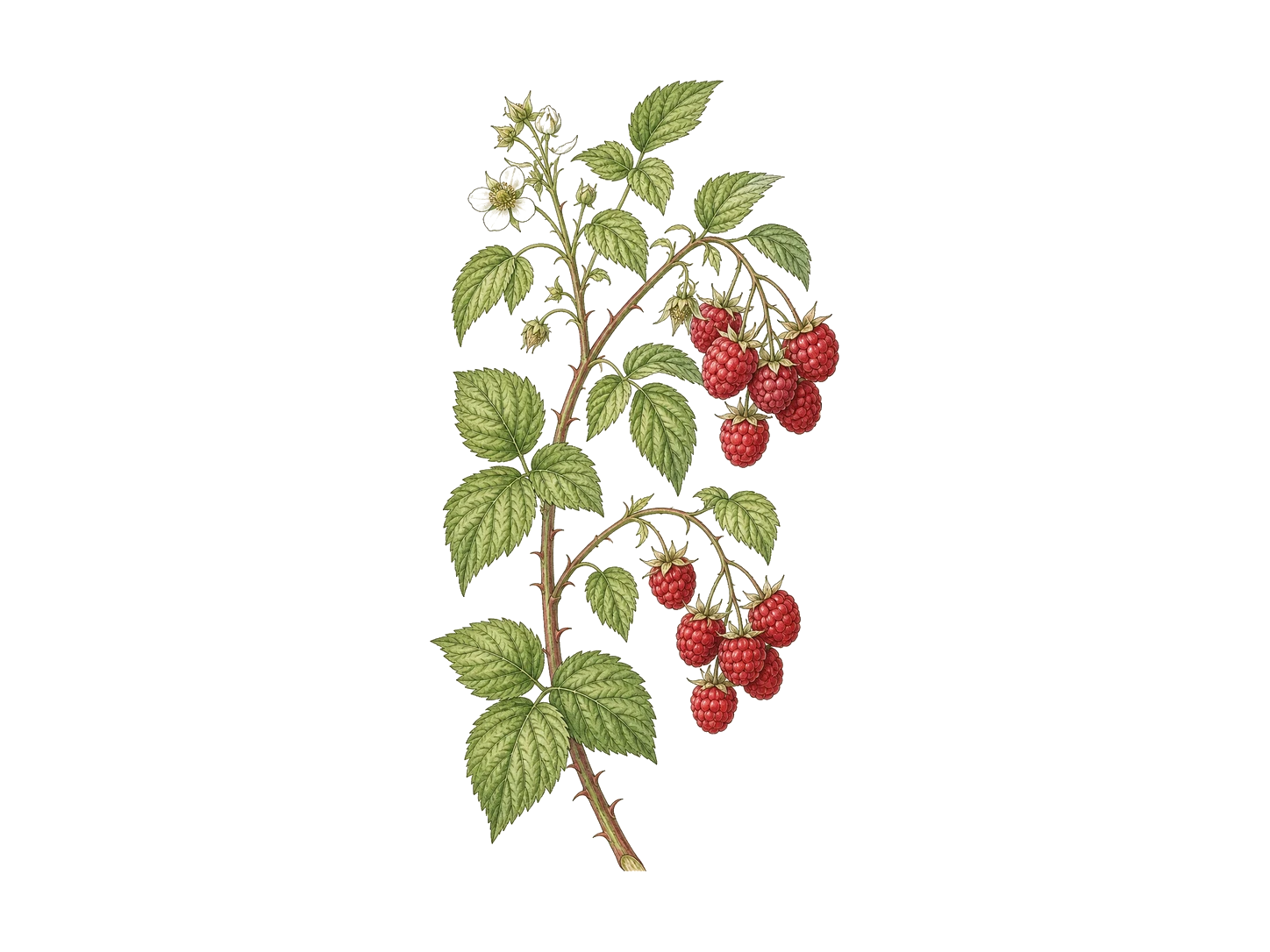
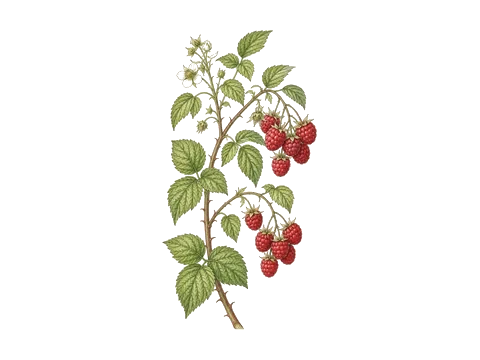
Entire healthy mature raspberry plant in a real garden bed, showing growth habit and scale.Primary identification image. 150–200 cm tall, 60–60 cm wide at maturity.

Raspberry

Rubus idaeus L.

Also called: Red raspberry

Family
Rosaceae
Season
Perennial hardy perennial (biennial canes)
Best grown in
Portland, Oregon

A permanent row of canes on posts and wires; summer-fruiting types crop on last year's canes, autumn types on this year's.

Life cycle & growth stages

  1. 1. CanePlant bare-root canes 45–60 cm apart.
  2. 2. EstablishmentCut back to 25 cm after planting.
  3. 3. New canesPrimocanes grow 1.5–2 m in the first summer.
  4. 4. FloweringSmall white flowers; bees essential.
  5. 5. HarvestSummer or autumn depending on type.
  6. 6. PruningRemove fruited canes (summer types) or all canes (autumn types).

Growth stages are ordered chronologically; timing varies with cultivar, temperature, light and care.

Planting calendar for Portland, Oregon

transplant 0–6 weeks before last frost; 365–450 days to maturity from planting. Windows are derived from the region's average frost dates (last Apr 5, first Nov 5) and are estimates until you confirm your own dates in the calendar.

RaspberryRubus idaeus
Text version of the planting timeline
PlantStart indoorsDirect sowAutumn sowTransplantTendHarvest
Raspberry———Feb 22–Apr 5 (estimate)Apr 5–Feb 22 (estimate)Feb 22–Aug 10 (estimate)
  • Transplant outdoors: Feb 22 – Apr 5
  • Tend and monitor: Apr 5 – Feb 22
  • Harvest: Feb 22 – Aug 10

Spacing & support

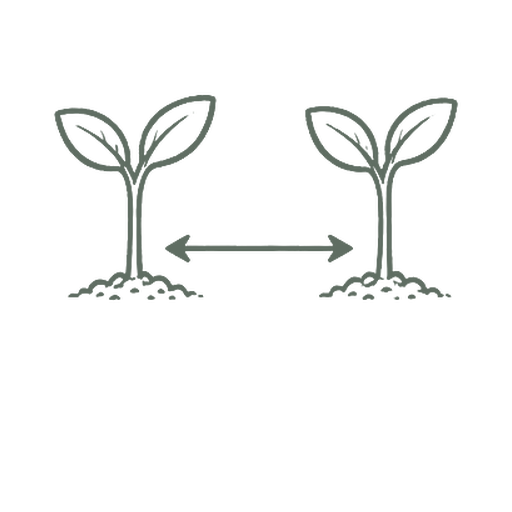
In-row 45–60 cm; rows 180–250 cm. Planner footprint: 4 cells of 30 cm.

Side-profile diagram of mature raspberry: canopy 150–200 cm tall, 60–60 cm wide, medium root zone, support and harvest-access envelope.

Soil & water

Soil
Moisture-retentive, well-drained, slightly acid loam
pH
5.5–6.5
Fertility
moderate
Water
Regular water while fruiting; mulch.
Frost
very hardy; tolerates frost

Support & training

Post-and-wire row support. Install at planting so roots are not disturbed later.

Raspberry trained on its support: post-and-wire row support.

Harvest signs

  • Fruit pulls off the core easily
  • Fully coloured and slightly soft
  • Pick every 2 days
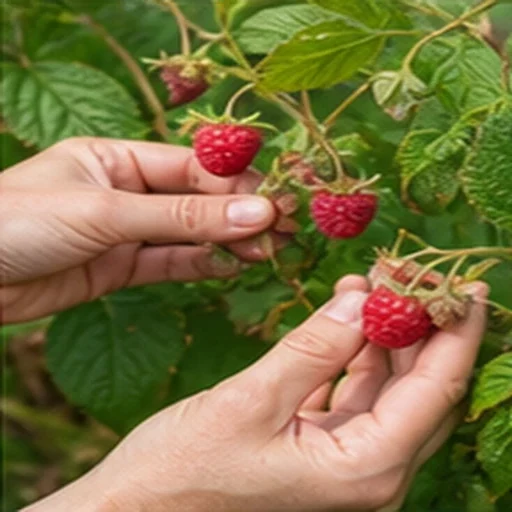
Raspberry at harvest readiness, showing the visual cues: fruit pulls off the core easily; fully coloured and slightly soft.

Common problems

Pests: raspberry beetle, spotted wing drosophila, aphids

Diseases: cane blight, grey mould, raspberry mosaic virus

Appearance alone is not a diagnosis; confirm with a regional extension guide.

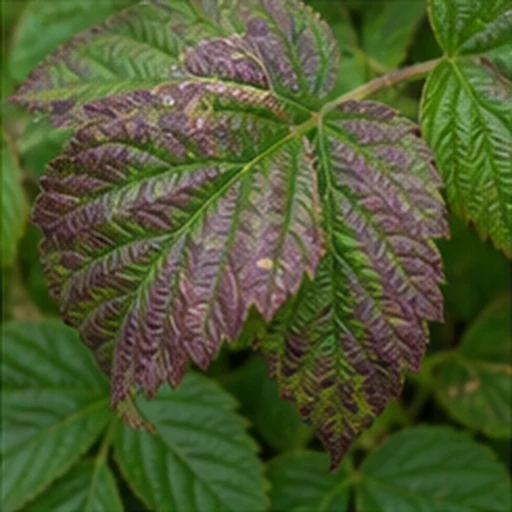
Side-by-side: healthy raspberry leaf or fruit and an example of cane blight.

Container growing

  • Minimum 40 L (40 cm deep)
  • Use quality potting mix and water more frequently
  • Compact cultivars only.
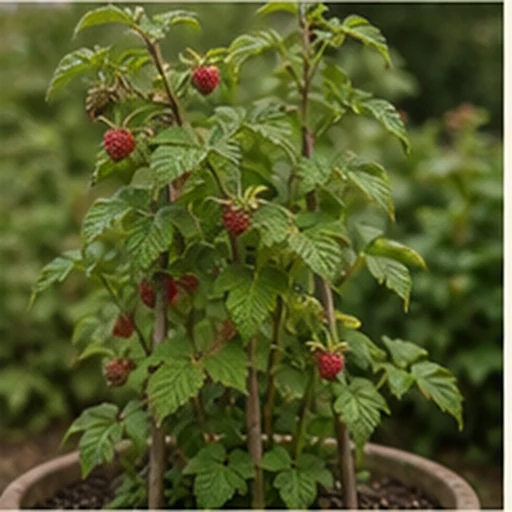
Mature raspberry in a correctly sized container (40 L or more) with drainage visible.

Companion overview

2 reviewed relationship records (evidence: low).

Supported or conditional

None reviewed

Avoid or separate

Tomato

1 popular pairing reviewed with no verified relationship.

Full companion profile

Crop rotation

Raspberry is a permanent planting; rotation does not apply, but do not replant it where a related crop failed from soil disease.

Crop rotation hub

Sources, reviewer & update

Sources

Reviewer: Garden Planner editorial team (pending independent horticultural review)

Last reviewed: August 15, 2026 · version 1

Found an error or have feedback? Let us know.

Growing raspberry

Raspberries are planted as bare-root canes in late winter or early spring in a permanent row with post-and-wire support. Summer-fruiting cultivars fruit on canes that grew the previous year and are pruned out after harvest; autumn-fruiting cultivars fruit on new canes and are cut to the ground each winter.
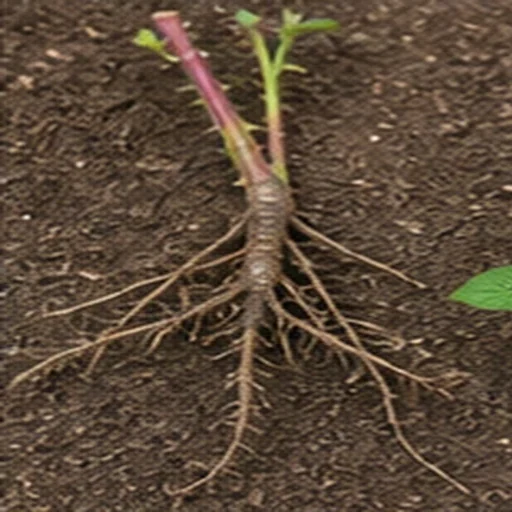
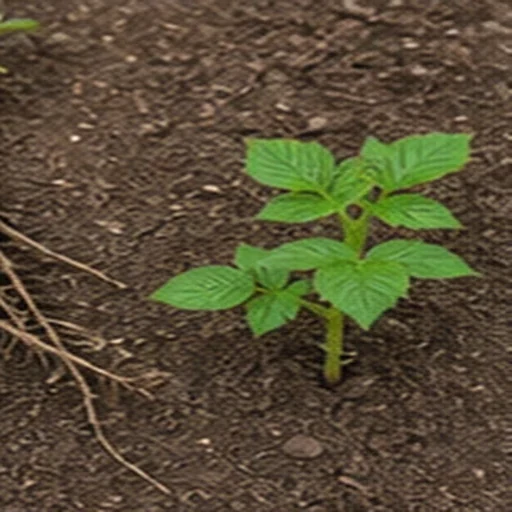
Raspberry planting material (crown, set, clove, slip or tuber) beside a ruler or coin for scale.
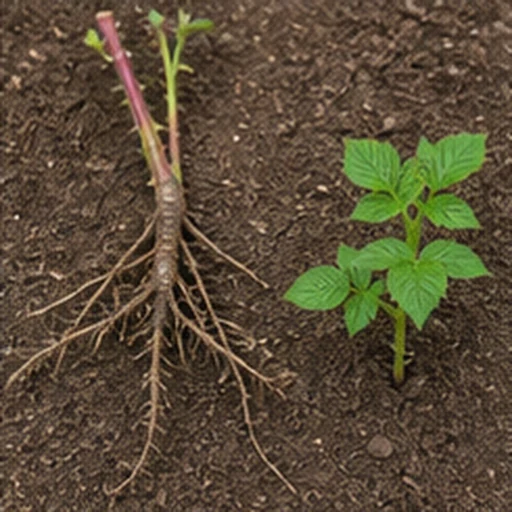
Raspberry seedling at cotyledon and first-true-leaf stage, in soil, distinguishable from common weeds.
Immature fruit of raspberry developing on the plant.

Canes reach 1.5–2 m and sucker outward; the row needs an edge. They want moisture-retentive, slightly acid soil and mulch. Raspberry beetle, spotted wing drosophila and cane diseases are the main problems. Because the row is permanent, plan it at the north edge of the garden where it will not shade annual beds.
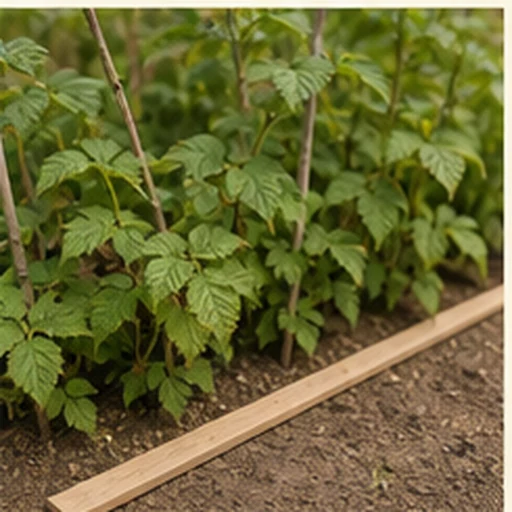
Two or more mature raspberry plants with a tape measure showing in-row spacing (45–60 cm).
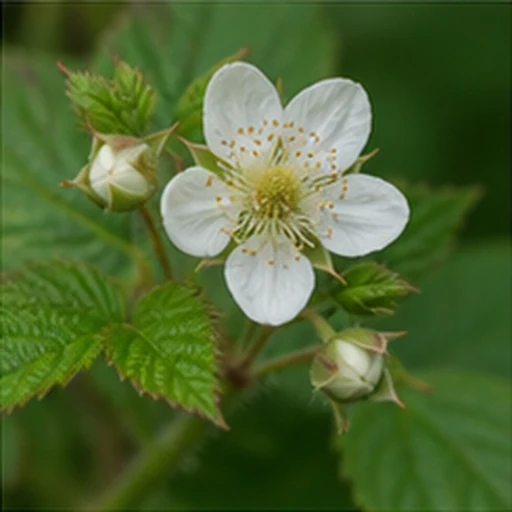
Raspberry flower detail or bolting stage.
Immature fruit of raspberry developing on the plant.

Edible parts and safety

Edible: fruit.
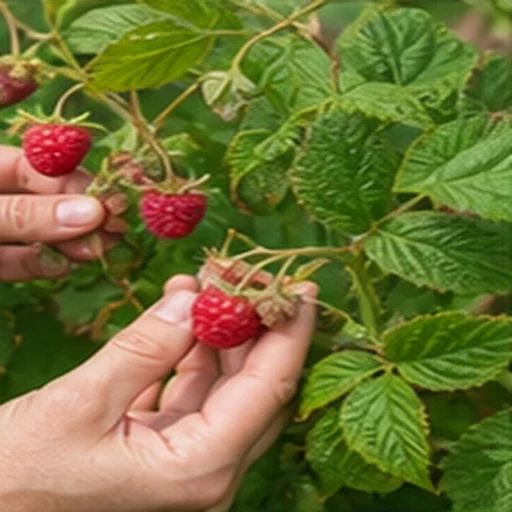
Hands or tool harvesting raspberry correctly (cut, pull, twist or pick) without damaging the plant.

Pests and diseases

Common pests: raspberry beetle, spotted wing drosophila, aphids. Common diseases: cane blight, grey mould, raspberry mosaic virus. These vary by region; a photograph is an example, not a diagnosis. See the pest and disease guides and your local extension service.
raspberry beetle on raspberry, with a wider damage-context view.

Timeline

Season timeline for raspberry: sowing, transplanting, flowering, harvest and bed occupancy aligned to frost dates.Text alternative: Transplant outdoors Feb 22–Apr 5; Tend and monitor Apr 5–Feb 22; Harvest Feb 22–Aug 10.

Related plants

See also: Rosaceae family page · crop rotation · regional calendar · guides

Our Methodology & Sources

We synthesize peer-reviewed research, university extension publications, and trusted horticulture resources. Our evidence levels help you understand how strong the science is behind the guidance.

Evidence tiers

Supported evidenceConsistent results from multiple robust studies
Traditional claimHistorical use reported, limited scientific support
Context dependentMixed or variable results across conditions
No verified relationshipNo reliable evidence identified

Primary source types

  • Peer-reviewed journal articles
  • University extension publications
  • Government & research institute reports
  • Systematic reviews & meta-analyses

Last updated

August 24, 2026

Learn more about our approach