Corn and pole beans: support, space and the nitrogen myth
Reviewed August 15, 2026 · Garden Planner editorial team (pending independent horticultural review)
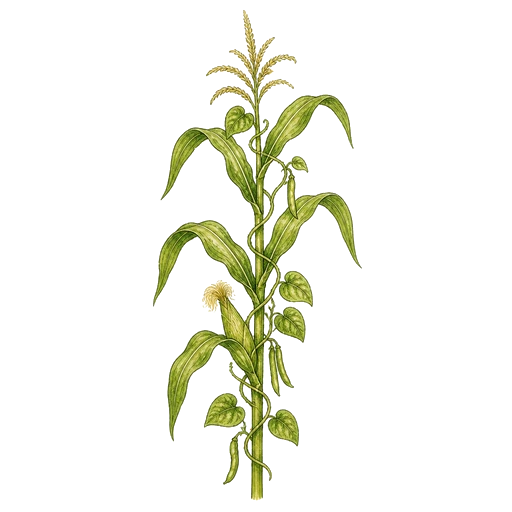
Short answer. Beans can and do climb corn, and in measured Three Sisters plots the corn–bean–squash polyculture produced more food energy and protein per area than the same crops grown separately. The support effect is real and the space use is complementary. The idea that beans feed the corn during the season is mostly a myth: reviews show only a small, variable share of fixed nitrogen reaches neighbours while the legume is alive; the benefit arrives after residues decompose.
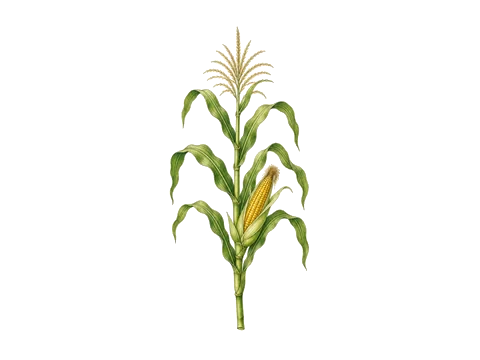
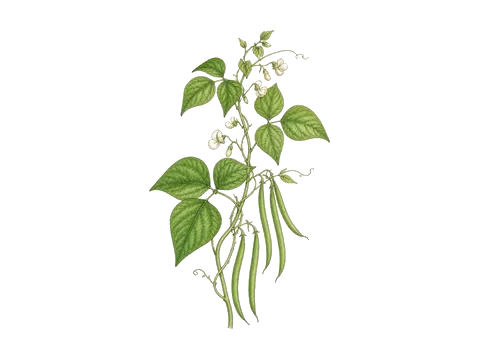
Direction of effect
Corn → beans (physical support, supported). Beans → corn (nutrient transfer, conditional: mainly to the following crop).
Mechanism and outcome
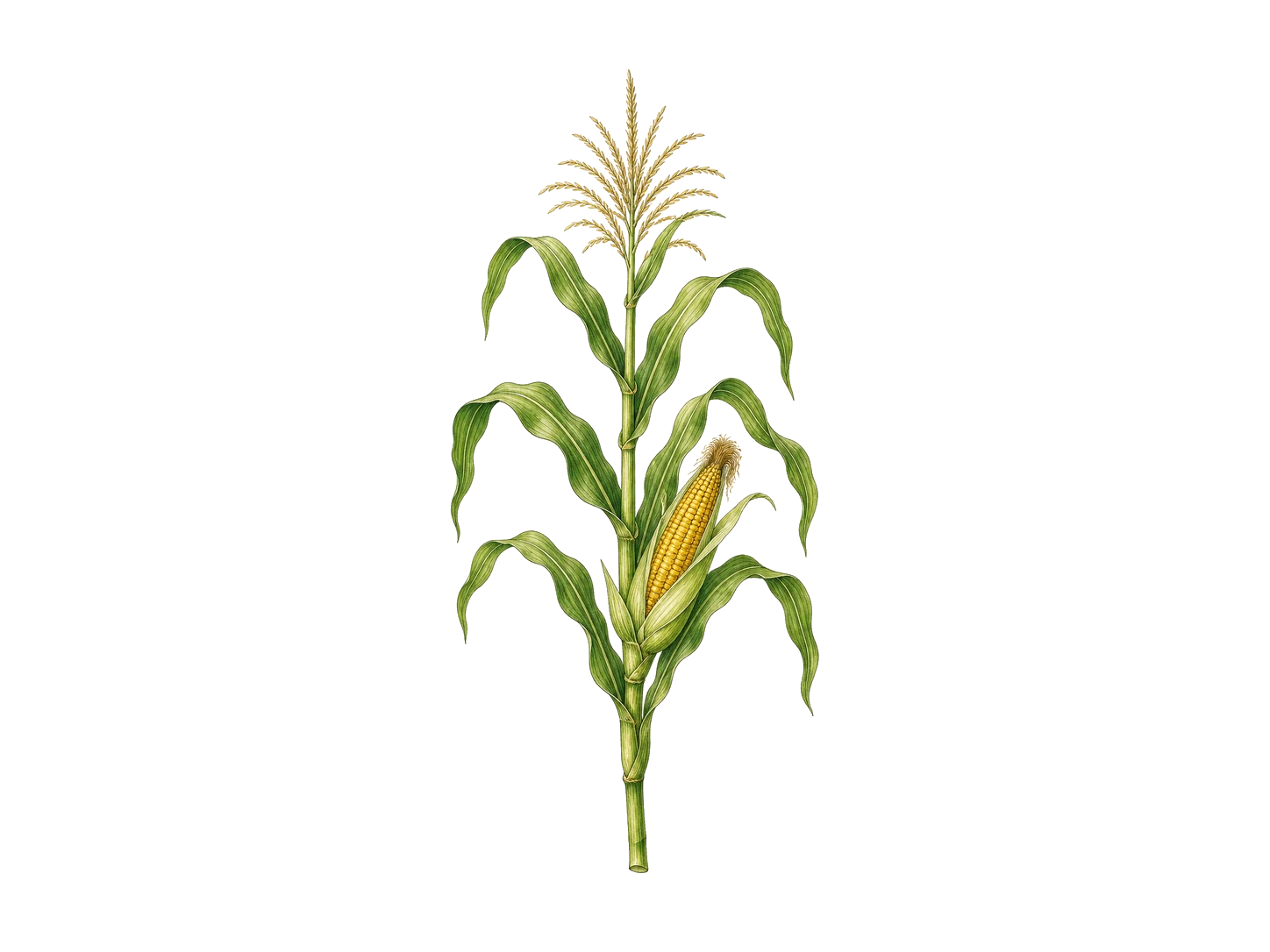
Corn stalks replace a trellis; beans climb them. Different heights and rooting depths use the space more completely. Squash at the edge covers the ground. Outcome measured: yield per area, food energy and protein per area.
What was studied
Field plots in New York State comparing the Three Sisters polyculture with sole crops (Mt. Pleasant 2016). Nitrogen transfer reviewed across managed cropping systems (Thilakarathna et al. 2016).
Evidence records
| Record | Status | Effect | Tier | Arrangement | Sources |
|---|---|---|---|---|---|
corn--pole-beans--physical_support | Supported | Physical support | Tier B | mixed | mt-pleasant-2016, umn-companion |
pole-beans--corn--nutrient_transfer | Conditional | Nutrient effect | Tier B | mixed | thilakarathna-2016, mt-pleasant-2016 |
winter-squash--corn--spatial_complement | Supported | Space and shade complement | Tier B | mixed | mt-pleasant-2016 |
Practical home-garden interpretation
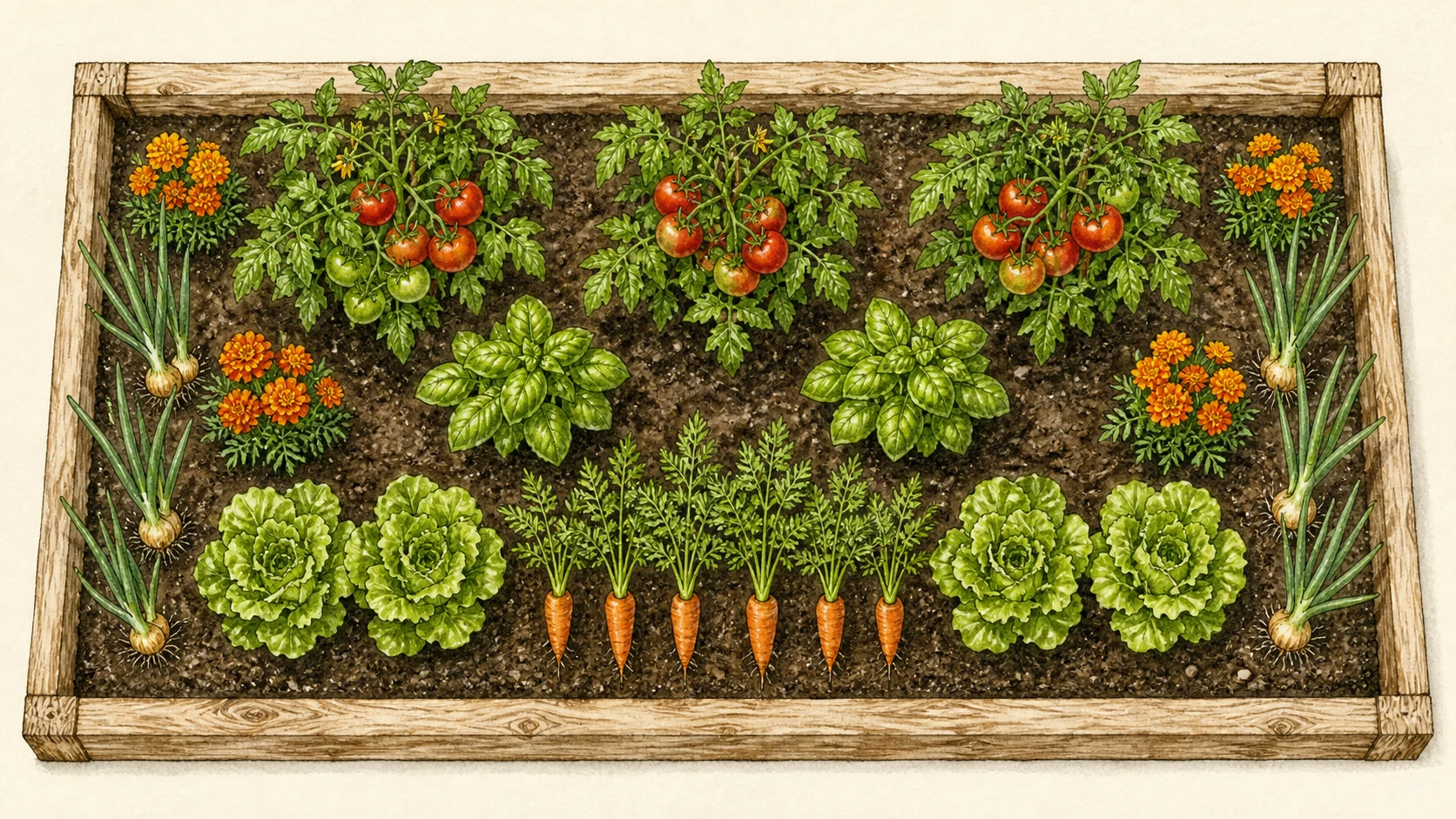
Sow corn in a block at least 1.2 m square; when it is 30 cm tall, sow two or three beans at the base of each stalk; squash at the block edge a week later. Use a sturdy corn cultivar; sweet corn is weaker than the flour corns used historically and can be pulled over by heavy bean vines. Fertilise the corn as if the beans were not there.
Exact conditions required
- Corn in a block (at least 4 × 4 plants) for wind pollination.
- Corn 30 cm tall before beans are sown.
- Two to three beans per stalk, not more.
- Squash at the edge, trained outward.
- Full sun, rich soil, steady water.
Benefits, costs and uncertainty
Benefits
- Higher food output per area in the measured plots.
- No trellis needed for the beans.
- Squash cover suppresses weeds and shades soil.
Costs
- Each crop yields less per plant than alone.
- Harvesting corn among squash vines is awkward.
- Beans sown too early overwhelm the corn.
- Not suitable for very small beds.
Uncertainty. The measured plots used traditional cultivars; sweet corn and modern beans behave somewhat differently. In-season nitrogen benefit is small.
Simultaneous pairing versus rotation
Corn (grass), beans (legume) and squash (cucurbit) are three rotation groups; the block can move as a unit, and the bean residues benefit next year's crop in that bed.
Alternative strategies
- Beans on a teepee or netting beside a corn block for easier harvest.
- Sunflowers as bean supports (traditional, untested; sunflowers shade heavily).
Use this arrangement in the planner
Adds both plants to a plan; set the role (perimeter, strip, undersown) on the crop list so the engine can match the documented arrangement.
Add corn and pole beans to a planCommunity observations (anecdotal)
Reports from gardeners are kept apart from the reviewed evidence above and never change its status. None yet for this pair. Record an observation.
Sources
- Mt. Pleasant, J. (2016). Food yields and nutrient analyses of the Three Sisters: a Haudenosaunee cropping system. Ethnobiology Letters. The corn–bean–squash polyculture produced more food energy and protein per area than the sole crops, through physical support, complementary canopies and ground cover; individual crop yields were lower than monocultures.
- Thilakarathna, M. S., McElroy, M. S., Chapagain, T., Papadopoulos, Y. A., Raizada, M. N. (2016). Belowground nitrogen transfer from legumes to non-legumes under managed herbaceous cropping systems. A review. Agronomy for Sustainable Development. Living legumes transfer only a small and variable share of fixed nitrogen to neighbours during the season; most benefit comes after residues decompose. A legume next to a heavy feeder is not a fertiliser substitute.
- University of Minnesota Extension (2023). Companion planting in home gardens. University of Minnesota Extension. Separates companion practices with research support (for example trap crops, insectary plants and physical support) from traditional pairings whose origins are hard to identify, and cautions that many popular charts are not evidence-based.
Change history: repository commits touching src/data/pairs.json and the records above. Request a correction.