Onion and carrot: the classic pairing, tested
Reviewed August 15, 2026 · Garden Planner editorial team (pending independent horticultural review)
Short answer. Only a little, and only under conditions most gardens do not meet. In UK field trials carrot fly damage fell when onions greatly outnumbered carrots (about four onion rows per carrot row) and only until the onions began to bulb; at garden-typical ratios the effect was small or absent. Whether carrots reduce onion fly has no usable evidence. Fine mesh is the reliable control.
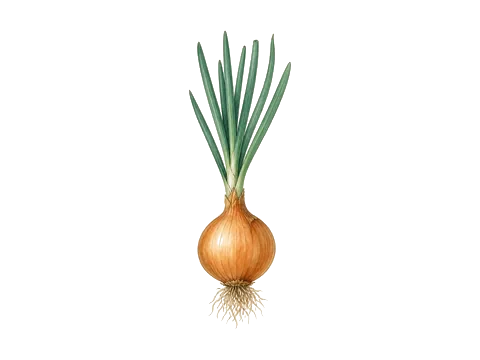
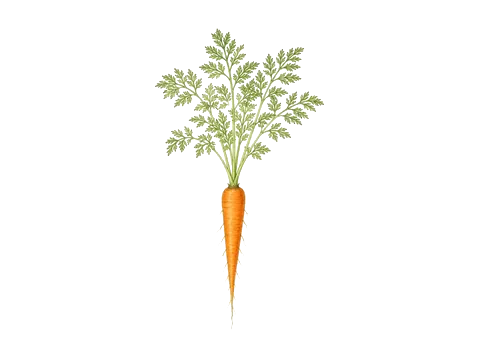
Direction of effect
Onion → carrot (carrot fly; conditional). Carrot → onion: no verified relationship.
Mechanism and outcome
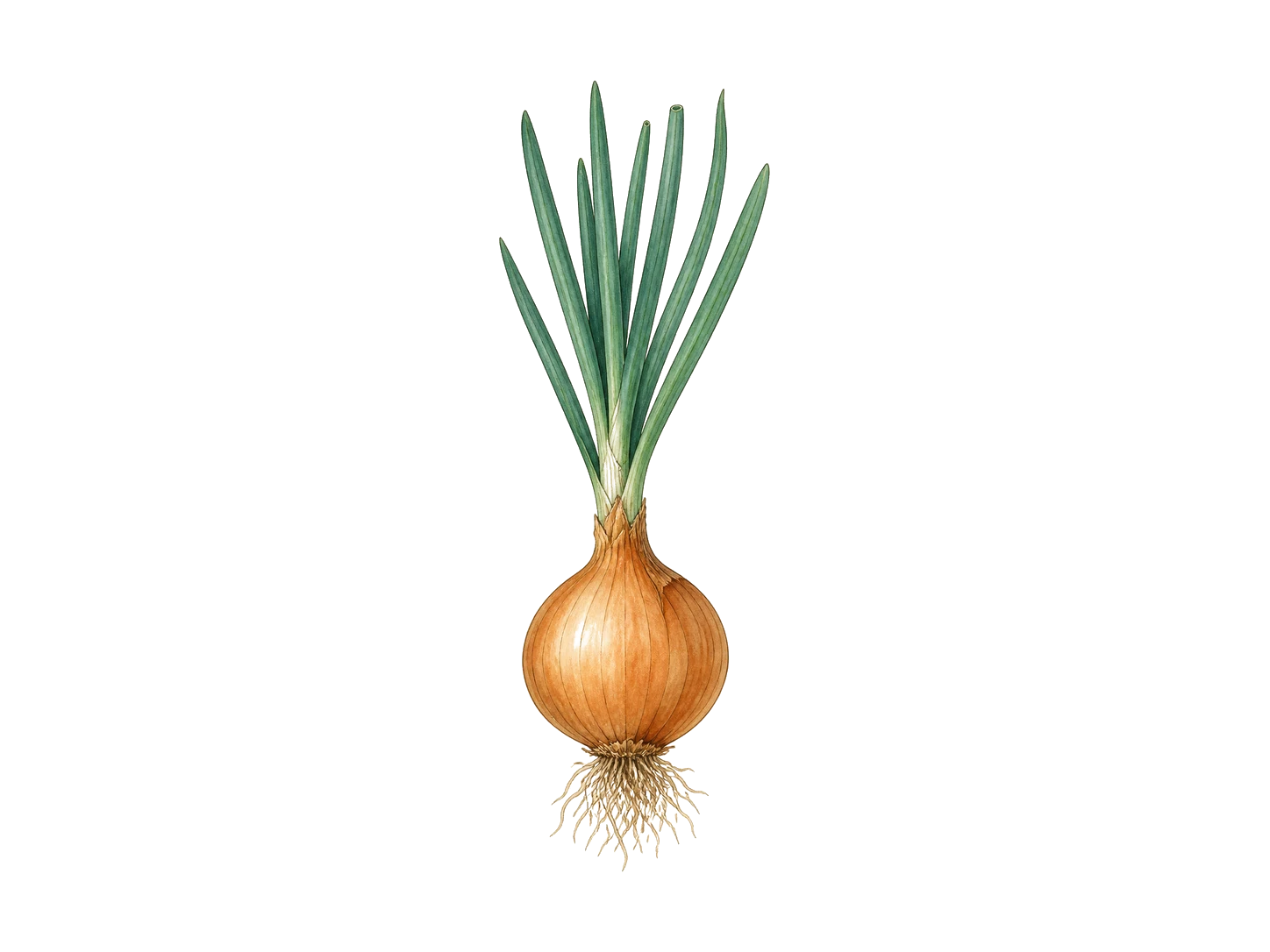
Onion foliage volatiles are thought to mask the carrot odour the fly uses to find hosts; the effect needs a high density of actively growing onion leaves. Outcome measured: carrot fly larval damage to roots.
What was studied
Field trials of carrot–onion mixtures at several ratios in the UK (Uvah & Coaker 1984); extension synthesis (UMN).
Evidence records
| Record | Status | Effect | Tier | Arrangement | Sources |
|---|---|---|---|---|---|
onion--carrot--pest_suppression | Conditional | Pest suppression | Tier B | row | uvah-coaker-1984, umn-companion |
carrot--onion--other | No verified relationship | Other | Unknown | unspecified | umn-companion |
Practical home-garden interpretation
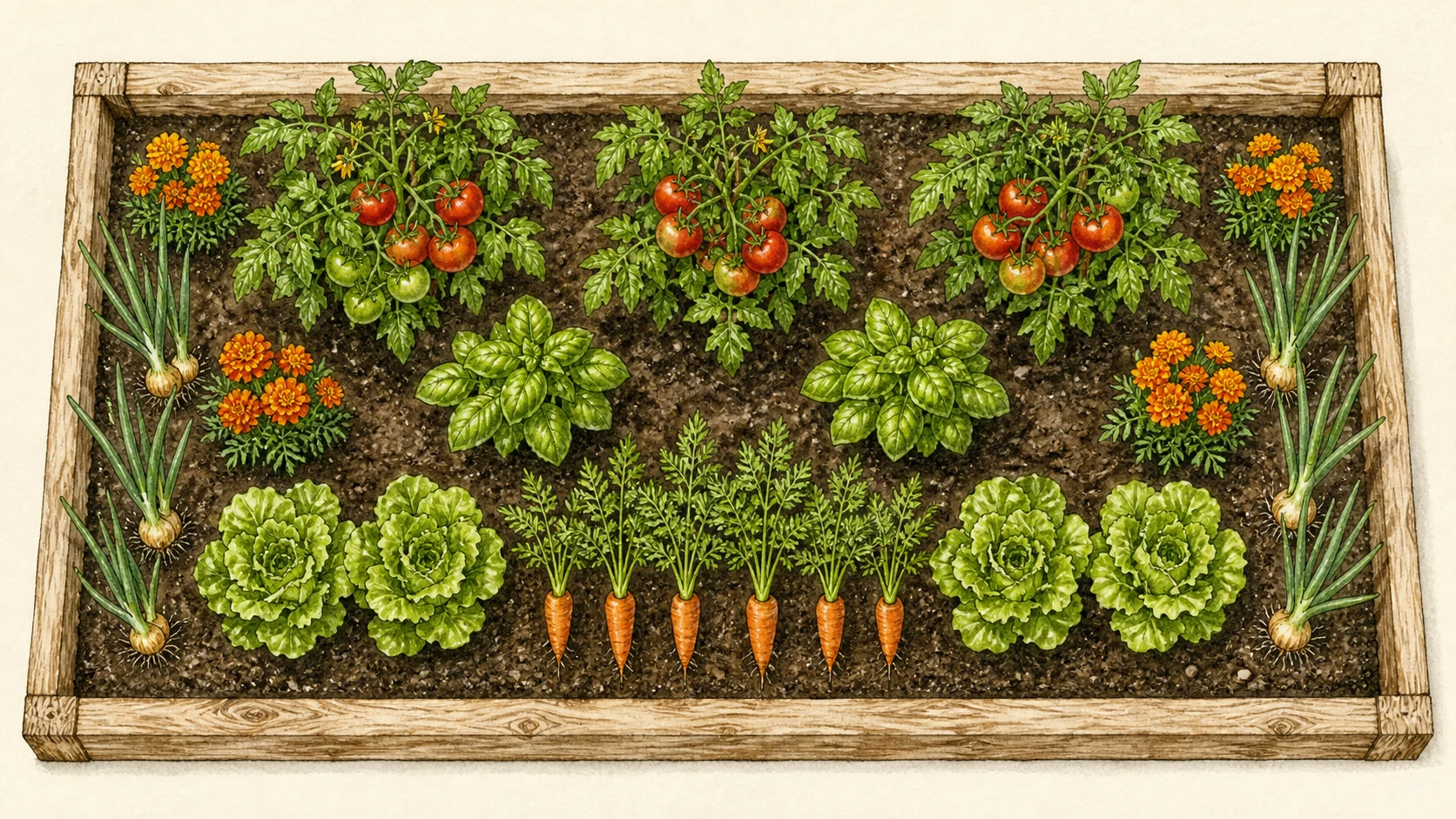
A bed with four onion rows for each carrot row is mostly an onion bed. If you grow them together anyway, treat any protection as a bonus, expect it to stop when the onions bulb (which often coincides with the second carrot fly generation), and cover the carrots with mesh or sow after the first egg-laying peak.
Exact conditions required
- About 4:1 onion to carrot rows, interleaved.
- Onions in active leaf growth during carrot fly egg-laying.
- Sow together; protection ends at bulbing.
Benefits, costs and uncertainty
Benefits
- Some reduction in carrot fly damage at very high onion ratios in the trial.
- Both are slim, cool-season crops that fit together spatially.
Costs
- Impractical ratio for a mixed bed.
- No protection after bulbing.
- Onions are poor competitors; do not let carrot tops shade them.
Uncertainty. One trial series; the odour-masking mechanism is inferred. No evidence for the reverse direction.
Simultaneous pairing versus rotation
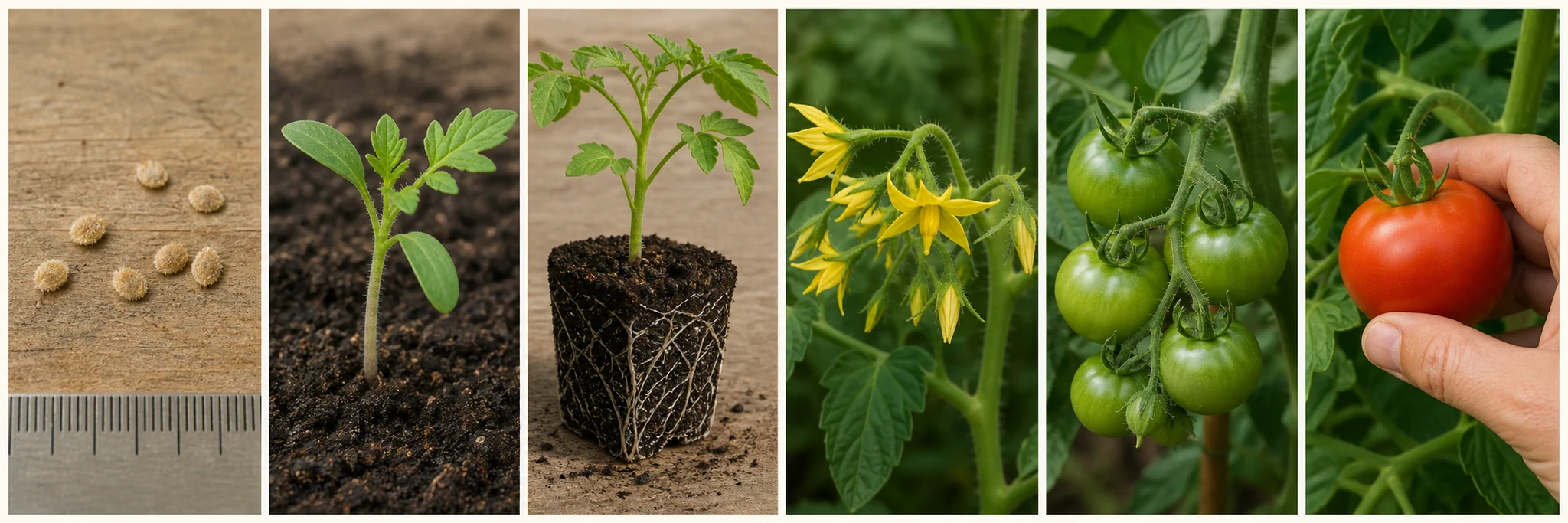
Alliums (three-year gap for white rot) and carrot family (two-year gap for carrot fly pupae and Alternaria) are separate rotation groups.
Alternative strategies
- Fine insect mesh over carrots from sowing (reliable).
- Sow carrots after late spring to miss the first egg-laying peak.
- Thin on a still evening and remove thinnings, which release attractive scent.
Use this arrangement in the planner
Adds both plants to a plan; set the role (perimeter, strip, undersown) on the crop list so the engine can match the documented arrangement.
Add onion and carrot to a planCommunity observations (anecdotal)
Reports from gardeners are kept apart from the reviewed evidence above and never change its status. None yet for this pair. Record an observation.
Sources
- Uvah, I. I. I., Coaker, T. H. (1984). Effect of mixed cropping on some insect pests of carrots and onions. Entomologia Experimentalis et Applicata. Carrot fly damage fell only when onions greatly outnumbered carrots (roughly four onion rows per carrot row) and only before the onions started bulbing; at garden-typical ratios the effect was small or absent.
- University of Minnesota Extension (2023). Companion planting in home gardens. University of Minnesota Extension. Separates companion practices with research support (for example trap crops, insectary plants and physical support) from traditional pairings whose origins are hard to identify, and cautions that many popular charts are not evidence-based.
Change history: repository commits touching src/data/pairs.json and the records above. Request a correction.